
-
 admin
admin - Posted on
- Categories:Home Remedies
- 0 comments

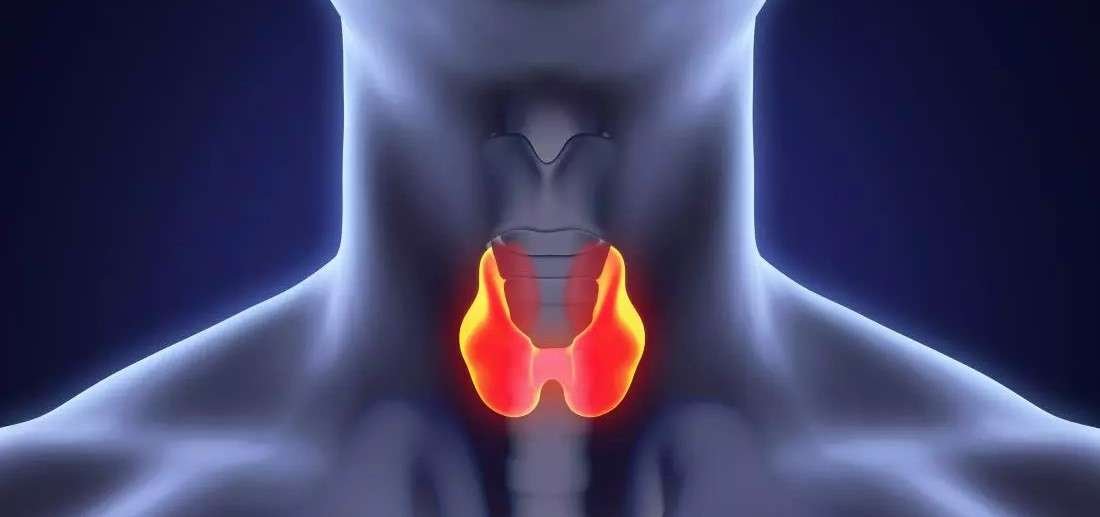
If you have an underactive Thyroid (hypothyroidism) or suspect sluggish thyroid function, small changes in diet, daily routines and carefully chosen herbal supports can reduce symptoms, improve energy and complement medical treatment. This guide explains what to eat, what to avoid, safe lifestyle habits, commonly used Ayurvedic herbs and when to see a clinician for personalised care.
The problem — why focused support matters
An underactive Thyroid slows your metabolism and often causes fatigue, weight gain, cold intolerance, constipation, dry skin, hair thinning and low mood. While levothyroxine (or other prescribed thyroid medicines) is the cornerstone of treatment, many people still feel symptom burden and want safe, practical ways to feel better day-to-day. Food, timing of medication, nutrients and routines all influence how well treatment works.
Tests to check / monitor
If you suspect thyroid issues or want to optimise treatment, ask your clinician about:
- TSH (primary screening and dose guide)
- Free T4 and Free T3 (to see hormone levels directly)
- Anti-TPO and anti-thyroglobulin antibodies (autoimmune thyroiditis screening)
- Lipid profile (thyroid affects cholesterol)
- Vitamin D, B12, iron studies (deficiencies worsen fatigue)
- Repeat testing timing: after any med change or 6–12 weeks for dose adjustments.
Diet: foods that help and foods to watch
Foods to include (supportive nutrients)
- Iodine (in moderation): iodised salt and small servings of seaweed/fish if not contraindicated. Too much iodine can worsen autoimmune thyroid disease — balance is key.
- Selenium-rich foods: Brazil nuts (1–2 small nuts/day), sunflower seeds, eggs — selenium supports thyroid hormone conversion.
- Zinc & iron sources: lean meat, beans, lentils, pumpkin seeds — important for hormone synthesis and energy.
- Vitamin-D & B-rich foods: fatty fish, fortified dairy or plant milks, eggs; check levels and supplement if low.
- Protein & fibre: include legumes, whole grains, vegetables and healthy fats to stabilise energy and bowel habits.
Foods & habits to limit or time carefully
- Goitrogenic raw crucifers: raw cabbage, broccoli, cauliflower, kale and soy contain goitrogens but cooking substantially reduces their effect; moderate cooked portions are usually fine.
- Excess soy & high-fibre immediately with meds: large soy meals or very high-fibre meals can reduce absorption of levothyroxine if taken together — separate timing.
- Calcium, iron, antacids & supplements: these can block medication absorption — take thyroid meds on an empty stomach and wait 30–60 minutes before eating or 3–4 hours before calcium/iron supplements.
- Highly processed foods & excess sugar: worsen energy, weight and metabolic health.

Daily routines & lifestyle
- Take thyroid medicine consistently: same time each morning, empty stomach, avoid immediate coffee or calcium/iron. Consistency matters more than exact clock time.
- Sleep & circadian rhythms: aim for regular sleep (7–8 hours) — poor sleep worsens fatigue and metabolic regulation.
- Gentle regular exercise: brisk walking, yoga, resistance training 3–5 times weekly improves energy, weight control and mood. Start gradually if energy is low.
- Stress management: chronic stress can affect thyroid autoimmunity — short daily practices (breathing, 10-minute walks, meditation) help.
- Bowel health: constipation is common in hypothyroidism — increase water, fibre and gentle movement; discuss medications if persistent.
Ayurvedic herbs & supportive botanicals (use with care)
Many herbs are traditionally used to support metabolic strength and vitality. Always discuss herbs with your clinician—they can interact with medications or affect lab results.
- Ashwagandha (Withania somnifera): an adaptogen often used to support energy and may help thyroid hormone levels in some contexts. Monitor labs if you start it.
- Guggul (Commiphora mukul): traditionally used for metabolism and lipid support; use under practitioner guidance.
- Brahmi (Bacopa) and Shankhapushpi: used for mental clarity and cognitive support in fatigue-related brain fog.
- Triphala: supports digestion and bowel regularity — helpful if constipation is a problem.
- Kanchanar (Bauhinia variegata) and other classical formulations: used in Ayurvedic protocols for glandular balancing; follow a qualified Ayurvedic practitioner’s plan.
Important safety note: Herbs can alter thyroid tests and interact with thyroid drugs (enhancing or reducing effect). Do not stop or change prescription thyroid medication without clinician supervision.
Practical meal example
- Morning: take thyroid medicine with a glass of water; wait 30–60 minutes before breakfast. Breakfast: warm oats or idli with a small portion of nuts/seeds and fruit.
- Lunch: whole-grain + dal / grilled fish or paneer + cooked vegetables (include a salad but not immediately with medication).
- Snack: yogurt (if tolerated) or roasted chickpeas / fruit.
- Dinner: lighter meal — vegetable khichdi or steamed vegetables + lentil soup; avoid heavy late-night meals.
- Hydration & timing: space calcium/iron supplements apart from medication; if you need supplements, take them later in the day.
When symptoms persist despite normal tests
Some patients feel fatigue or brain fog even when TSH/T4 are “in range.” Possible reasons include: suboptimal medication dose, poor absorption (interaction with food/supplements), coexisting conditions (anemia, vitamin D/B12 deficiency, sleep apnea, adrenal or mental health issues). If you have persistent symptoms, get a clinical review — it often takes a careful, multi-factorial approach to feel fully better.
Safety & monitoring checklist
- Always inform your clinician about any herbs or supplements you start.
- Keep a simple diary: medication time, meals, energy levels, bowel habit — share this at follow-up.
- Recheck thyroid labs 6–8 weeks after any medication or major supplement change.
- Pregnant planning or pregnant women must get specialised monitoring — thyroid needs change in pregnancy.
FAQ
Q: Can diet alone “fix” an underactive thyroid?
A: No — most cases require medical hormone replacement. Diet and lifestyle optimise wellbeing and medication effectiveness but are rarely a replacement for prescribed therapy.
Q: Is iodine supplementation helpful?
A: Only if you have an iodine deficiency. Excess iodine can worsen autoimmune thyroid disease—don’t supplement without testing and advice.
Q: How soon will I feel better after starting medicine?
A: Energy often improves within a few weeks, but full benefits and dose fine-tuning can take 6–12 weeks. Lab monitoring guides safe adjustments.
Conclusion & next step
Supporting a sluggish Thyroid means combining consistent medication use, smart food choices, daily routines that support digestion and sleep, and cautious, supervised use of supportive herbs. If you have symptoms, changing labs, pregnancy plans, or want to start herbs or supplements, get a professional consultation so your plan is safe and personalised.
Get a consultation with a qualified clinician to review tests, medications and a tailored diet/herb plan.
