
-
 admin
admin - Posted on
- Categories:Home Remedies
- 0 comments

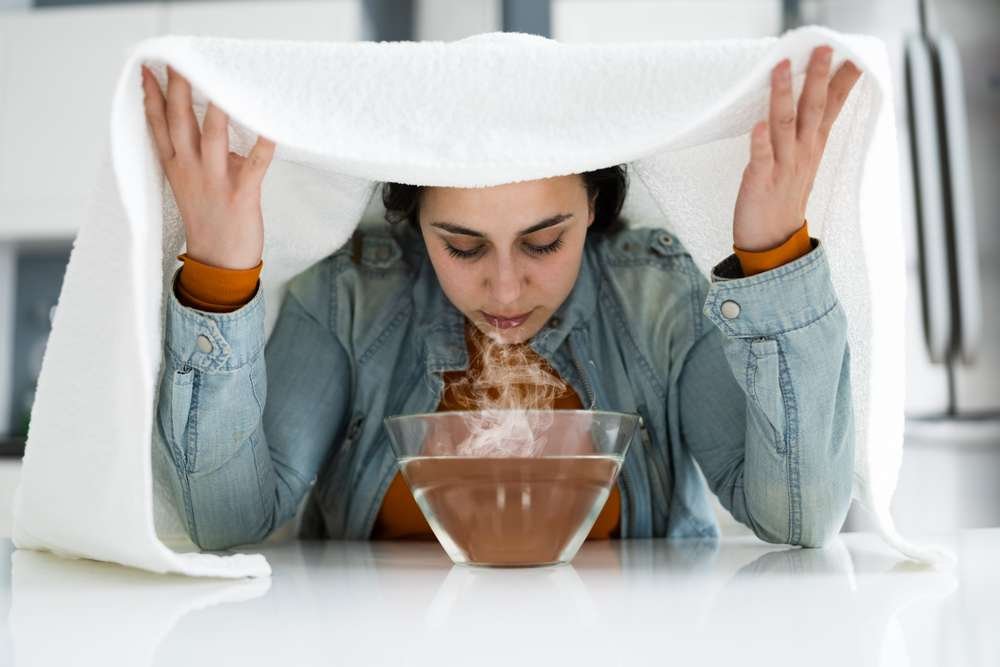
Many people try steam to ease cough and congestion, but several steam inhalation mistakes can actually worsen symptoms or cause burns. This practical guide explains the most common errors, safer alternatives, a clear how-to for when steam is appropriate, and when you should get a consultation with a clinician.
The problem — why a well-intended remedy can go wrong
Steam can loosen mucus and soothe irritated airways when used correctly. But incorrect temperature, additives, technique or using steam for the wrong type of cough can increase airway irritation, trigger bronchospasm (especially in asthma), spread infection, or cause painful scalds. Knowing what not to do keeps the remedy helpful instead of harmful.
Top 10 steam inhalation mistakes
1. Using boiling-hot steam
Mistake: Leaning too close to a pot of boiling water or using very hot steam.
Why it worsens cough: Scalds cause skin injury and reflex airway spasm, increasing coughing and discomfort.
Safer choice: Use gentler steam — sit a safe distance from the steam source and test temperature with a quick hand check before inhaling.
2. Letting children or infants inhale direct steam
Mistake: Trying pot steam or menthol steam for babies/toddlers.
Why it worsens cough: Young children are at high risk of burns and may develop airway spasms; they also cannot reliably cooperate.
Safer choice: Use a humidifier or warm mist from a distance; consult a paediatrician before any home steam.
3. Adding undiluted essential oils or strong menthol directly to boiling water
Mistake: Pouring concentrated oils into hot water.
Why it worsens cough: Volatile oils can irritate mucosa and trigger coughing or bronchospasm in sensitive people.
Safer choice: Use only a tiny, well-diluted amount if at all, and avoid for children, pregnant people, and those with asthma; better yet, skip oils and use plain steam or a safe humidifier.
4. Using steam for persistent or severe cough without checking the cause
Mistake: Relying on steam for a long time when cough is due to bacterial infection, pneumonia, or heart/lung disease.
Why it worsens cough: Delayed proper treatment allows the underlying illness to worsen.
Safer choice: If cough lasts >2 weeks, is severe, or has red flags (fever, breathlessness, blood in sputum), see a clinician promptly.
5. Over-steaming or too-frequent sessions
Mistake: Doing long or very frequent steam sessions thinking “more is better.”
Why it worsens cough: Excessive steam dries mucosa, strips protective mucus barriers and increases irritation.
Safer choice: Limit sessions to 5–10 minutes, 1–3 times daily only when needed.
6. Ignoring asthma or COPD diagnosis
Mistake: Using steam without considering obstructive lung disease.
Why it worsens cough: Steam or strong scents can trigger bronchospasm in some people with asthma or COPD.
Safer choice: Check with your clinician first; if you have asthma/COPD, prefer controlled humidification and avoid strong scents.
7. Using contaminated water or unclean devices
Mistake: Using stagnant water, dirty bowls or unclean humidifiers.
Why it worsens cough: Contaminated equipment can aerosolise bacteria, mould or mineral particles and worsen respiratory symptoms.
Safer choice: Use clean, boiled (then cooled) or distilled water and clean devices frequently per instructions.
8. Placing face directly over open kettle or pot
Mistake: Holding face right over the vessel for “maximum effect.”
Why it worsens cough: High scald risk and uneven, very hot steam exposure.
Safer choice: Maintain safe distance (at least 20–30 cm) and breathe the gentle steam; better: use a humidifier or sit in a warm shower.
9. Applying steam over open wounds, recent facial surgery or burns
Mistake: Using steam on the face after procedures or near wounds.
Why it worsens cough: Heat and moisture increase infection risk and delay healing.
Safer choice: Avoid steam on or near recent surgical sites; follow surgical aftercare instructions.
10. Expecting steam to cure all coughs (ignoring other measures)
Mistake: Relying solely on steam and ignoring hydration, rest, or medical care.
Why it worsens cough: Without fluids, sleep and attention to red flags, symptoms may deteriorate.
Safer choice: Use steam as a supportive measure alongside hydration, salt gargles, rest and clinical review when needed.

Safer steam inhalation
- Choose the right method: warm shower steam or a clean humidifier are safer than an open pot for many people.
- If using a pot: boil water, turn off the heat, move the pot to a stable surface, and wait 30–60 seconds so the steam cools slightly.
- Distance: sit about 20–30 cm away; drape a towel over your head if needed but keep some airflow so steam is gentle.
- Duration: inhale comfortably for 5–10 minutes once or twice daily. Stop if you feel dizzy or uncomfortable.
- No oils for vulnerable groups: avoid essential oils for children, pregnant people, people with asthma, and those with sensitive airways.
- Hydrate before/after: drink warm fluids to help mucus clearance.
- Clean equipment: if using a humidifier, clean and dry it regularly.
When steam is NOT recommended
- Infants and young children (use humidifier under paediatric guidance).
- Known asthma/COPD without prior clinician clearance.
- Recent facial surgery or open facial wounds.
- Severe cough with breathlessness, high fever, chest pain, or bloody sputum — seek urgent medical review.
Alternatives to steam (effective and safer)
- Cool-mist or warm-mist humidifier (kept clean).
- Warm showers (sit in the bathroom with door closed for gentle steam).
- Saline nasal sprays or saline gargles to reduce post-nasal drip.
- Warm fluids & soups to thin secretions.
- Honey (for adults & children >1 year) to soothe throat.
- Medical inhaled bronchodilators or steroids — only with clinician prescription for asthma/COPD.
When to get a consultation
If your cough is severe, lasts more than two weeks, is accompanied by high fever, difficulty breathing, chest pain, or blood in sputum — get a medical consultation promptly. Also consult a clinician before trying steam if you have asthma, heart disease, or a weakened immune system. A personalised evaluation helps rule out pneumonia, bronchitis, asthma exacerbations, reflux or other causes that need specific treatment.

(If you’d like professional, medicine-aware advice or a personalised plan, book a consultation us.)
FAQ (short)
Q — Can steam spread infection to others at home?
A — Steam itself doesn’t spread infection, but close contact and sharing spaces during cough illnesses can. Keep good ventilation and stay isolated when infectious.
Q — How often can I safely use steam?
A — For most adults: 1–3 short sessions (5–10 min) per day only while symptomatic — avoid repeated long exposures.
Q — Are menthol vapours helpful?
A — Menthol may feel soothing short-term but can irritate airways and trigger cough in sensitive people; avoid concentrated menthol or essential oils unless advised.
