
-
 admin
admin - Posted on
- Categories:Home Remedies
- 0 comments

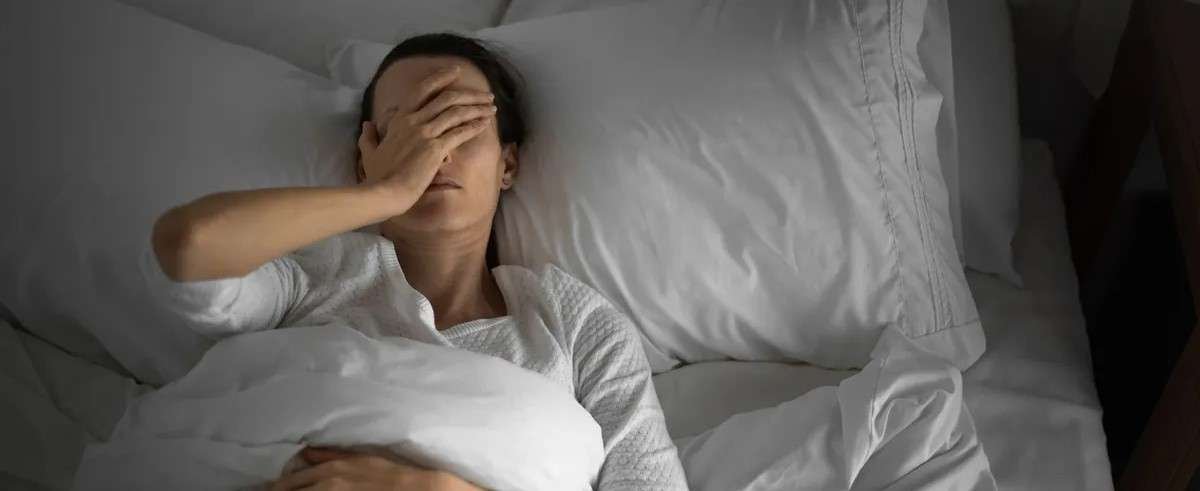
If you’re struggling with insomnia this winter, you’re not alone — shorter days, cold mornings and work pressure make good sleep harder. This guide gives fast, practical, evidence-informed sleep hygiene steps busy professionals can use to fall asleep faster, sleep deeper and wake up more refreshed — without pills.
The problem: why winter and work make insomnia worse
Winter reduces daylight, which disrupts your circadian rhythm. Add late-night screens, unpredictable meetings, caffeine and stress, and your sleep drive gets confused. The result: trouble falling asleep, waking at 3 a.m., shallow sleep or feeling unrefreshed. The good news: small, consistent habits move the needle.
Core principles of sleep hygiene for busy lives
- Consistency beats perfection: Go to bed and wake up within a 30–60 minute window every day (yes, weekends too).
- Control light exposure: Morning bright-light exposure anchors your clock; dim evenings signal the body to wind down.
- Manage pressure: Short, practical pre-sleep rituals beat rumination — and they take less time than doomscrolling.
- Optimize environment: A cool, dark, quiet bedroom is non-negotiable for deep sleep.
Use these principles to design a routine you can actually keep.
Morning & daytime habits that prevent insomnia
- Get morning light ASAP: Open curtains or step outside for 10–20 minutes of daylight within 30–60 minutes of waking to set your circadian rhythm.
- Move daily: 20–40 minutes of moderate activity (walk, yoga, quick gym session) improves sleep pressure — schedule it like any meeting.
- Time caffeine wisely: Avoid caffeine 6–8 hours before planned bedtime; if you work late, switch to decaf after mid-afternoon.
- Strategic naps: Keep naps under 20 minutes and before 3 PM to avoid interfering with night sleep.

Evening routine to beat winter insomnia
- Wind-down window (30–60 minutes): Dim lights, switch to low-stimulation activities (reading, warm shower, light stretching, journaling).
- Digital sunset: Stop work and screens at least 60 minutes before bed. If you must check messages, use night mode plus a strict time limit.
- Warm ritual: A 10-minute warm shower or chamomile/ginger tea (decaf) signals relaxation.
- Write a 3-item “tomorrow” list: Offloads tasks and reduces bedtime racing thoughts.
Bedroom setup — small changes, big payoff
- Cool temperature: Keep bedroom around 18–20°C (64–68°F) for optimal sleep.
- Total darkness: Use blackout curtains or a sleep mask; even small light leaks affect sleep quality.
- White noise or silence: A simple fan or white-noise app can mask sudden sounds.
- Comfortable bedding: Replace lumpy pillows and worn-out mattresses — comfort matters more than you think.
- Reserve bed for sleep & sex only: Avoid working, eating, or intense conversations in bed to strengthen the mental cue that bed = sleep.
Food, drink and supplements (practical, cautious)
- Evening meals: Eat a light, balanced dinner 2–3 hours before bed. Heavy spicy meals close to bedtime can cause wakefulness.
- Sleep-promoting snacks (if needed): Small portion of complex carbs + protein (e.g., wholegrain toast with peanut butter) can help.
- Alcohol is a trap: It may knock you out but fragments sleep and causes early awakenings.
- Melatonin & supplements: Short-term low-dose melatonin can help with circadian shifts; herbal aids (chamomile, valerian) may help some people. Consult a clinician before regular use or if you’re on other medications.
Stress and mental tools for busy professionals
- Micro-meditations: 5 minutes of mindfulness or box-breathing before bed reduces pre-sleep arousal.
- Cognitive reframing: If you lie awake worrying about sleep, get up, do a quiet calming task for 10–15 minutes, then return to bed — don’t force wakefulness.
- Boundary setting: Schedule a strict “work shutdown” time and protect it like an important appointment.
Quick fixes and when they help
- Bright morning light fixes delayed sleep phase (late-night sleepers).
- Short-term melatonin supports circadian realignment (shift work or travel).
- Sleep restriction therapy (under clinician guidance) can rebalance sleep drive for chronic insomnia.
These are tools — not replacements for consistent hygiene.
When to get a consultation
Seek professional help if:
- Insomnia lasts more than 3 weeks despite good sleep habits.
- You snore loudly, gasp, or feel very sleepy during daytime (possible sleep apnea).
- You have mood changes, persistent anxiety, or suspect medication interference.
A sleep specialist or clinician can assess for medical causes, recommend cognitive behavioral therapy for insomnia (CBT-I), adjust meds, or run a sleep study when needed. Consider booking a consultation for personalised assessment and a stepwise plan.
7-day starter plan for busy pros
Day 1: Fix wake time and get 10 minutes of morning light.
Day 2: Implement digital sunset — no screens 60 minutes before bed.
Day 3: Add a 20-minute walk midday.
Day 4: Create 30-minute wind-down ritual (warm shower + journal).
Day 5: Optimize bedroom darkness and temperature.
Day 6: Try a 5-minute bedtime breathing exercise.
Day 7: Review progress — adjust one habit and repeat.
Consistency is more powerful than perfection.
Conclusion
Winter insomnia is solvable with realistic sleep-hygiene changes tailored to a busy schedule: morning light, consistent wake time, a short evening ritual, bedroom upgrades and smart caffeine/meal timing. If lifestyle changes don’t help or you have signs of sleep disorders, get a professional consultation to create a personalised plan.
If you’d like tailored help, consider booking a consultation with a qualified clinician for personalised assessment and treatment.
