
-
 admin
admin - Posted on
- Categories:Home Remedies
- 0 comments

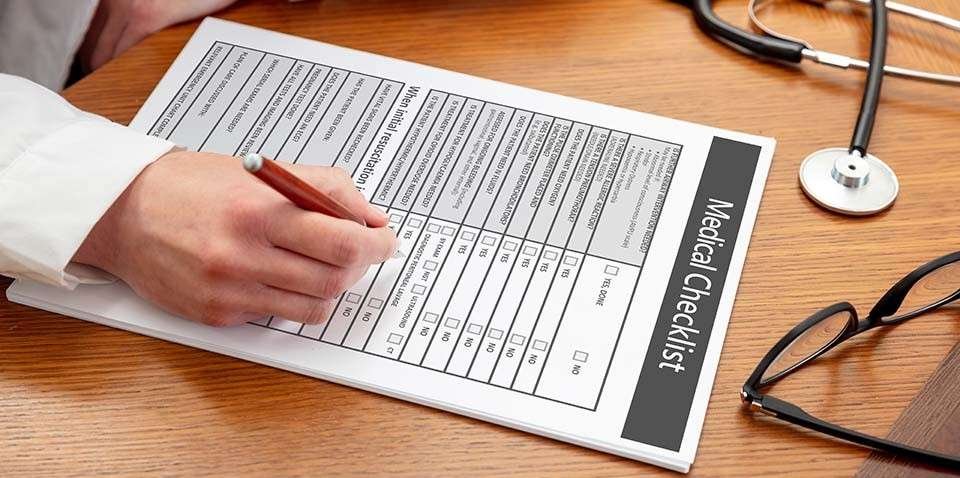
Use these health checklists to plan preventive testing for 2026. This practical guide gives a baseline set of tests everyone should consider, age- and risk-tailored screening recommendations, vaccination reminders, and how to decide when to get a professional consultation.
Why a yearly checklist matters
Preventive testing finds problems early, gives you a baseline to compare future results against, and helps your doctor tailor care (medication, lifestyle advice or specialist referral). Tests should be chosen based on age, sex, personal and family history, and risk factors — one size doesn’t fit all. (See screening highlights below.)
Baseline tests (good for most adults — yearly or every 1–3 years)
Start most yearly plans with simple, inexpensive tests that catch common problems early:
- Blood pressure check (every visit or at least annually).
- Complete blood count (CBC) — screens for anemia, infection, platelets.
- Lipid profile (cholesterol, LDL, HDL, triglycerides) — assesses heart disease risk.
- Blood glucose / HbA1c — screens for prediabetes and diabetes (see age/risk note below).
- Kidney function (creatinine, eGFR) and urine test.
- Liver function tests (LFTs).
- Thyroid profile (TSH ± free T4) if symptoms or risk factors exist.
- Vitamin D and B12 if you have deficiency risk (limited sun exposure, dietary restriction, fatigue).
- Basic metabolic panel / electrolytes if clinically indicated.
Hospitals and preventive care programs commonly include these tests in a basic annual package to create a medical baseline for the year.

Age- and risk-based checklist (practical 2026 plan)
20s — build your baseline
- Routine baseline blood tests (CBC, lipids, TSH if symptomatic).
- HPV vaccination if not completed (recommendation: routine at 11–12; catch-up possible through 26; discuss 27–45 individually).
- Sexual-health screening as needed (STI tests).
- Dental and eye checks (every 1–2 years).
30s — start targeted screening & prevention
- Repeat baseline tests every 1–3 years depending on results and risk.
- Diabetes screening for adults with overweight/obesity starting at age 35 or earlier if risk factors apply.
- For women: discuss cervical screening schedule and HPV status with your clinician.
40s — focus on cardiometabolic health & cancers
- Annual or biennial lipid profile and glucose checks; address high blood pressure and lifestyle.
- Colorectal cancer screening begins at age 45 for average-risk adults — choice of FIT stool tests, sigmoidoscopy or colonoscopy depending on availability and preference. Screening intervals vary by test and findings.
- Skin checks if you have suspicious moles or skin cancer risk.
50s — expand cancer screening & bone health
- Continue colorectal screening as above.
- Breast screening (mammography) discussion usually starts around age 40–50 depending on national guidance and risk; follow local program recommendations.
- Bone health assessment (DEXA) if risk factors for osteoporosis (postmenopausal women, fracture history, prolonged steroid use).
- Discuss prostate screening (PSA) with men aged ~55–69 as an individualized decision.
60+ — keep up chronic-disease monitoring & fall prevention
- Continue chronic-disease monitoring (BP, diabetes, lipids, kidney/liver tests).
- Lung cancer screening (annual low-dose CT) for people 50–80 with a significant smoking history (e.g., ≥20 pack-years and current or quit within 15 years) — discuss eligibility with your clinician.
- Vaccinations (influenza annually, pneumococcal and shingles as recommended), fall-risk assessment and bone density testing as indicated.
Important screening highlights & evidence-based notes
- Colorectal (bowel) screening: recommended for average-risk adults starting around age 45 (stool-based or colonoscopy options). Talk to your clinician about the method and frequency that suits you.
- Diabetes screening: many guidelines recommend screening adults aged 35–70 who have overweight or obesity, and earlier in people from high-risk ethnic groups — discuss your BMI and family history with your clinician.
- Lung cancer screening: for eligible current or former heavy smokers, annual low-dose CT can detect early cancers; eligibility rules have broadened in recent guideline updates — discuss smoking history with your provider.
- Cervical cancer prevention: HPV vaccination (ideally in adolescence) plus regular screening (HPV test and/or Pap test per local guidance) remains a cornerstone of prevention. Self-collection options are increasingly supported in screening programs.
(These are summary highlights — individual risk, family history and local program rules change who should be screened and when.)
Vaccinations to check this year
- Annual influenza vaccine (seasonal).
- COVID-19 booster if eligible per current guidance or risk factors.
- HPV vaccine for catch-up in eligible young adults.
- Tetanus booster every 10 years (or as recommended after injury).
- Pneumococcal and shingles vaccines for older adults or those with certain conditions — check age and risk criteria with your clinician.
Practical tips — how to prepare and prioritise
- Bring a list of medications, family history, and previous test results to your visit.
- Prioritise tests based on age and risk if you’re on a budget — start with BP, lipid, glucose, CBC, basic kidney & liver tests, and a urine test.
- Ask your clinician which screenings are most important for you this year and which can wait.
- Use screening invitations from public programs (cervical, breast, bowel) promptly — organised programs save lives.
When to get a consultation (and what to expect)
Book a consultation if you: have significant family history (early cancer, heart disease), chronic disease (diabetes, heart or lung disease), new unexplained symptoms (weight loss, bleeding, chronic cough), or you need help choosing which tests to prioritise. A clinician can create a personalised health checklist, order appropriate tests, interpret results, and arrange follow-up or referrals.
If you’d like personalised guidance for your 2026 health checklist, consider scheduling a consultation with a qualified practitioner who can tailor tests and timing to your needs.
Sample 2026 yearly checklist (quick view)
- Annual: BP check, CBC, lipid profile, fasting glucose/HbA1c (if risk), LFT, KFT, urine analysis, dental & eye check (as needed).
- Age 25–49: HPV vaccine or check status, cervical screening as advised.
- Age 45+: colorectal screening begins (FIT or colonoscopy).
- Age 50+ with smoking history: discuss annual low-dose chest CT for lung cancer.
- Women 40–74: discuss mammography per local guidelines.
- 65+: bone density assessment and age-appropriate vaccinations.
Final notes & realistic expectations
Screening reduces risk by finding disease early, but tests are not perfect and can lead to false positives or follow-up procedures. Discuss benefits and harms with your clinician before starting any screening program. Your provider will help balance what’s necessary now vs. later.
Want a personalised 2026 health checklist? Book a consultation to create a tailored screening schedule that matches your age, family history and health goals.
