
-
 admin
admin - Posted on
- Categories:Home Remedies
- 0 comments

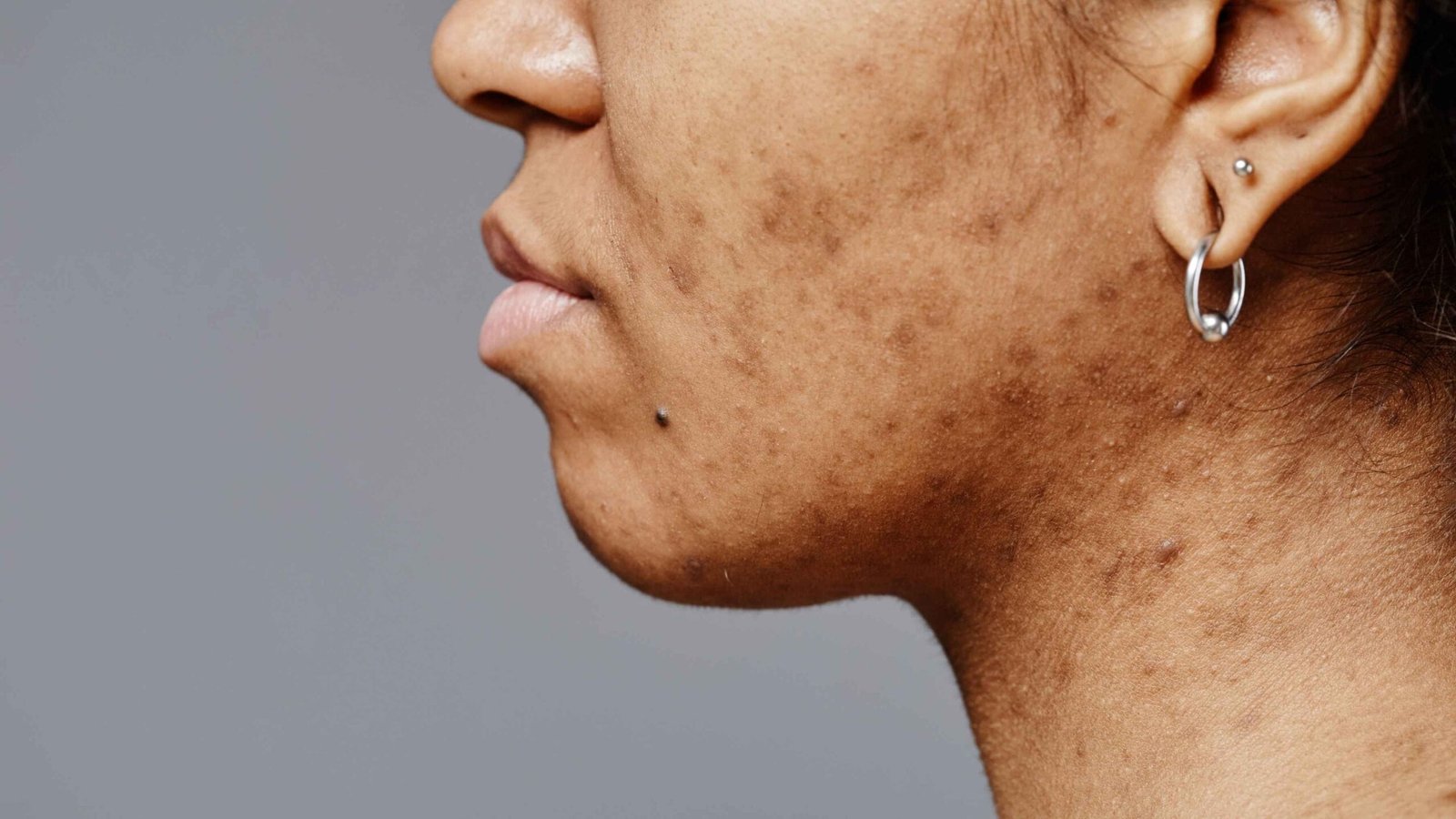
If you’re troubled by Dark Spots, gentle natural and Ayurvedic steps can help reduce pigmentation, even skin tone, and prevent new spots from forming. This Yoast-friendly guide explains the problem, common causes, safe home remedies, an easy weekly routine, diet and lifestyle tips, safety notes, and when to get personalised care. For a tailored plan that fits your skin type and medicines, get a consultation from Vedic Upchar: https://vedicupchar.com/doctor-consultation
The problem
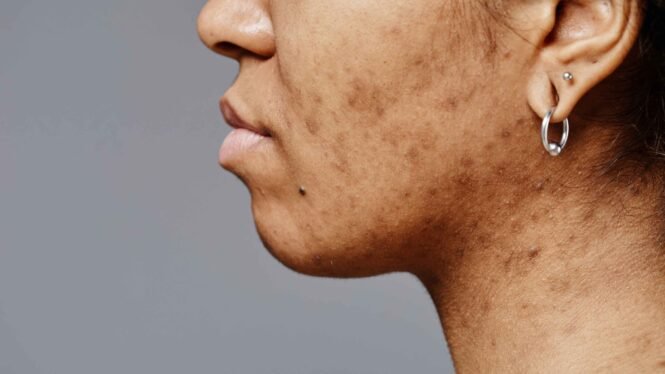
Dark Spots (hyperpigmentation) appear when certain skin areas produce excess melanin. Causes include sun damage, post-inflammatory hyperpigmentation (after acne or injury), hormonal melasma, ageing, and some medications. Treating pigmentation with natural methods takes time — usually weeks to months — and works best when combined with sun protection and good skin hygiene. Quick fixes are rare; consistent care and professional evaluation for stubborn spots are important.
Common causes of Dark Spots
- Sun exposure — the most common trigger.
- Acne or inflammation — leads to post-inflammatory pigmentation.
- Hormones — melasma during pregnancy or with hormone drugs.
- Ageing — “sun spots” or lentigines.
- Medications or chemicals — some can increase pigmentation.
Knowing the cause helps choose the right remedy and avoid triggers.
Natural, safe remedies you can try at home
Below are gentle remedies with practical instructions. Patch-test each on your inner forearm for 24 hours before applying to the face.
1. Daily sunscreen (non-negotiable)
Use broad-spectrum SPF 30+ every morning and reapply every 2–3 hours when outdoors. Sun protection prevents darkening and helps all remedies work better.
2. Aloe vera gel — soothing and melanin-modulating
Apply pure aloe vera gel to spots twice daily. Aloe soothes inflammation and supports gradual fading over weeks.
3. Turmeric (haldi) paste — brightening and anti-inflammatory
Mix ¼ tsp turmeric with 1 tsp honey or yogurt to form a paste. Apply for 10–12 minutes, then rinse. Use 1–2 times weekly. Avoid heavy use if your skin is very sensitive (turmeric can stain light skin temporarily).
4. Licorice (mulethi) extract — gentle depigmenting herb
Licorice extract or powder mixed into a mask can help reduce melanin production. Use products containing licorice or consult a practitioner for a topical preparation.
5. Papaya or pineapple (papain / bromelain) — gentle enzymatic exfoliation
Mash ripe papaya into a paste and apply for 10 minutes once weekly. Enzymes remove dead skin cells and can fade superficial spots. Don’t overuse — limit to once weekly.
6. Rosehip or almond oil — nourish and repair at night
Apply a few drops of rosehip oil or cold-pressed almond oil to spots at night. These oils contain vitamins and fatty acids that support skin renewal.
7. Green tea compress — antioxidant support
Steep green tea, cool it, and use as a compress 10 minutes daily. Antioxidants protect skin from free-radical damage that worsens pigmentation.
8. Potato or cucumber slices — mild lightening for small spots
Apply thin slices of raw potato or cucumber to small dark spots for 10–15 minutes. These are mild, cooling options for spot care.
Weekly home routine
- Daily (morning): gentle cleanser → antioxidant serum (vitamin C if tolerated) → broad-spectrum sunscreen.
- Daily (night): gentle cleanser → rosehip/almond oil or light night cream.
- 2× weekly: turmeric or papaya mask (choose one).
- 1× weekly: gentle exfoliation with oats or rice flour paste (do not over-exfoliate).
Consistency for 6–12 weeks is needed to see clear changes.
Diet and lifestyle for clearer skin
- Eat antioxidant-rich foods: berries, amla, leafy greens, nuts.
- Include vitamin C (citrus, amla) and zinc (seeds, legumes).
- Stay hydrated and prioritise sleep.
- Reduce inflammatory foods: excess sugar, fried foods and alcohol.
- Manage stress — cortisol can worsen pigmentation patterns.
What to avoid (important)
- Avoid using lemon juice or raw acids on skin undiluted — they can irritate and cause rebound darkening.
- Don’t pick or squeeze acne — this leads to post-inflammatory dark spots.
- Avoid excessive scrubbing or harsh peels at home.
- Be cautious with DIY chemical mixes — stronger treatments need professional supervision.
When natural care may not be enough
If spots are deep, long-standing, expanding, or if you have melasma or hormonal pigmentation, professional treatments (chemical peels, laser, prescription topicals like azelaic acid or hydroquinone under supervision) may be needed. Also consult if pigmentation began suddenly or is associated with medicines. For integrated, safe options, get a consultation from Vedic Upchar: https://vedicupchar.com/doctor-consultation
Safety & patch-test reminder
Always patch-test new ingredients. Stop any remedy that causes redness, burning, or increased pigmentation. Pregnant or breastfeeding women should consult before starting herbal or topical treatments for pigmentation.
Quick tips to speed results safely
- Use sunscreen daily — most critical step.
- Combine sun protection with gentle remedies rather than aggressive DIY peels.
- Track spots with weekly photos to see subtle improvement.
- Be patient — fading is gradual and may take 8–12 weeks or longer.
Conclusion
Dark Spots respond best to consistent sun protection, gentle natural care, diet and patience. For a personalised strategy — including safe herbal formulations, in-clinic treatments if needed, or medicine checks — get a consultation from Vedic Upchar: https://vedicupchar.com/doctor-consultation
