
-
 admin
admin - Posted on
- Categories:Home Remedies
- 0 comments

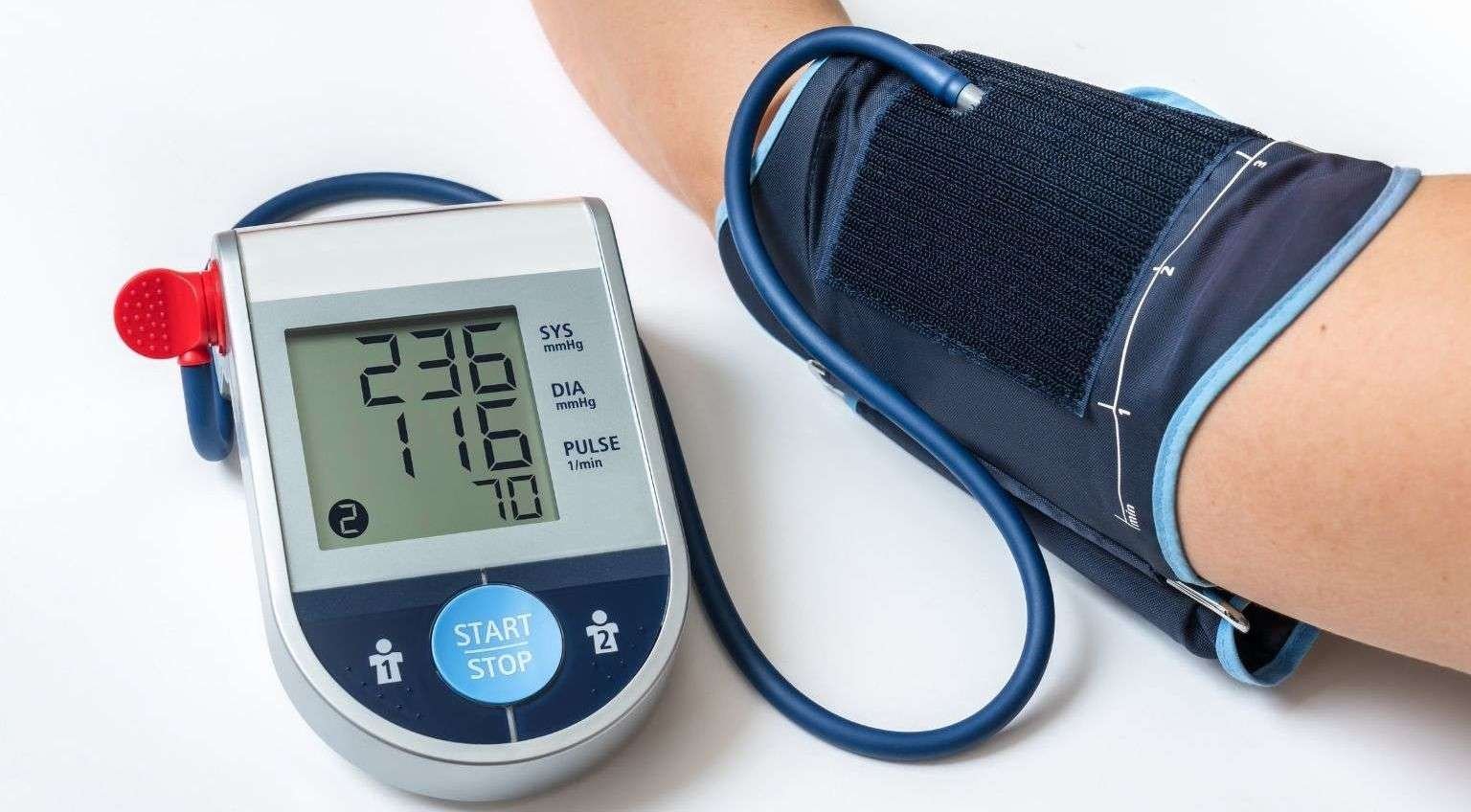
If you’re worried about High Blood Pressure, sensible lifestyle changes and safe natural supports can help — alongside medical care when needed. This Yoast-friendly, Ayurveda-rooted guide explains the problem, simple daily steps, herbs to discuss with your practitioner, home monitoring tips, safety notes, and when to get personalised help. For a tailored plan, get a consultation from Vedic Upchar: https://vedicupchar.com/doctor-consultation
The problem
High Blood Pressure often has no obvious symptoms. Yet untreated, it raises the risk of heart disease, stroke and kidney problems. The typical root drivers are excess salt, poor diet quality, low activity, excess weight, disturbed sleep and chronic stress. Fixing numbers requires steady lifestyle change — not quick fixes. Ayurveda frames this as weakened digestion (agni), accumulation of metabolic waste (ama) and Kapha–Vata imbalance that must be addressed with routine, diet and targeted therapies.
Core steps that really lower blood pressure (do these first)
These measures are the foundation for controlling High Blood Pressure naturally:
- Clean up your eating pattern: favour whole foods, vegetables, legumes, whole grains, nuts and seeds.
- Reduce added salt: cook with less salt and avoid highly processed foods.
- Move regularly: aim for consistent aerobic activity most days.
- Lose excess weight: even modest weight loss improves blood-pressure control.
- Manage stress and sleep: simple daily practices stabilise the nervous system and hormones.
Start with small, sustainable changes and build them into your routine.
Diet: practical, heart-helping foods
Focus on food quality and timing to support circulation and metabolism.
- Eat more vegetables, fruits, legumes and whole grains.
- Include unsalted nuts, seeds and oily fish (if you eat fish) for healthy fats.
- Use spices like turmeric, cumin, coriander and ginger to flavour food instead of salt.
- Prefer cooked, warm meals that support digestion, especially at lunch when digestion is strongest.
- Limit fried foods, sugary snacks and packaged ready meals.
Small swaps — like a bowl of oats or dal instead of a heavy, fried breakfast — add up over weeks.
Movement & weight: daily habits that shift numbers
Physical activity directly improves vascular function and insulin sensitivity.
- Aim for at least 30 minutes of moderate activity most days (brisk walking, cycling, swimming).
- Break sitting every 30–45 minutes with short movement breaks.
- Add strength training twice weekly to preserve muscle and metabolic health.
- If you are overweight, focus on steady weight loss through small calorie improvements and more movement.
Even 10–20 minute post-meal walks help blood-pressure control and digestion.

Stress, sleep & routine: calm supports the heart
Chronic stress and poor sleep worsen blood pressure. Ayurveda prioritises rhythm.
- Daily breathwork: 5–10 minutes of deep diaphragmatic breathing or alternate-nostril breathing calms the nervous system.
- Short relaxation ritual: gentle stretching, a brief walk or a warm foot soak in the evening.
- Consistent sleep time: 7–8 hours with a stable bedtime. Avoid late-night screens.
- Regular meal times to stabilise metabolism and prevent spikes.
These simple habits reduce hormonal drivers of blood pressure over weeks.
Herbs & natural supplements — use with care
Some natural supports can help, but they must be used cautiously and under supervision.
- Garlic (in standard supplement form) has shown mild blood-pressure lowering effects in many people.
- Hibiscus tea (unsweetened) may help as a regular beverage alternative.
- Stress-modulating herbs such as ashwagandha can support sleep and stress resilience, which indirectly helps blood pressure.
- Other Ayurvedic rasayanas (heart-support herbs) are used traditionally but should be recommended and dosed by a practitioner.
Important: Herbs can interact with prescription medicines and can affect potassium or liver function. Always discuss any supplement with your doctor or Ayurvedic practitioner before starting.
Home monitoring — know your numbers
Tracking your blood pressure at home gives you real feedback.
- Use a validated automatic cuff and measure at the same time each day.
- Rest for 5 minutes before taking a reading. Sit with back supported and arm at heart level.
- Keep a simple log of date, time and reading. Share trends with your clinician.
- Very high readings or symptoms (chest pain, breathlessness, sudden weakness) require urgent medical attention.
Home monitoring helps you see what lifestyle changes actually do.
Safety — do not stop prescribed medicines on your own
- If you are on antihypertensive drugs, continue them unless your doctor advises otherwise.
- Never replace prescribed treatment with herbs without medical supervision.
- If you have kidney disease, pregnancy, or heart disease — work closely with your physician and Ayurvedic practitioner before adding supplements or changing medicines.
- Watch for side effects from herbs: dizziness, lightheadedness, low pulse, or gastrointestinal upset. Report these promptly.
Safety is essential. Natural measures complement — not replace — medical care when needed.
A simple 7-day starter plan to begin safely
- Day 1: Reduce added salt at meals; swap one snack for fruit.
- Day 2: Add a 20-minute brisk walk after lunch.
- Day 3: Start 5 minutes of breathwork twice a day.
- Day 4: Include a bowl of oats or dal for breakfast; add a handful of nuts as snack.
- Day 5: Replace one sugary drink with hibiscus or unsweetened herbal tea.
- Day 6: Add two short standing/movement breaks per work hour.
- Day 7: Take home BP readings morning and evening; note the trend and plan next week.
Small, consistent steps are more effective than dramatic but short-lived changes.
When to get a personalised consultation
If you have very high readings, take medicines, have other medical conditions (diabetes, kidney disease), or want an integrated Ayurvedic plan that coordinates safely with conventional care — get a consultation from Vedic Upchar. A practitioner will review your health, advise safe herbs and doses, design diet and routine changes, and set up monitoring. Book here: https://vedicupchar.com/doctor-consultation
Final thoughts
High Blood Pressure responds best to steady lifestyle change: better food, regular movement, sleep, stress reduction and prudent herbal support when guided by a professional. Combine these measures with medical oversight and monitor your numbers. Small daily choices build lasting heart health.
