
-
 admin
admin - Posted on
- Categories:Home Remedies
- 0 comments

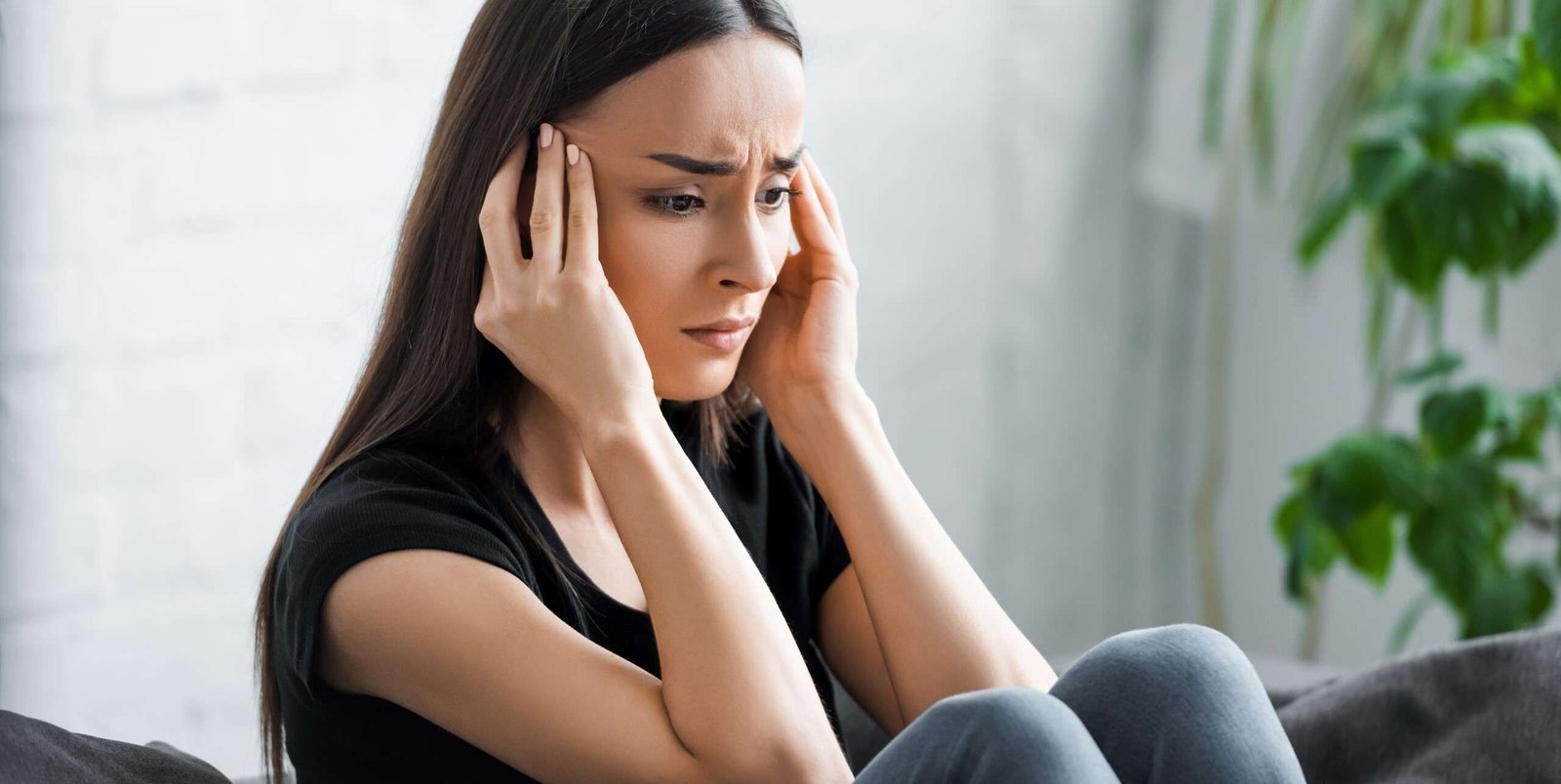
A consistent morning routine is one of the fastest, most reliable ways to reduce stress and anxiety. Small daily actions (sunlight, hydration, breathwork, movement and focused planning) change your body’s stress signalling and build mental resilience over weeks. Below is a short, evidence-aware routine you can start tomorrow, plus a 14-day plan, quick tips, and guidance on when to get personalised help.
The problem — why mornings shape your stress response
Stress hormones, sleep quality and lifestyle choices set the tone for the whole day. Skipping morning structure (sleep inertia, immediate screens, rushed caffeine) amplifies anxiety and reactive thinking. A calm, intentional start resets circadian rhythm, lowers cortisol spikes, improves mood and gives momentum for coping with daily challenges.
7-step morning routine to reduce stress and anxiety (15–45 minutes)
- Wake at a consistent time (0–2 minutes)
Keep a steady wake window—even weekends. Regularity stabilises your circadian clock, improving sleep and lowering baseline anxiety. - Sunlight exposure (5–15 minutes)
Go outside or sit by a bright window within an hour of waking. Morning light reduces cortisol dysregulation, improves alertness and synchronises sleep hormones. - Hydrate + mini-nutrition (1–3 minutes)
Start with a glass of water (room temp or warm). Add a small protein-rich bite (yogurt, soaked nuts) if you wake hungry—stable blood sugar helps calm anxiety. - Two-stage breathwork (4–8 minutes)
- Stage A (2–3 min): 4–4–4 box breathing (inhale 4s — hold 4s — exhale 4s — hold 4s) to downregulate the sympathetic response.
- Stage B (2–5 min): Diaphragmatic breathing or alternate nostril (anulom-vilom) to reduce heart rate and improve focus.
- Move (10–20 minutes)
Gentle cardio (brisk walk), yoga flow or light bodyweight routine increases BDNF, clears cortisol and raises mood. Short, consistent movement beats occasional intense workouts for mental health. - Micro-journaling & priorities (3–7 minutes)
Two quick prompts: “3 things I’m grateful for” + “Top 3 tasks for today (one must-do).” This orients attention to values and reduces decision fatigue that fuels anxiety. - Mindful caffeine + focused start (optional 5–10 minutes)
If you use caffeine, wait 20–30 minutes after waking and pair it with a protein snack. Begin your first focus block (Pomodoro 25/5) on a pre-chosen task to maintain calm momentum.
14-day starter plan
- Days 1–3: Fix wake time + morning water + 5 min breathwork.
- Days 4–7: Add 10 min sunlight and 10 min walk.
- Days 8–10: Start micro-journaling and set 1 priority daily.
- Days 11–14: Extend breathwork to 6–8 min and introduce a 25-minute morning focus block. Track mood/energy each day.
Consistency matters more than perfection—aim for ≥5 days/week to see reliable benefits.
Quick science notes
- Light exposure entrains circadian rhythms and supports sleep quality—poor sleep worsens anxiety.
- Breathwork activates the vagus nerve and increases parasympathetic tone, lowering heart rate and subjective anxiety.
- Short aerobic activity raises brain-derived neurotrophic factor (BDNF) and reduces inflammatory markers linked to low mood.
- Gratitude/journaling shifts attention away from threat loops and reduces rumination.
Practical tips & variations
- Short on time? Do step 2 (sunlight) + step 4 (2 min breathwork) + set one priority—done in under 10 minutes.
- Can’t go outside? Use a bright indoor light (sit close for 10–15 min) but morning outdoor light is best.
- Morning anxiety spikes? Start with 1–2 minutes of breathing and build up gradually.
- Night shift workers: Shift light exposure to align with wake time; maintain consistent wake-sleep window.
Safety & when routines need clinical help

A morning routine helps mild–moderate stress and anxiety, but get professional care if you have: persistent panic attacks, severe insomnia, intrusive thoughts, suicidal ideation, or symptoms that impair work and relationships. For medicine-aware assessment, therapy options, or combined lifestyle + treatment plans, book a FREE personalised consultation with Vedic Upchar: https://vedicupchar.com/doctor-consultation
FAQ
Q: How long until I notice a change?
A: Many people feel calmer within days; measurable reductions in anxiety often appear after 2–4 weeks of consistent practice.
Q: Can breathwork replace therapy or medication?
A: No—breathwork is a powerful adjunct but not a substitute for indicated therapy or medication for moderate–severe anxiety. Consult a clinician.
Q: Is cold exposure helpful for anxiety?
A: Cold showers can boost alertness and resilience for some, but start gently—cold exposure isn’t recommended for uncontrolled cardiovascular disease.
A short, consistent morning routine—sunlight, hydrate, breathwork, movement and a tiny planning ritual—gives you physiological and psychological tools to reduce stress and anxiety every day. If anxiety is severe or persistent, please get personalised, medicine-aware support: https://vedicupchar.com/doctor-consultation.
