
-
 admin
admin - Posted on
- Categories:Uncategorized
- 0 comments

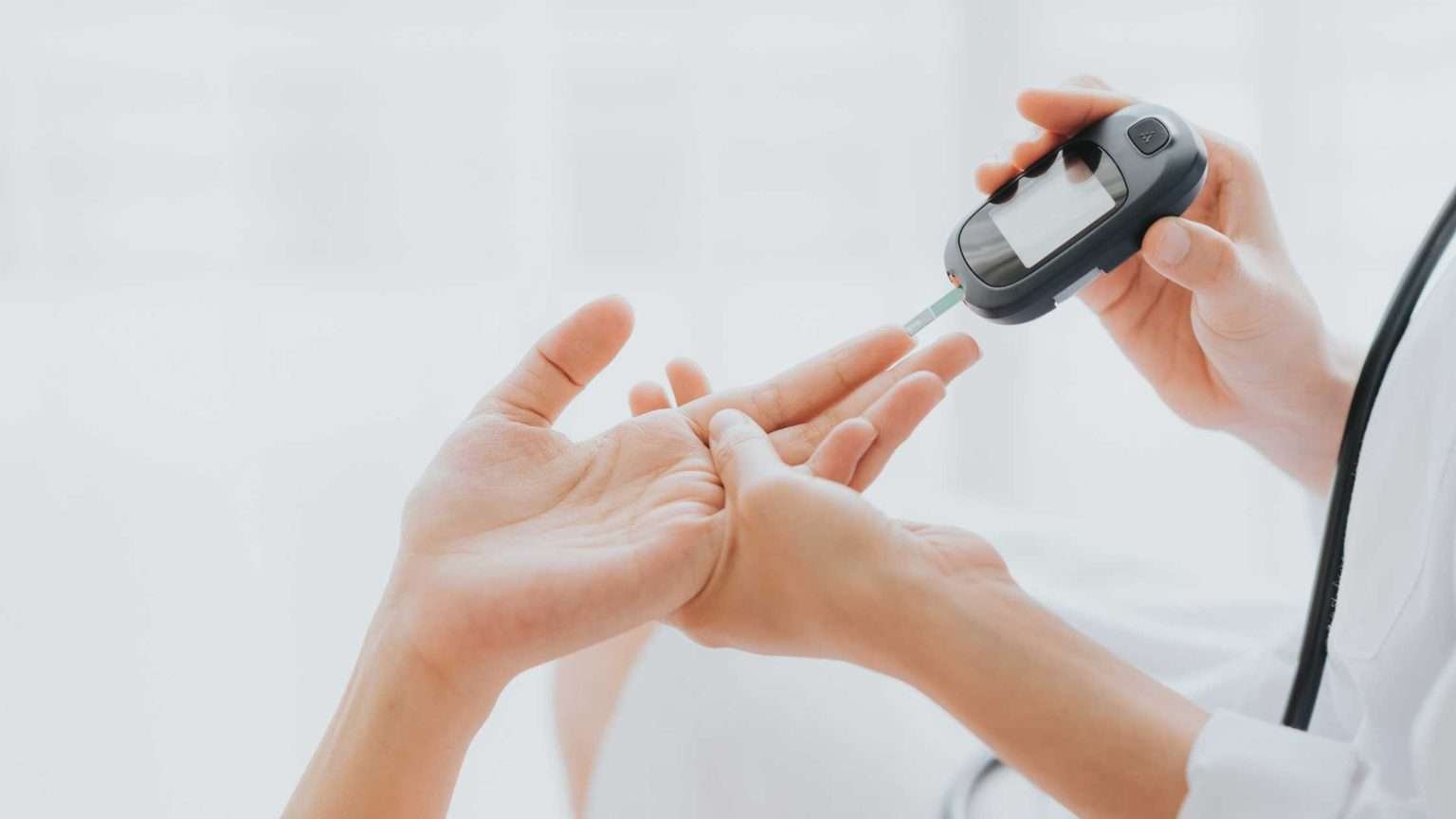
If you’re interested in Managing diabetes naturally, small, consistent changes to what you eat and how you live can make a measurable difference. This guide covers smart food swaps, meal ideas, Ayurvedic herbs people often use, safety notes and when to get a personalised consultation.
The problem
Many people with type 2 diabetes or early metabolic problems rely only on quick fixes — restrictive diets or supplements — instead of sustainable eating, activity and medical follow-up. Long-term control of blood sugar needs a combination of realistic dietary patterns, regular movement, weight management where needed, and safe use of supportive herbs under supervision.
Core principles
- Focus on whole foods and fibre to slow glucose absorption.
- Prefer low-glycaemic, unrefined carbohydrates and appropriate portions.
- Prioritise lean protein and healthy fats to reduce post-meal spikes.
- Use movement and weight loss (if needed) to improve insulin sensitivity.
These lifestyle foundations are central to modern diabetes guidance and should be your first focus.
Foods to include (easy swaps that help)
- Swap white rice/white bread → brown rice, millets, quinoa, or smaller portions of white rice with extra vegetables.
- Choose whole grains & pulses: oats, barley, dals, and legumes add fibre and fill you up with less glucose surge.
- Fill half your plate with non-starchy vegetables: leafy greens, carrots, broccoli, capsicum.
- Include lean protein at every meal: fish, eggs, paneer, tofu, chicken, or lentils. Protein reduces post-meal blood sugar peaks.
- Add healthy fats: extra-virgin olive oil, nuts, seeds, and fatty fish (salmon, mackerel) — these support heart health and satiety.
- Favour low-sugar fruits: berries, guava, apple (portion control) over high-sugar fruits and fruit juices.
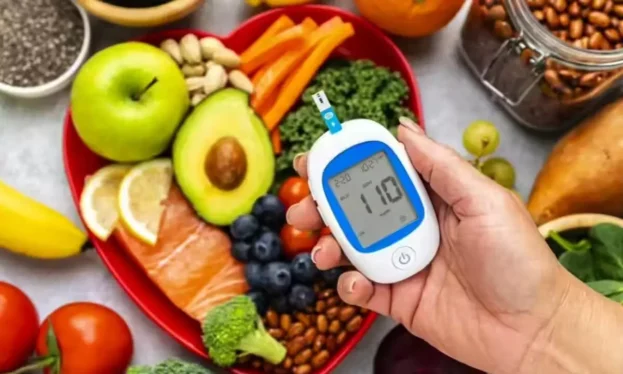
Dietary patterns like Mediterranean/DASH-style or balanced plate approaches are repeatedly recommended because they combine these elements into sustainable eating.
Foods & habits to limit
- Cut sugary drinks and fruit juices (fastest way to raise blood glucose).
- Limit refined carbs and sweets — pastries, sugary snacks and sweetened cereals.
- Avoid frequent late-night eating and large portions close to bedtime; prefer modest dinner portions and allow 2–3 hours before sleep.
- Minimise ultra-processed convenience foods which are calorie-dense and low in fibre.
Portion control and meal timing often matter as much as specific “superfoods.”
Smart meal structure (simple pattern)
- Breakfast: whole-grain porridge or idli with a protein (eggs/curd) and a small handful of nuts.
- Lunch: a grain + dal/legume or lean protein + lots of cooked/ raw vegetables + salad.
- Snack: low-GI snack — roasted chana, a small fruit + handful of nuts, or vegetable sticks with hummus.
- Dinner: lighter — steamed vegetable + grilled fish/legume curry + small portion of whole grain.
Aim to include fibre + protein + healthy fat at each meal to blunt glucose rises.
Evidence-aware Ayurvedic herbs people use (and how the evidence looks)
Many traditional herbs are studied for blood-sugar effects. While some trials show promising benefits, herbs are adjuncts — not substitutes — for medical treatment.
- Fenugreek (methi): clinical trials and systematic reviews indicate fenugreek seeds can lower fasting glucose and improve glucose tolerance when used as part of diet or supplement regimens. Discuss dose and form with your clinician.
- Bitter melon (karela / Momordica charantia): several studies suggest beneficial effects on glucose metabolism, though results vary between preparations and doses; it’s commonly used as a food and medicinal vegetable.
- Cinnamon: some meta-analyses report modest reductions in fasting glucose and HbA1c with cinnamon supplements; results are mixed and product quality matters.
- Guduchi / Tinospora cordifolia: used in Ayurvedic practice and researched for possible glucose-lowering activity; evidence is preliminary but encouraging in some small trials.
Important: herbs can interact with medications (including insulin or oral glucose-lowering drugs) and can affect liver enzymes or blood pressure in some people. Always check with your prescriber before starting herbs and choose products from reputable manufacturers.
Safety & quality: what to watch for
- Herbal supplements are not regulated the same way as medicines in many countries — contamination and inconsistent dosing are known issues. Choose third-party tested products where possible.
- Monitor blood glucose closely when you add a herb: some people experience lower readings and may need medication adjustment.
- Avoid unverified “miracle” formulations or very high doses; long-term safety data are often limited.
When in doubt, get medical supervision for any herbal regimen.
Lifestyle habits that amplify every food swap
- Move regularly: 20–40 minutes of brisk walking most days improves insulin sensitivity and helps weight control.
- Sleep & stress: Poor sleep and chronic stress raise fasting glucose through hormonal effects — prioritise regular sleep and stress-reduction tools (breathing, short walks, mindfulness).
- Weight loss if overweight: Losing 5–10% body weight often substantially improves glucose control and sometimes delays medication escalation.
Lifestyle change is a cornerstone of diabetes care and is emphasised in current clinical guidance.
Monitoring & working with your clinician
- Know your targets: discuss HbA1c and home-glucose goals with your clinician; targets vary by age, duration of diabetes and other health factors.
- Home checks: learn safe SMBG (self-monitoring) timing if advised — fasting, pre/post-meal checks and symptom-based testing help you see how food swaps affect glucose.
- Medication review: if diet or herbs lower your readings, medication doses sometimes need adjustment — never change prescriptions on your own.
A collaborative approach (you + clinician + dietitian) keeps care safe and effective.
Practical 2-week starter plan
Week 1 — swap & stabilise: replace sugary drinks with water or unsweetened beverages; choose whole-grain breakfasts and add a daily vegetable to every meal.
Week 2 — build habits: add two 20–30 minute brisk walks, try fenugreek seeds in one meal (small amount) and monitor fasting glucose; note any changes and discuss at your next appointment.
Use a simple diary (meals, activity, glucose readings) to track effects and share with your clinician.
When to get a consultation
If you have newly diagnosed diabetes, high or rising HbA1c, frequent hypoglycaemia, symptoms of complications, pregnancy, or you plan to start herbs while on glucose-lowering drugs — get a professional consultation. A clinician can personalise targets, adjust medications safely, recommend lab tests, and coordinate with a dietitian to create a realistic, evidence-based plan.
For safe, personalised support, schedule a consultation with your healthcare provider before starting herbs or major diet changes.
FAQ
Q: Can I stop medications if I switch to natural approaches?
A: No — only a prescriber can safely change medications. Lifestyle can sometimes reduce medication needs, but this must be supervised.
Q: Which herb works fastest?
A: Responses vary; some people see modest changes in weeks with fenugreek or bitter melon, but individual results and safety profiles differ.
Q: Are juices or smoothies OK?
A: Whole fruits are preferable; juices concentrate sugar and can raise glucose quickly. If you use smoothies, include fibre and protein and watch portion size.
Conclusion
Managing diabetes naturally means combining realistic food swaps, regular movement, sleep and stress management, and cautious, evidence-aware use of Ayurvedic herbs — all under medical supervision. Start with modest changes, monitor results, and work with your clinician for safe, personalised adjustments.
If you’d like personalised guidance, book a consultation with your healthcare provider or a qualified dietitian/clinician to design a plan that fits your health needs.
