
-
 admin
admin - Posted on
- Categories:Home Remedies
- 0 comments

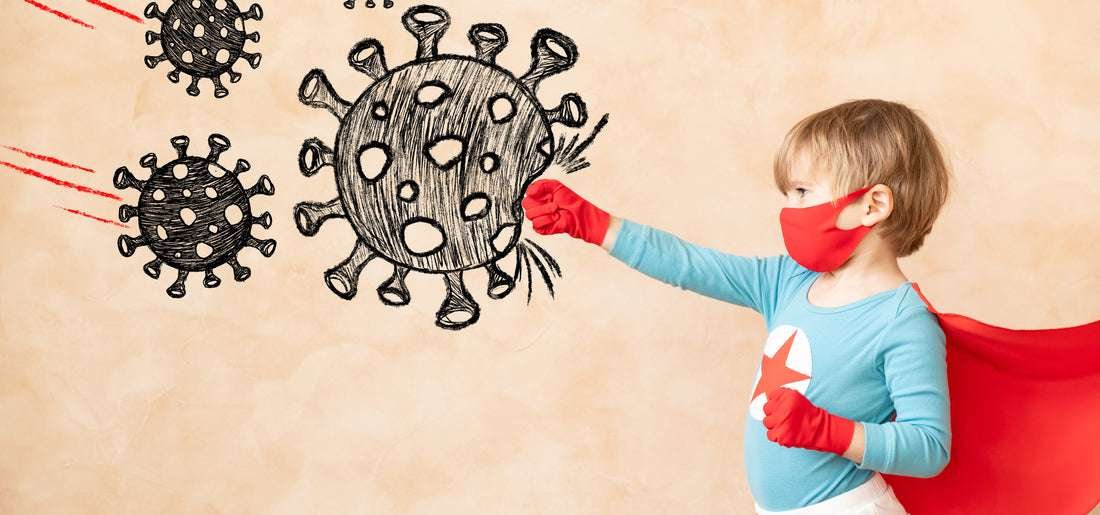
Helping kids’ immunity stay strong during flu season is one of the best things parents can do to keep little ones healthy and reduce school absences. This guide gives clear, practical steps — vaccination basics, day-to-day habits, supportive care, and red flags that mean you should seek a consultation.
Why focus on kids’ immunity?
Children are often the first to catch and spread respiratory viruses in families and classrooms. Strengthening everyday defences reduces risk of infection and helps make illnesses milder if they do happen. Public-health authorities emphasise vaccination and layered prevention as the core strategy for protecting children during flu season.
Vaccination: the foundation of protection
Annual influenza vaccination is the single most effective step to lower a child’s risk of getting flu and of having severe complications. Vaccination recommendations and timing can vary by age and local guidance, so check with your child’s healthcare provider about the right vaccine schedule for your child.
Everyday habits that boost kids’ immunity
Small daily habits add up. Encourage and model these healthy routines:
- Regular sleep: Proper, age-appropriate sleep supports immune function and recovery.
- Balanced diet: Plenty of colourful fruits and vegetables, protein and healthy fats supply vitamins, minerals and antioxidants children need.
- Hydration: Fluids keep mucous membranes healthy so they can trap and clear germs.
- Active play: Regular physical activity helps overall health and immune resilience.
- Stress reduction & routines: Calmer children sleep better and maintain healthier habits.
These lifestyle measures are supportive — they don’t make a child “immune” but they meaningfully lower vulnerability to infections.

Hygiene & environment — stop germs early
Teach simple, effective behaviours that reduce spread:
- Handwashing with soap and water for 20 seconds (or hand sanitizer when soap isn’t available).
- Cover coughs and sneezes with a tissue or the elbow, and dispose of tissues immediately.
- Keep sick children home until well enough to participate in school or childcare to protect others.
- Clean frequently touched surfaces during periods of high illness in the home or classroom.
Public-health guidance highlights these measures as essential complements to vaccination for reducing transmission.
Supportive care and helpful tools
When children are symptomatic, these measures make them more comfortable and can prevent complications:
- Saline nasal drops or sprays for infants and congested children to ease breathing and feeding.
- Fever and pain relief using age-appropriate acetaminophen or ibuprofen as advised by a pediatrician. (Avoid aspirin in children.)
- Humidifiers to reduce dryness in heated indoor air during winter.
- Antiviral medicines: For children at higher risk or with severe illness, clinicians may prescribe antiviral drugs that work best when started early — so timely contact with a healthcare provider matters.
Who is higher risk — act early for these children
Some children are at greater risk of serious flu complications and should be monitored closely and offered early medical advice. This includes very young children (especially under 2 years), children with chronic lung, heart, neurologic or metabolic conditions, and those with weakened immune systems. Families of high-risk children should have a low threshold for contacting their pediatrician when symptoms appear.
When to see a doctor or get a consultation
Seek prompt medical attention if a child has any of the following:
- Difficulty breathing, fast breathing, or shortness of breath.
- High or prolonged fever, especially in infants.
- Poor fluid intake or signs of dehydration (lightless/very dry mouth, decreased urine).
- Lethargy, difficulty waking, or sudden change in behaviour.
- Worsening symptoms after initial improvement.
If you’re ever unsure, contact your child’s healthcare provider — early consultation can guide testing, antiviral decisions, and safe home care.
Get a consultation: https://vedicupchar.com/doctor-consultation
Practical checklist for parents (quick)
- Book annual flu vaccination for eligible children and caregivers.
- Reinforce handwashing and cough etiquette at home.
- Maintain sleep, nutrition and activity routines.
- Keep age-appropriate fever and rehydration supplies on hand.
- Call your pediatrician early for high-risk children or if severe symptoms develop.
Myths & realistic expectations
- No single food, supplement or tonic will make a child completely immune to flu — combine vaccination, healthy habits and hygiene for real protection.
- Antibiotics do not treat influenza (a virus) and should only be used for confirmed bacterial complications.
Final note — partner with professionals
Supporting kids’ immunity is a team effort: parents, caregivers, schools and clinicians. If you want a personalised plan for your child — particularly if they are very young, have chronic conditions, or you’re unsure about vaccines or antivirals — book a professional consultation to get tailored advice. Get consultation: https://vedicupchar.com/doctor-consultation
