
-
 admin
admin - Posted on
- Categories:Home Remedies
- 0 comments

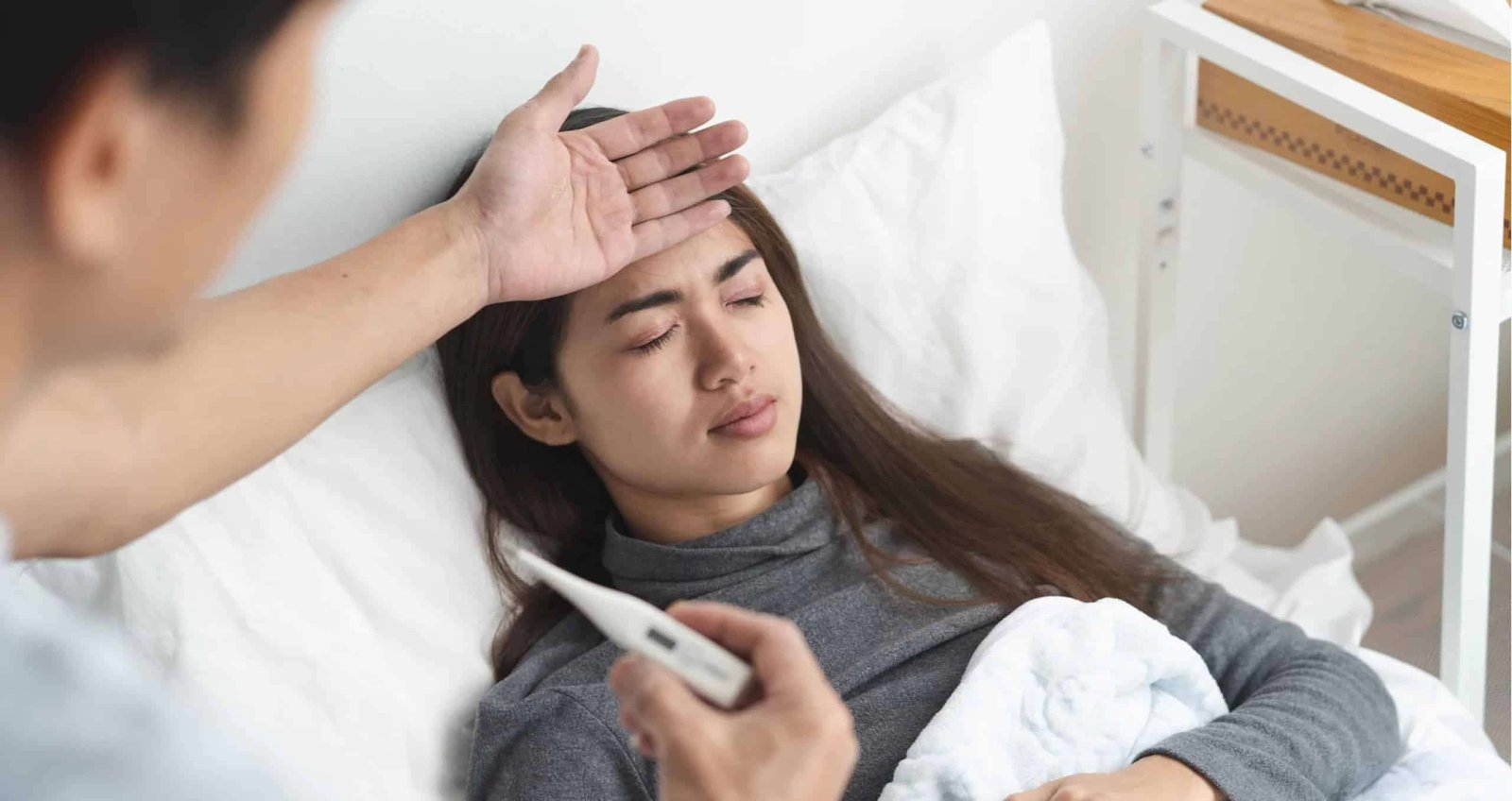
Preparing a simple, well-stocked home medicine kit before flu & dengue season starts saves time, reduces panic and—most importantly—keeps you ready to act safely. This guide lists essential items, explains safe medication choices (especially for dengue), shows what to monitor at home, and tells you exactly when to get medical help or a professional consultation.
Quick overview — the two big safety rules
- For dengue: use paracetamol (acetaminophen) for fever and pain — avoid NSAIDs/aspirin because they increase bleeding risk.
- For flu: most people can recover at home with rest and fluids, but high-risk people or those who become very sick should contact a clinician early — antivirals can help if started promptly for some groups.
Essential items for a home medicine kit (compact, smart, and safe)
Medicine & dosing aids
- Paracetamol (acetaminophen) — adult tablets and a child-appropriate syrup; keep the dosing chart or instructions handy and do not exceed recommended doses (monitor total paracetamol from combination products). For children, use weight-based dosing as advised by guidelines.
- Avoid NSAIDs (ibuprofen, aspirin, diclofenac) when dengue is possible — remove or clearly mark them so family members don’t give them by mistake.
- Oral rehydration salts (ORS) packets — very useful for dehydration from fever, high sweating, vomiting or diarrhoea. Keep a few packets in the kit.
- Electrolyte solution / rehydration drinks (ready-made) — helpful for adults when fluids and salts need replenishing quickly.
- Age-appropriate cough lozenges / simple cough syrup (if needed) — avoid sedating medicines for young children unless prescribed.
- Antihistamine (non-drowsy) for allergies — only if you normally use these and after checking with your clinician.
Monitoring & first-aid tools
- Digital thermometer (fast, accurate) — essential for tracking fever trend.
- Digital pulse oximeter — useful for monitoring oxygen saturation in respiratory illnesses (flu) if you have risk factors or shortness of breath.
- Basic first-aid: adhesive plasters, antiseptic wipes, sterile gauze, tape.
- Disposable masks & tissues — to limit spread of flu at home.
- Hand sanitizer (alcohol based) and small soap bar.
Prevention & comfort items
- Mosquito repellents and bed net / window screens — critical for dengue prevention at home.
- Cool compress or ice pack wrap (for comfort and tepid sponging if fever causes distress).
- A printed emergency contact list (family doctor, nearest hospital, local health helpline) and a simple symptom checklist for when to seek care.
Storage & safety
- Keep medicines in a labelled box out of children’s reach, in a cool, dry place.
- Check expiry dates monthly and replace opened liquid medicines per label instructions.
- Avoid storing multiple combination fever remedies that could lead to accidental paracetamol overdosing.

How to use the kit safely — quick rules
- Read labels carefully and use the correct formulation for adults vs children.
- Count paracetamol doses and avoid other over-the-counter combination products that contain the same drug. News and safety alerts warn about harms from unregulated or excessive self-medication—use paracetamol responsibly and consult a clinician if unsure.
- If dengue is suspected: stop NSAIDs and seek medical advice; ensure good oral fluids and early clinical follow-up.
- If flu in a high-risk person (pregnancy, chronic lung/heart disease, diabetes, elderly): contact your healthcare provider early — antiviral treatment may be recommended.
What to monitor at home (and red flags)
What to record daily: temperature (2×/day), fluid intake, urine output (good urine output = hydrated), and symptoms (bleeding, severe belly pain, persistent vomiting, breathing trouble).
Seek urgent medical care if any of these appear (dengue red flags & severe flu signs):
- Dengue warning signs: severe abdominal pain or tenderness, persistent vomiting (3+ times/24 hr), bleeding (nose/gums, blood in vomit or stools), extreme drowsiness or restlessness — seek urgent care.
- Respiratory alarm signs (flu): difficulty breathing, rapid breathing, chest pain, blue lips/face, fainting or severe dizziness — head to emergency services.
Also seek care if fever lasts more than 3 days without improvement, or if you’re in a high-risk group and symptoms begin.
Practical scenarios — what to do quickly
- Mild flu (healthy adult): rest, fluids, paracetamol for fever/pain, masks at home to avoid spread, monitor for breathing trouble. Stay home until 24 hours after fever resolves.
- Suspected dengue: use paracetamol only, keep hydrated with ORS/electrolytes, monitor urine output and warning signs, and contact a clinician for blood tests (CBC/platelet monitoring) as advised. Do not give ibuprofen/aspirin.
Ready-made kit checklist (print & pack)
- Digital thermometer
- Pulse oximeter (optional but useful)
- Paracetamol (adult tablets + children’s syrup)
- ORS packets (6–12 packets)
- Electrolyte drinks (2–4 bottles)
- Disposable masks & tissues
- Mosquito repellent & small net or screens
- Basic first-aid items (plasters, gauze, antiseptic)
- Hand sanitizer and soap
- Small flashlight + spare batteries
- Symptom & contact sheet (doctor/hospital numbers, when-to-seek-care checklist)
When to get a consultation

If you’re unsure about symptoms, have a high-risk household member (infant, elderly, pregnant, chronic disease), or if warning signs develop, book a consultation and get clear next steps (tests, whether to admit, or medicines). Early medical advice can be lifesaving in dengue and helps guide antiviral use in flu for high-risk people.
Book a consultation for personalised guidance and safe follow-up: https://vedicupchar.com/doctor-consultation
