
-
 admin
admin - Posted on
- Categories:Home Remedies
- 0 comments


If you want to improve indoor air quality without spending a fortune, this guide gives simple, affordable strategies you can start today — low-maintenance plants, low-cost purifiers (including DIY options), easy cleaning and ventilation habits, plus tips for keeping kids and pets safe. For personalised advice or if someone in your home has allergies or breathing problems, consider getting a consultation.
The problem
Many homes trap pollutants indoors: dust, pollen, pet dander, cooking fumes, mould spores, and volatile organic compounds from paints or cleaning products. Poor indoor air can worsen allergies, cause headaches, disturb sleep and reduce comfort — especially during winter when windows stay shut. Improving air quality doesn’t always mean buying expensive equipment; small, consistent changes can make a big difference.
Quick approach — 3 pillars that actually work
- Source control: Reduce or remove polluting activities (smoking indoors, strong chemical sprays).
- Ventilation: Bring in fresh air and create cross-ventilation when possible.
- Filtration & cleaning: Use filters, vacuuming and dust control to cut particulates.
Combine these with low-cost helpers — plants and natural remedies — and you’ve got a budget-friendly plan.
Budget-friendly plants that freshen the room (and how to use them)
Houseplants are attractive and mood-lifting; some add minor air improvements and help with humidity. They’re best used as part of a bigger strategy, not as the only solution.
Good low-maintenance options:
- Snake plant (Sansevieria / Dracaena trifasciata): Tough, low light and easy care.
- Money plant / Pothos (Epipremnum aureum): Fast-growing and forgiving.
- Spider plant (Chlorophytum): Resilient and kid-friendly.
- Areca palm / Bamboo palm: Adds humidity and a fuller look for living rooms.
- Tulsi (Holy basil) or aromatic herbs: Nice for a kitchen window; fits Ayurvedic preferences.
Tips: place plants where you spend time (living room, bedroom) but don’t crowd them — 2–4 medium plants per commonly used room is reasonable. Wipe leaves occasionally to keep dust from building up. Be careful with pets — some common houseplants are toxic to cats/dogs; check before buying.
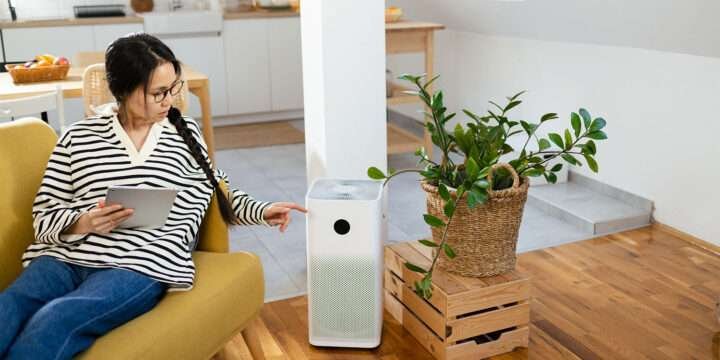
Low-cost purifiers and smart DIY filtration
If a commercial HEPA purifier is out of budget, these low-cost options can dramatically reduce particles:
- Use an existing fan + furnace filter: Attach a high-quality furnace filter to a box fan (secure at the back with tape or cardboard) to make a simple particle filter for rooms. (Ensure filter edges seal to direct air through it.)
- Corsi-Rosenthal style box: If you’re handy, build a multi-filter box with a fan and MERV-rated filters for stronger capture — a widely used budget DIY option.
- Second-hand or refurbished purifiers: Look for refurbished HEPA units or seasonal sales. Even an older purifier with a clean HEPA filter helps.
- Focus on rooms you use most: Run filtration in bedrooms overnight and living spaces during the day to save electricity.
Always follow safety instructions for fans and ensure filters are rated to capture fine particles (HEPA or high MERV for DIY). Replace or clean filters regularly according to use.
Everyday habits that cost little but impact a lot
- Ventilate daily: Open windows for 10–15 minutes when weather allows to flush indoor air. Cross-ventilation (open windows on opposite sides) is even better.
- Exhaust while cooking: Use an exhaust fan or open a window when frying or cooking to remove fumes and grease aerosols.
- No indoor smoking: This is the single biggest indoor air polluter — ban smoking inside.
- Switch to low-VOC products: Choose low-VOC paints, cleaning products and air fresheners; store strong chemicals outside the living area.
- Hard floors over heavy carpet if possible: Carpets trap dust; sweeping and mopping is easier and cheaper than deep carpet cleaning.
- Frequent dusting & vacuuming: Use a vacuum with a HEPA or good particulate filter; microfiber cloths trap dust better than feather dusters.
- Dry wet areas quickly: Fix leaks, dry bath mats and avoid standing water to prevent mould growth.
Kitchen & household hacks that help air quality
- Simmer natural deodorizers: A simmer pot with water and citrus peels, cinnamon sticks or cloves lifts scent without harsh aerosols.
- Activated charcoal sachets: Cheap, reusable charcoal pouches absorb odors and some VOCs — place in cupboards and small rooms.
- Baking soda for odours: A shallow bowl in the fridge or near a smelly spot absorbs odours cheaply.
- Ventilate during cleaning: Open windows while mopping or using cleaning products to let fumes escape.
Humidity control — right balance matters
Indoor humidity that’s too low irritates airways; too high encourages dust mites and mould. Aim for a comfortable middle (roughly 40–50%). Affordable solutions:
- Use a humidifier in dry months or place bowls of water near heaters. Clean humidifiers regularly to avoid microbial growth.
- Dehumidify damp rooms with a small dehumidifier or with moisture-absorbing containers if mould is a concern.
Special considerations: allergies, kids & pets
- Allergy-proof bedrooms: Wash bedding weekly in hot water, reduce stuffed toys, and consider allergen-proof mattress/pillow covers if budget allows.
- Pet dander: Groom pets outside and vacuum frequently; keep pets out of bedrooms if family members have allergies.
- Children & plants: Choose non-toxic plants for homes with curious children or pets.
When to get a consultation or professional help
If household members have persistent allergy symptoms, asthma attacks, unexplained headaches, frequent respiratory infections, or suspected mould/mildew that you can’t control, get a professional consultation. A tailored assessment can identify hidden sources (hidden dampness, ventilation issues, workplace exposures) and recommend targeted solutions. For personalised guidance, you can book a consultation.
Get a consultation: https://vedicupchar.com/doctor-consultation
Simple starter plan you can do this weekend
- Open windows for cross-ventilation for 10–15 minutes.
- Put 2–3 affordable houseplants in living areas and wipe dust off their leaves.
- Make a DIY filter with a box fan + furnace filter or run an existing purifier in the bedroom overnight.
- Declutter and dust high-touch areas; wash bedding and vacuum floors.
- Swap one strong chemical cleaner for a low-VOC alternative or DIY vinegar-based cleaner (avoid mixing with bleach).
Repeat weekly and observe who feels better — small, steady changes add up.
Conclusion
To improve indoor air quality on a budget, combine source control, ventilation and affordable filtration — and add plants, natural remedies and good habits for comfort and wellbeing. If anyone at home has allergy or breathing issues, get a personalised consultation to pinpoint causes and get safe, effective fixes.
