
-
 admin
admin - Posted on
- Categories:Home Remedies
- 0 comments

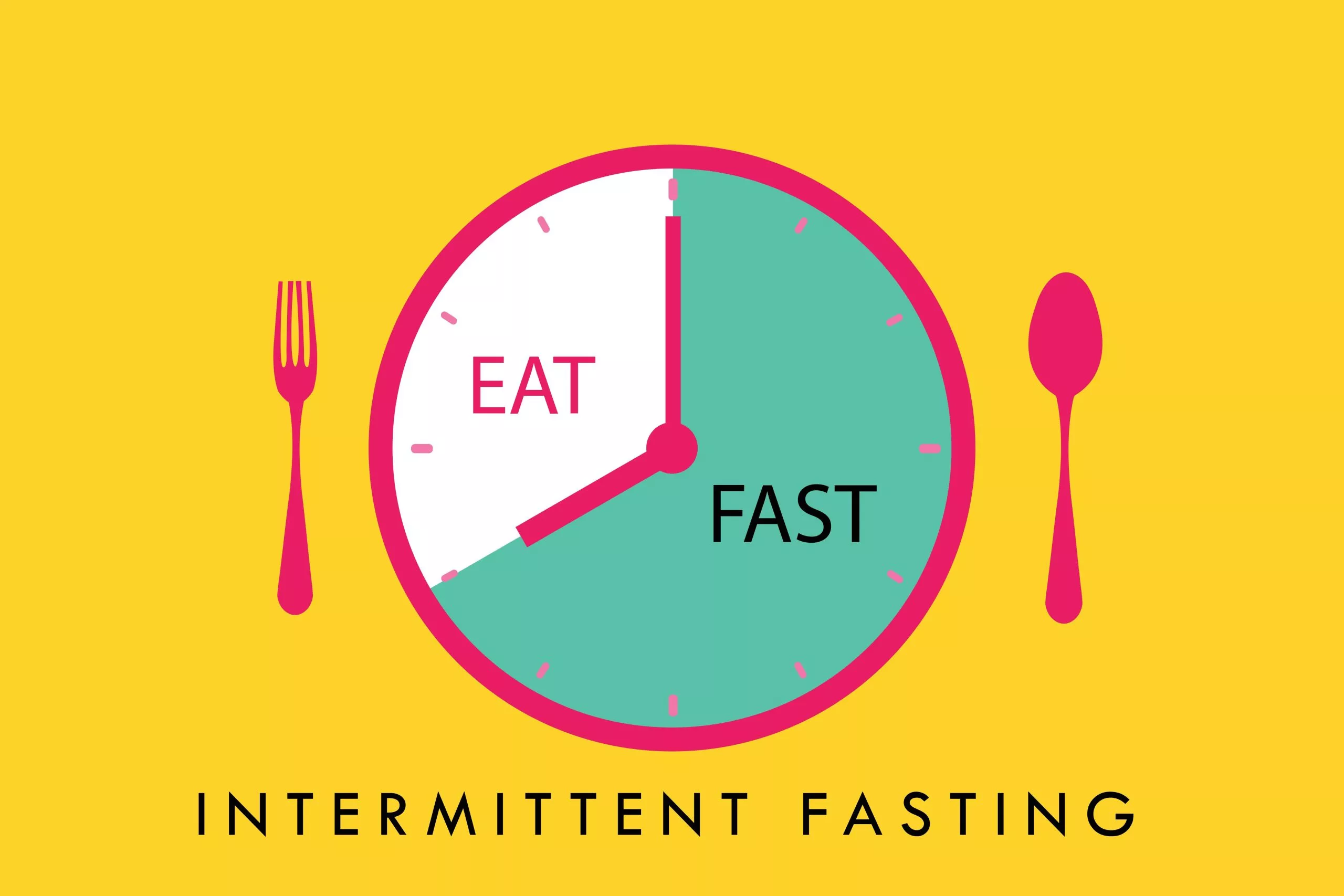
If you want to try **Fasting ** with an Ayurvedic approach, this guide shows how to do intermittent fasting safely. You’ll find why timing and digestion matter, simple protocols, dosha-based tips, what to eat during feeding windows, and clear safety warnings. For personalised guidance that considers your constitution, medicines and health goals, get a consultation from Vedic Upchar: https://vedicupchar.com/doctor-consultation
Why an Ayurvedic view of Fasting matters
In Ayurveda, benefits from **Fasting ** come when digestion (agni) and tissue strength (ojas) are respected. Done right, intermittent fasting can improve digestion, energy regulation and metabolic health. Done wrong — especially with weak digestion or unsuitable timing — it can increase Vata (anxiety, dryness) or deplete Ojas (fatigue, low immunity). So the method and timing must fit your body and season.
Basic principles for safe Ayurvedic Fasting
- Honour your Agni: never fast when digestion is weak.
- Start gently: shorter fasts first, then extend.
- Keep warm liquids and small, nourishing meals when breaking fast.
- Match fasting style to your dosha, age and activity.
- Stay hydrated and rest when fasting.
Use these as the foundation for any intermittent plan.
Simple intermittent fasting schedules that fit Ayurveda
- 12:12 (gentle start): 12 hours fasting / 12 hours eating — good for beginners and older adults.
- 14:10 (balanced): 14 hours fasting / 10 hours eating — good for most healthy adults.
- 16:8 (common): 16 hours fasting / 8 hours eating — for people with stable digestion and regular activity.
- 18:6 or alternate-day light fasts: advanced — only if you have good digestive strength and professional guidance.
Start at 12:12 for 1–2 weeks. Move slowly to 14:10 or 16:8 as your digestion adapts.
Dosha-specific fasting tips
- Vata (dry, restless): prefer shorter fasts (12–14 hours). Keep evenings warm and nourishing. Avoid long dry fasts; include ghee, warm soups when breaking fast.
- Pitta (hot, intense): 14–16 hours may suit, avoid fasting in hot weather. Keep cooling, calming foods in feeding windows (coconut water, coriander).
- Kapha (slow, heavy): 14–18 hours can help weight and stagnation, favour morning activity and lighter lunches; avoid heavy late dinners.
Always adjust by how you feel — breath, sleep and bowel regularity indicate fit.

How to break a fast the Ayurvedic way (important)
- Begin with warm water or a small cup of warm herbal tea (cumin or ginger for digestion).
- Have a small, warm, easy-to-digest meal first — moong dal khichdi, soup with cooked vegetables, or warm porridge.
- Wait 30–45 minutes; if comfortable, eat a normal, balanced meal.
Heavy, cold, fried or raw meals immediately after a fast can shock the digestive fire.
What to eat during the feeding window
- Focus on cooked, whole foods: whole grains, lentils, cooked vegetables, light stews.
- Include healthy fats: ghee, sesame, olive oil in small amounts.
- Protein: dals, paneer, eggs, fish or lean meat as per preference.
- Spices: use digestive spices (cumin, coriander, ginger, black pepper) moderately.
- Avoid: processed snacks, sugary drinks, heavy fried meals that overwhelm Agni.
Good meals support digestion, recovery and sustainable results.
Hydration & supportive liquids during Fasting
- Sip warm water, lemon-water (if Agni strong), or herbal teas (ginger, cinnamon, fennel) during fast.
- Avoid iced drinks and excessive caffeine — they blunt digestive fire and may raise Vata.
- Bone broth or very light vegetable broths can be used on longer intermittent fasts if needed.
Gentle morning routine while fasting
- Wake at a steady time, drink a glass of warm water.
- Do light movement: 10–20 min walk or gentle yoga to stimulate circulation and digestion.
- Practice 3–5 minutes of pranayama (slow belly breathing) to calm Vata and support fasting resilience.
Who should NOT fast or must consult first
- Pregnant or breastfeeding women.
- Children and adolescents still growing.
- People with eating disorders.
- Those with uncontrolled diabetes, severe chronic diseases, low BMI, or adrenal insufficiency.
- People on certain medications (insulin, blood thinners, some cardiac drugs) — always consult before starting **Fasting **.
If any of the above apply to you, get a consultation from Vedic Upchar before attempting intermittent fasting: https://vedicupchar.com/doctor-consultation
Signs fasting is not right for you
- Dizziness, fainting or excessive weakness.
- Marked anxiety, sleeplessness or mood swings.
- Constipation or severe digestive pain.
- Persistent low energy or falling blood pressure.
Stop the fast and consult a practitioner if these occur.
A 4-week gentle plan to start intermittent fasting (Ayurvedic-friendly)
- Week 1: 12:12 window. Warm water on waking. Light evening meal. Track sleep and digestion.
- Week 2: Move to 14:10 if comfortable. Add a light morning walk. Break fast with khichdi or warm soup.
- Week 3: Try 16:8 for 3–4 days. Increase warming spices slightly if digestion feels sluggish.
- Week 4: Continue the schedule that feels best. Reassess weight, sleep, mood and bowel habits. If uncertain, book a personalised consult.
Special notes: fasting during seasons & travel
- Monsoon: favour shorter fasts and warm, cooked meals; digestibility is lower.
- Summer: avoid long fasts in extreme heat; focus on cooling hydration.
- Winter: fasting can be easier; ensure nourishing meals to maintain warmth.
When travelling, keep windows gentle (12–14 hours) and prioritise familiar, cooked food.
Combining herbs & supplements (use caution)
Some supporting herbs (ginger, black pepper, cinnamon) help digestion during feeding windows. Do not start potent herbs or high-dose supplements while fasting without professional advice — they can interact with medicines or alter blood sugar. For tailored herb choices, get a consultation from Vedic Upchar: https://vedicupchar.com/doctor-consultation
Final tips for safe, sustainable Fasting
- Move slowly — gradual change wins.
- Prioritise sleep and gentle movement.
- Keep meals warm, cooked and dosha-appropriate.
- Listen to your body — stop or modify if you feel unwell.
- Seek personalised guidance for chronic conditions, pregnancy, or complex health goals.
