
-
 admin
admin - Posted on
- Categories:Home Remedies
- 0 comments

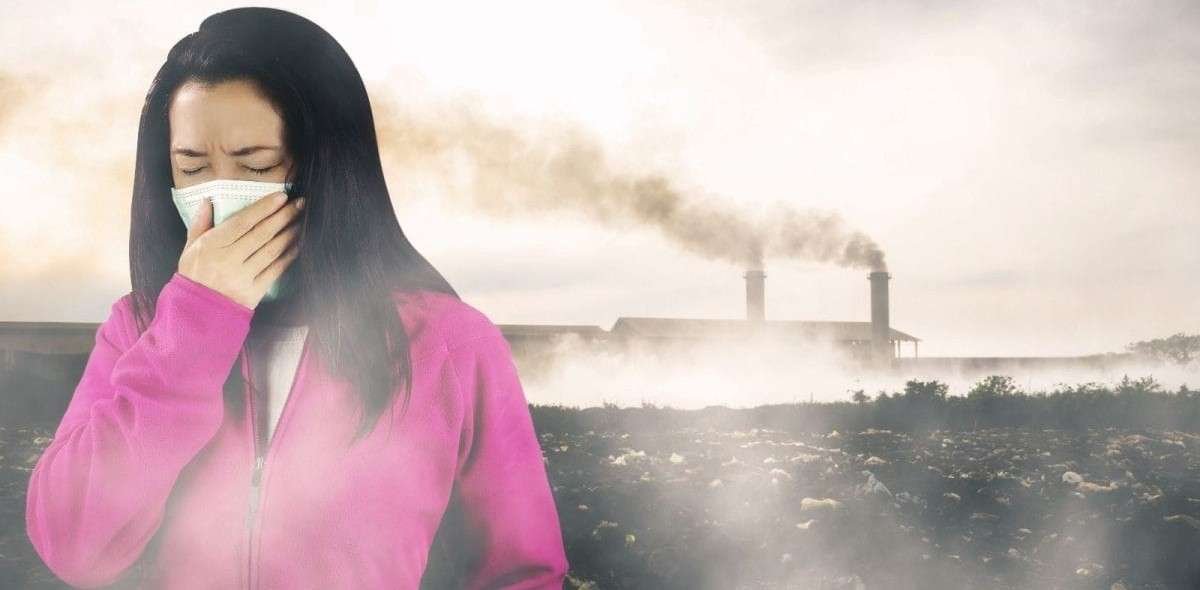
If you’re looking for effective pollution allergy remedies, Ayurveda offers gentle, time-tested measures — from nasal cleansing and nasya to diet and herbal supports — to reduce cough, sinusitis and allergic inflammation caused by polluted air. This blog blends modern prevention tips with Ayurvedic principles so you get practical daily steps plus when to seek professional help.
The problem
Air pollution (vehicle exhaust, dust, industrial smoke, seasonal smog) irritates the nasal mucosa, weakens local immunity and increases mucus production. In Ayurvedic terms, polluted air increases Kapha and vitiates the Pranavaha Srotas (respiratory channels), leading to persistent cough (kasa), blocked or inflamed sinuses (peenasa/sinusitis) and allergy-like symptoms (rhinitis, watery eyes, sneezing). Without timely care this recurring irritation can become chronic and reduce life quality.
How pollution causes respiratory problems — an Ayurvedic view
- Direct irritation: Tiny particles and gases lodge in nasal passages and bronchial lining, creating local inflammation (Kapha and Vata imbalance).
- Mucus stagnation: Pollution thickens mucus (Kapha), blocking sinuses and promoting secondary infection.
- Increased sensitivity: Repeated exposure sensitises the mucosa, making it overreact to pollen, dust or cold (allergic tendencies).
- Reduced agni (local digestive/metabolic fire): Weak mucosal digestion allows pathogens and pollutants to persist, worsening sinusitis and cough.
Simple daily prevention — Ayurvedic pollution allergy remedies
These are safe, non-repetitive remedies you can adopt. Start gently and tailor to your prakriti (body type).
1. Nasal hygiene — Neti (saline nasal wash)
Do neti once daily with sterile or boiled-cooled water and saline to flush out dust, pollen and pollutants. This reduces mucus stagnation and irritation. (Use a proper neti pot and follow hygiene instructions.)
2. Nasya (medicated nasal drops or oil) — morning routine
Apply 2–3 drops of warm medicated oil (e.g., Anu Taila or sesame-based nasya oils) into each nostril — especially before going outdoors on high-pollution days. Nasya calms Vata, lubricates the mucosa, and helps trap & clear inhaled particles.
3. Steam inhalation with Ayurvedic herbs
Inhale steam over lukewarm water with a pinch of eucalyptus, tulsi leaves or a few drops of neem decoction (gentle) for 5–8 minutes to loosen mucus and soothe inflamed airways. Avoid very hot steam.
4. Gargling & throat care
Warm saline gargles and herbal decoctions of licorice (mulethi) or turmeric water relieve throat irritation and reduce cough reflex sensitivity.
5. Herbal supports (Ayurvedic rasayan & herbs)
- Giloy (Tinospora cordifolia): Immune-balancing and anti-inflammatory support.
- Tulsi (Holy Basil): Antimicrobial and respiratory support.
- Turmeric (Curcuma longa): Anti-inflammatory — add in warm milk or as part of diet.
- Licorice (Mulethi): Soothing for cough and inflamed mucosa (use under guidance).
Take herbs per recommended doses and consult before combining with other medicines.
6. Diet to reduce Kapha and inflammation
Favor warm, light, easily digestible foods: kichadi, steamed vegetables, cooked apples, ginger-tea, warm soups. Avoid cold, heavy, oily and dairy-heavy meals during high pollution seasons (they increase Kapha and mucus).
7. Strengthen Agni (digestive/metabolic fire) & immunity
Include small amounts of ginger, black pepper and cinnamon in meals. A daily cup of warm ginger-tulsi tea helps digestion and clears respiratory channels.
8. Local care & protective measures
- Wear a well-fitted N95/FFP2 mask outdoors on high-AQI days.
- Use sunglasses to reduce eye irritation from dust.
- Keep windows closed when smog is heavy and run a HEPA air purifier if possible.
- Avoid outdoor exercise at peak traffic or in dusty areas.
9. Home practices for cleaner indoor air
- Regular wet-mopping and dusting to reduce settled particulates.
- Place indoor plants known for mild air purification (with caution if pollen/allergy prone).
- Use natural cleaning agents; avoid strong chemical aerosols that irritate airways.
10. Lifestyle & sleep
Maintain regular sleep, reduce daytime napping, avoid smoking and secondhand smoke, and practice gentle breathing exercises (pranayama) like Anulom Vilom to improve nasal airflow and respiratory balance.
Ayurvedic first-aid for flare-ups
- Warm decoction of tulsi + ginger for throat and cough comfort.
- Steam inhalation for mucus loosening.
- Light head massage with warm sesame oil (if not contraindicated) followed by gentle steaming to relieve sinus pressure.
Always stop if irritation increases and consult a specialist.
When to get professional consultation
If symptoms persist beyond 2–3 weeks, you have recurrent sinus infections, high fever, severe breathlessness, blood in sputum, or significant sleep disturbance — seek medical attention. For personalised Ayurvedic treatment (nidan — root cause analysis, tailored herbal formulations and procedural therapies like nasya or panchakarma where appropriate), book a consultation: https://vedicupchar.com/doctor-consultation.
Combining Ayurveda with modern prevention — best of both worlds
Ayurveda’s nasal cleansing and immune-supporting herbs work well with modern precautions such as masks, air purifiers and vaccination. Discuss combined plans with your healthcare provider to ensure safety and efficacy, especially if you have asthma, heart disease or are on long-term medication.
Safety & cautions
- Use sterile or boiled-cooled water for neti to avoid infection.
- Nasya oils and herbs should be used in recommended doses — avoid long self-prescription of strong herbs without guidance.
- Pregnant women, young children and people with severe chronic disease should consult a clinician before starting new remedies.
Quick Ayurvedic prevention checklist (daily)
- Neti once daily (or as advised).
- Nasya (2–3 drops) before going out on polluted days.
- Warm ginger-tulsi decoction in morning/evening.
- Wear N95/FFP2 mask outdoors when AQI is poor.
- Use a HEPA purifier in sleeping area if possible.
- Avoid cold, oily, kapha-increasing foods during pollution season.
- Book a consultation for personalised herbs and procedures: https://vedicupchar.com/doctor-consultation.
FAQ (short)
Q: Can pollution allergy remedies fully prevent sinusitis?
A: They reduce risk and recurrence by cleaning passages and lowering Kapha, but persistent or bacterial sinusitis may need medical treatment.
Q: Is neti safe for everyone?
A: When done correctly with clean water, yes — but avoid if you have recent nasal surgery or severe nosebleeds; consult a practitioner.
Conclusion
Pollution aggravates cough, sinusitis and allergic symptoms by increasing Kapha and irritating the respiratory channels. Using Ayurvedic pollution allergy remedies — nasal hygiene (neti), nasya, steam, diet, herbs like giloy and tulsi, and protective measures such as masks and indoor air care — helps reduce symptoms and protect airway health. For a tailored Ayurvedic plan, diagnostics and safe herbal prescriptions, get a consultation here: https://vedicupchar.com/doctor-consultation.
