
-
 admin
admin - Posted on
- Categories:Home Remedies
- 0 comments

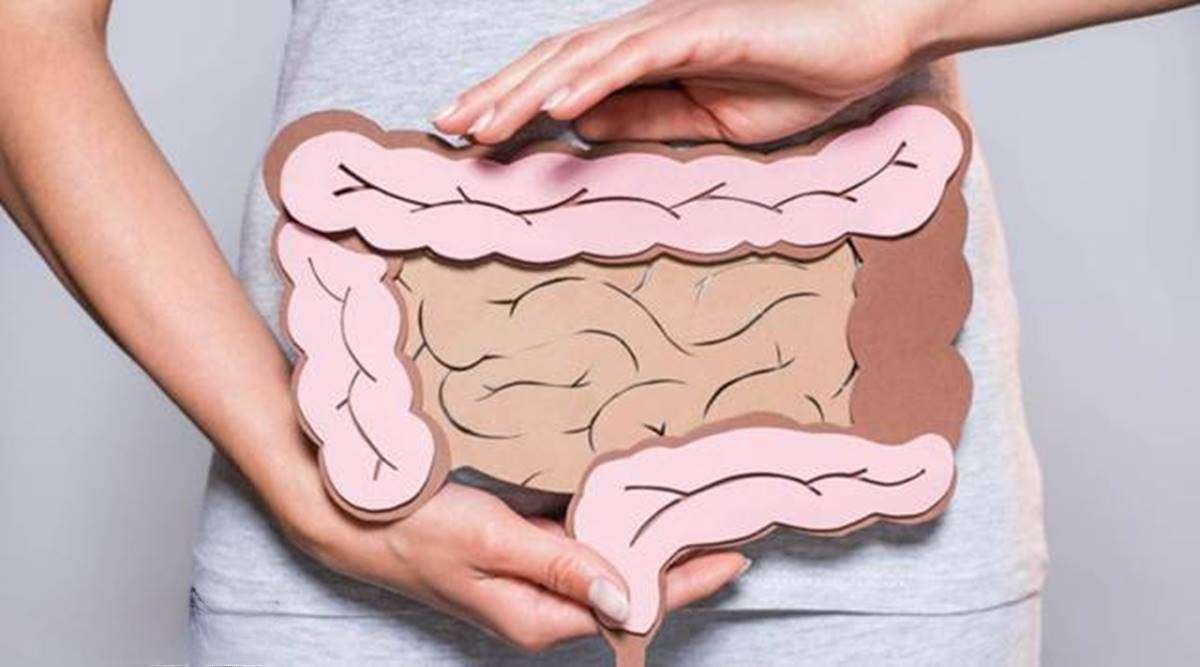
If you care about gut health, 2026 brings two complementary trends worth knowing: microbiome-aware personalised probiotics and time-tested Ayurvedic gut-support strategies. Combining targeted modern supplements with dietary, lifestyle and Ayurvedic practices can help digestion, reduce bloating, and support long-term metabolic and immune wellness.
The Gut health problem
Many people experience bloating, irregular bowel habits, low energy, food sensitivities or brain fog and try one-size-fits-all probiotic capsules or quick diets that don’t last. Without an individualised approach, supplements may be ineffective and habits unsustainable. A balanced plan—rooted in personalised probiotic choices, food patterns and Ayurvedic principles—gives better, longer-lasting results.
What “personalised probiotics” means
Personalised probiotics are chosen to match a person’s symptoms, goals and, ideally, gut profile. Instead of taking random multi-strain blends, personalised approaches consider:
- Symptom pattern (constipation, diarrhoea, bloating, SIBO-like symptoms).
- Targeted strains known for specific effects (e.g., certain Lactobacillus or Bifidobacterium strains for stool consistency or for post-antibiotic recovery).
- Timing, dose (CFU) and formulation (enteric-coated, spore-formers) that suit the individual.
Some practitioners use stool-based microbiome reports, symptom history, diet and medication history to recommend the best strain(s) or synbiotic (probiotic + prebiotic) approach.
Practical takeaways: Don’t expect every probiotic to work the same. If one brand fails after an honest trial (4–8 weeks), consider a different, targeted strain or professional guidance.
Ayurvedic foundations for gut health
Ayurveda frames digestion as agni (digestive fire) and balance of doshas. Key Ayurvedic principles that support modern gut science include:
- Strengthen agni: Regular meal times, warm cooked foods, and digestive spices (jeera/cumin, hing/asafetida, black pepper, ginger) support digestion.
- Light, balanced meals: Favor easily digestible grains (millets, rice), lentils and cooked vegetables when digestion is weak.
- Herbal tonics: Triphala for gentle bowel regularity, ginger and licorice for soothing digestion, and warm fennel after meals to reduce bloating — use under practitioner guidance.
- Nascent lifestyle rhythms: Follow consistent sleep/wake patterns and modest meal spacing to avoid overeating and restlessness in the gut.
Combining these with personalised probiotics creates a complementary strategy: Ayurveda improves substrate and environment, probiotics modulate the microbial players.

How to choose a personalised probiotic (practical steps)
- Identify the problem pattern: constipation, diarrhoea, post-antibiotic recovery, recurrent bloating, or IBS-like symptoms.
- Try evidence-aligned strains short-term: for example, some Bifidobacterium strains help constipation; certain Lactobacillus strains ease occasional diarrhoea — follow product dosing and try for 4–8 weeks.
- Consider delivery & quality: choose products with clear strain IDs (species + strain code), expiration/CFU at expiry, and reputable manufacturing.
- Add prebiotic foods gradually: legumes, oats, bananas, onions and cooked leeks feed beneficial microbes — introduce slowly to avoid excess gas.
- If symptoms worsen or are complex, seek testing & guidance: stool or breath tests can be useful in select cases (SIBO, parasites), but are not always required.
Diet, timing & foods that support both probiotics and Ayurvedic balance
- Include fermented foods (curd/yogurt, idli/dosa, fermented vegetables) as food-level probiotics where tolerated.
- Gentle, cooked breakfasts (poha, khichdi, porridge) stabilise blood sugar and support agni in the morning.
- Use digestive spices in cooking (turmeric, cumin, coriander, ginger) to aid digestion and reduce inflammation.
- Limit high-FODMAP spikes if you notice gas/bloating — a short trial of reduced fermentable carbs under guidance may help.
- Stay hydrated and move daily to support bowel motility and microbial diversity.
Lifestyle habits that matter
- Consistent meal timing to support rhythm of digestion and microbes.
- Sleep & stress management: Poor sleep and chronic stress shift the microbiome unfavourably — prioritize sleep and simple stress tools (breathing, short walks).
- Avoid unnecessary antibiotics and discuss alternatives with your clinician when appropriate.
- Regular light exercise boosts microbial diversity and gut transit.
When to get professional consultation
Seek a consultation if you have any of the following: persistent bloating or pain, unexplained weight change, blood in stool, frequent diarrhoea or constipation despite attempts to change diet, severe reflux, or if you plan to start long-term probiotic and herbal regimens while on medications. A trained clinician can combine symptom review, targeted testing (when needed), and a personalised plan that blends probiotic strains, prebiotic dosing, Ayurvedic herbs and lifestyle prescriptions.
Sample 7-day starter framework (balanced & practical)
- Day 1–2: Simplify meals — cooked breakfasts, steamed vegetables, avoid processed snacks; add warm ginger tea after meals.
- Day 3–4: Introduce a short trial probiotic (as recommended) alongside fermented food (small servings).
- Day 5–6: Add prebiotic foods slowly (oats, banana, cooked onion); use cumin-fennel after meals.
- Day 7: Review symptoms — energy, bloating, stool consistency — and decide whether to continue, adjust diet, or seek consultation.
FAQ (short)
Q: Are probiotics safe for everyone?
A: Most healthy adults tolerate probiotics well, but people with severe immune suppression, critical illness, or recent major surgery should consult a clinician first.
Q: How long before I see results?
A: Some people notice improved regularity or less bloating in 2–8 weeks; others need longer or a different strain. Monitor and adjust.
Q: Can Ayurvedic herbs replace probiotics?
A: Ayurveda offers powerful supportive herbs and lifestyle prescriptions that change the gut environment; in many cases, herbs and probiotics work best together rather than replacing one another.
Conclusion
Gut health in 2026 is best approached as an individualized, integrated plan: targeted probiotics chosen for your needs, supportive prebiotic foods, and Ayurvedic practices that strengthen digestion and daily rhythm. If you have persistent or complex gut symptoms, get a professional consultation to create a safe, personalised program that fits your lifestyle.
Consider booking a consultation with a qualified practitioner for tailored testing, strain selection and a combined Ayurvedic + microbiome plan.
