
-
 admin
admin - Posted on
- Categories:Home Remedies
- 0 comments

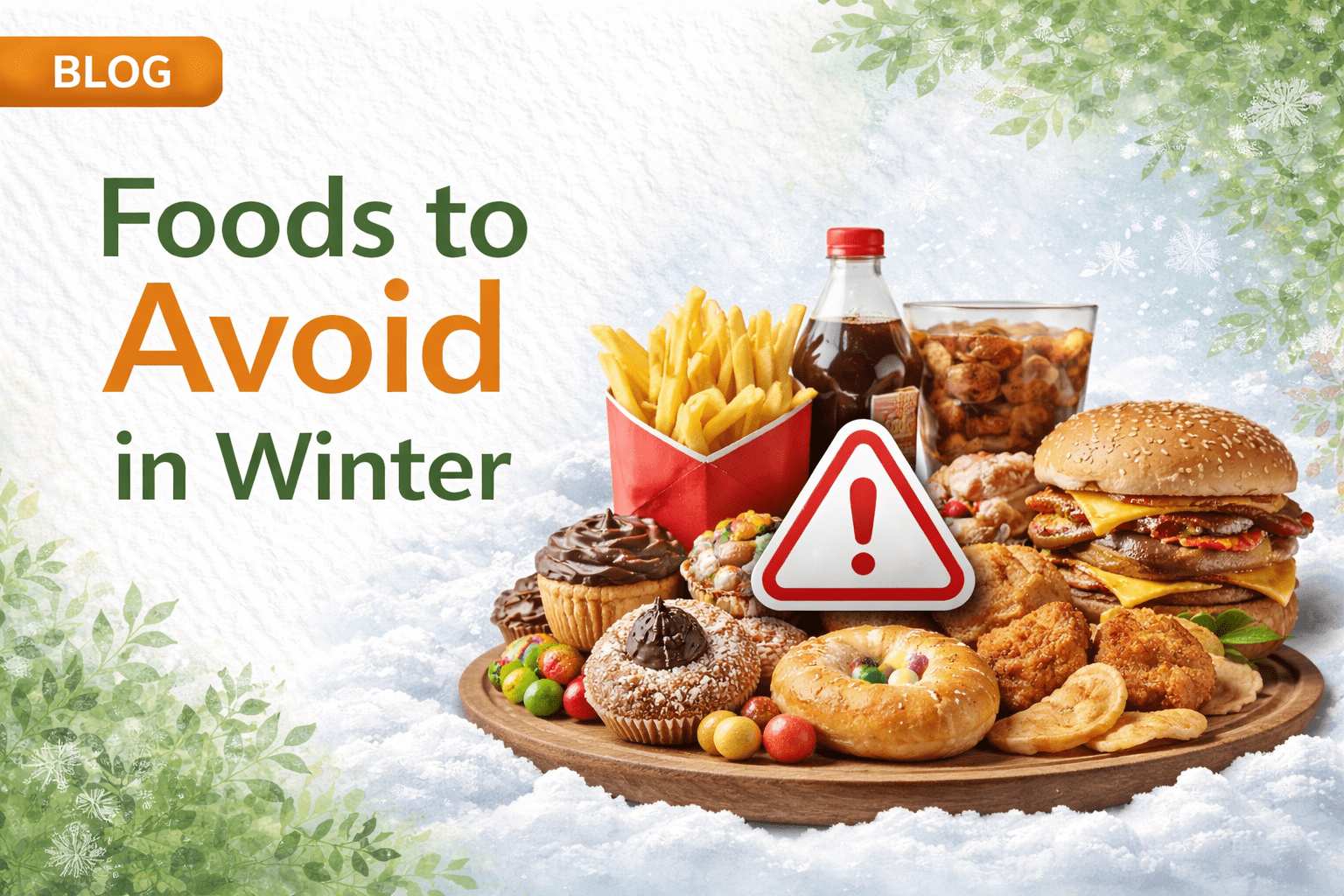
If you’re thinking about Foods to avoid in winter, focus on choices that reduce throat irritation, excess mucus and coughing. Some foods commonly eaten in cold months can thicken phlegm or trigger more coughing in sensitive people. This guide explains which foods to avoid, why they can make symptoms worse, safe alternatives, a simple winter meal plan, and when to seek a consultation.
Why diet matters for winter phlegm and cough
In winter many people get more mucus because of cold air, dry indoor heating and seasonal viral infections. Certain foods — especially cold, mucous-forming or highly processed items — can increase throat coating or make mucus thicker for some individuals, leading to more coughing or slower clearing of the airways. Individual responses vary, so watch how your body reacts and adjust accordingly.
Top foods to avoid in winter
1. Cold drinks and iced foods
Iced water, cold smoothies, ice creams and chilled beverages can chill the throat and airways, sometimes increasing cough reflex or perception of phlegm in sensitive people.
Swap for: warm water, herbal teas (ginger, tulsi), warm milk with a pinch of turmeric.
2. Excess dairy (for those who notice more mucus)
Whole milk, heavy cream, soft cheeses and milkshakes are commonly blamed for thicker mucus in some individuals. If you notice more phlegm after dairy, reduce portions or prefer fermented dairy (curd/yogurt) which is easier to digest for many.
Swap for: warm curd (if tolerated), buttermilk diluted with water, or dairy alternatives if dairy triggers you.
3. Very oily, fried and junk foods
Greasy samosas, deep-fried snacks, and fast food may increase inflammation and leave you feeling heavy — this can worsen cough-related discomfort and hinder recovery.
Swap for: baked or air-fried snacks, roasted chickpeas, warm soups.
4. Refined sugar and sweets (excess)
High sugar intake can increase inflammation and feed throat irritation in some people. Frequent sweets or sugary drinks can also reduce immune resilience over time.
Swap for: fruit, small portions of dark chocolate, warm fruit compotes with cinnamon.
5. Heavy, cold salads & raw foods in very cold weather
Large bowls of raw salad first thing on a freezing morning can be hard on digestion for some and may lead to belching or throat discomfort that triggers cough. Cooked vegetables are gentler in winter.
Swap for: lightly cooked seasonal vegetables, warm dals and vegetable soups.
6. Mucus-promoting processed dairy treats (ice cream + sweets)
Frozen desserts and creamy packaged sweets often combine dairy, sugar and stabilizers that some people find harder to clear from the throat.
Swap for: warm milk with turmeric or baked fruit desserts.
7. Excess banana & very sticky starches (individual sensitivity)
In traditional systems and in some personal experiences, very sticky or mucilage-rich foods (overripe bananas, heavy rice puddings) can feel “heavier” in the chest for some people. If you notice this, reduce portion size.
Swap for: apples, pears, or millets prepared warm.

Cooking & eating habits that help reduce phlegm
- Prefer warm meals: soups, stews, porridges and cooked grains are soothing in winter.
- Smaller, more frequent meals: avoid overeating which can push mucus up and worsen reflux-related cough.
- Use digestive spices: ginger, black pepper, cumin, cinnamon and turmeric can support digestion and thin mucus. Add them to teas or food.
- Stay hydrated with warm fluids: warm water, herbal teas and broths help thin secretions and make clearing easier.
- Avoid late-night heavy meals: lie-down after a heavy meal can worsen cough due to reflux or post-nasal drip.
Quick 1-day winter-friendly sample menu
- Breakfast: warm porridge with grated apple, cinnamon and a few chopped almonds.
- Mid-morning: warm ginger tea or tulsi infusion.
- Lunch: khichdi or warm lentil soup with cooked greens and cumin.
- Snack: roasted chana or a small bowl of stewed pear with cardamom.
- Dinner: vegetable stew with millet or brown rice (small portion); finish 2–3 hours before bed.
When to avoid self-care and get a consultation
See a clinician if you have:
- Cough lasting more than 2–3 weeks, or getting worse.
- High fever, shortness of breath, chest pain, or coughing blood.
- Thick, greenish mucus with persistent fever (possible bacterial infection).
- Repeated winter flare-ups despite dietary changes — you may need allergy testing, imaging, or a tailored treatment plan.

For personalised dietary guidance, allergy checks or a combined medical + Ayurvedic plan, book a professional consultation with Us. To Book Personalised Consultation Click here
Practical checklist — do this this winter
- Replace iced drinks with warm teas.
- Reduce fried & highly processed snacks.
- Cook vegetables instead of eating very large raw salads on cold mornings.
- Add ginger, turmeric and black pepper to meals and teas.
- Monitor dairy — reduce if you notice increased phlegm.
- Stay hydrated: warm sips throughout the day.
Conclusion
Being mindful about Foods to avoid in winter can reduce phlegm and cough for many people. The easiest wins are warm fluids, cooked seasonal foods, gentle spices and cutting down on fried, sugary and very cold items. If symptoms persist, get a professional consultation for testing and a personalised plan.
