
-
 admin
admin - Posted on
- Categories:Home Remedies
- 0 comments

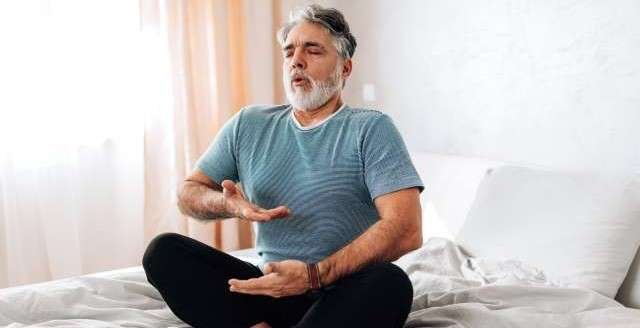
Breathing exercises are one of the simplest, safest and most effective ways to support lung health naturally. Whether you suffer from seasonal coughs, mild breathlessness after illness, pollution-related throat irritation, or simply want stronger lungs, regular, guided breathing can help clear mucus, improve lung capacity and strengthen respiratory muscles. In this blog I’ll share practical, Ayurvedic-friendly breathing techniques, step-by-step instructions, precautions and lifestyle tips you can start today.
The problem
Winter, seasonal changes, pollution and post-viral recovery often leave people with tight chests, lingering cough, excess phlegm or a feeling of shallow breathing. Poor posture, weak diaphragmatic function, and long periods of sitting (desk jobs) further reduce lung efficiency. Many people try quick fixes — cough syrups or repeated antibiotic courses — without addressing the root: weak breathing patterns and stagnant mucus. That’s where targeted breathing exercises help: they re-train your lungs and clear secretions naturally when practiced consistently.
Why breathing exercises help
- Promote deeper airflow to small airways and alveoli, improving oxygen exchange.
- Mobilise and loosen mucus, making it easier to cough out.
- Strengthen the diaphragm and intercostal muscles for more efficient breathing.
- Reduce stress and lower respiratory rate — helpful for asthma triggers and anxiety-related breathlessness.
- Complement Ayurvedic practices (steam, warm drinks, herbs) to support natural healing.
How to prepare: simple tips before you start
- Choose a quiet, ventilated place. Early morning or after a warm shower is ideal.
- Sit upright — cross-legged, on a chair with feet flat, or lie on your back with knees bent for beginners.
- Wear loose clothes. Keep a glass of warm water or herbal tea nearby.
- If you have severe lung disease (COPD), recent cardiac events, uncontrolled high blood pressure, or are pregnant, consult a doctor before starting.
7 breathing exercises to clean lungs naturally
1. Diaphragmatic (Abdominal) Breathing — the foundation
How to: Sit comfortably. Place one hand on your chest and one on your belly. Breathe in slowly through the nose — feel the belly rise (not the chest). Exhale slowly through pursed lips; feel the belly fall.
Reps: 5–10 minutes daily.
Benefit: Teaches deep belly breathing, increases alveolar ventilation, reduces shallow chest breathing.
2. Long Exhalation with Pursed Lips (helps clear airways)
How to: Inhale slowly through the nose for 3–4 seconds. Exhale through pursed lips for 6–8 seconds (like blowing through a straw).
Reps: 8–12 cycles, 2–3 times daily.
Benefit: Keeps small airways open longer, reduces breathlessness, and helps mobilise mucus.
3. Anulom Vilom (Alternate Nostril Breathing) — Ayurvedic classic
How to: Sit straight. Use right thumb to close right nostril; inhale left nostril. Close left with ring finger and exhale through right. Inhale right, close, exhale left. That’s one cycle.
Reps: 5–10 minutes daily.
Benefit: Balances autonomic nervous system, improves respiratory rhythm and nasal hygiene.
4. Kapalbhati (Skull-shining breath) — active detoxifying pranayama
How to: Sit upright. Take a deep inhale, then exhale forcefully by contracting the abdomen (passive inhalation follows). Start slow — 20–30 pumps per set.
Reps: 1–3 sets, with rest between. Beginners should learn under guidance.
Benefit: Clears upper airways, tones abdominal and diaphragmatic muscles, stimulates lung clearance. Precaution: Avoid if you have high BP, heart disease, or are pregnant.
5. Bhramari (Bee Breath) — soothes airways and reduces cough reflex
How to: Inhale deeply through the nose. Exhale slowly while making a low humming sound like a bee. Keep the mouth closed. Feel vibration in the face and throat.
Reps: 6–10 rounds.
Benefit: Calms irritation in the throat, reduces cough frequency and improves airflow.
6. Huff Cough + Controlled Cough (for mucus clearance)
How to: Take a medium breath in, hold 1–2 seconds, then forcefully exhale with an open mouth making a huff sound (as if fogging a mirror). Follow with two gentle coughs while keeping the abdominal muscles engaged.
Reps: 3–4 times after other breathing exercises or whenever you feel congestion.
Benefit: Helps move mucus from smaller airways to larger airways so it can be coughed out safely.
7. Box Breathing (4-4-4-4) — improve lung capacity and calmness
How to: Inhale for 4 counts, hold for 4, exhale for 4, hold for 4. Repeat 6–10 cycles.
Benefit: Increases breath control, reduces stress-related rapid breathing, and improves overall respiratory efficiency.
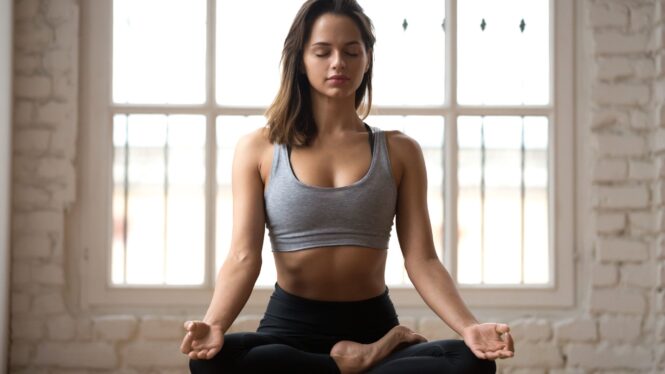
How often and progression
- Start with 10–15 minutes daily (mix 2–3 exercises).
- Gradually increase to 20–30 minutes total per day over 4–6 weeks.
- Combine active techniques (Kapalbhati, huff cough) with restorative ones (diaphragmatic, Anulom Vilom).
- Track progress by noting less shortness of breath, deeper sleep, and easier activities like climbing stairs.
Ayurvedic and natural supports to pair with breathing
- Steam inhalation with a few drops of tulsi (basil) or eucalyptus for 5–8 minutes helps loosen mucus.
- Warm herbal teas: Tulsi, ginger, mulethi (licorice) blends soothe throat and support immunity.
- Diet: Avoid cold/raw drinks and heavy dairy if you have excess phlegm; prefer warm, light soups and spiced teas to support Agni (digestive fire).
- Nasal care: Daily saline nasal irrigation (neti) removes pollutants and reduces sinus congestion.
- Gentle chest massage with warm sesame oil can help loosen secretions in mild congestion.
Precautions & when to seek medical help
- If you experience severe breathlessness, high fever, blue lips, chest pain or fainting — seek immediate medical care.
- People with uncontrolled hypertension, heart disease, glaucoma, recent surgery, or those who are pregnant should consult a physician before doing forceful pranayama.
- If symptoms (persistent cough, wheeze, sputum production) last more than 2 weeks or worsen, consult a doctor and consider chest evaluation.
Daily routine suggestion
- Morning: 5–10 minutes diaphragmatic breathing + Anulom Vilom, then warm water.
- Midday: Gentle pranayama (box breathing) after light walk.
- Evening: Steam inhalation + Bhramari to relax throat before sleep.
- Weekly: Practice Kapalbhati once or twice if comfortable and cleared by your doctor.

If you’d like personalised guidance — for example, a breathing plan matched to your symptoms (post-covid cough, asthma, pollution-related issues) or safe pranayama progressions — get a FREE consultation from Vedic Upchar here: https://vedicupchar.com/doctor-consultation/
Quick checklist to implement this week
- Try 5 minutes diaphragmatic breathing each morning for 7 days.
- Add one calming exercise (Bhramari or Box breathing) at night.
- If comfortable, practice Kapalbhati under guidance once this week.
- Keep a small journal: note energy, sleep quality, cough frequency.
Breathing exercises are gentle, low-cost, and powerful when done consistently. They work best alongside good air hygiene, warm seasonal diet, and simple Ayurvedic supports. If you need a step-by-step personalised plan — or have health conditions that need monitoring — please get a consultation with Vedic Upchar: https://vedicupchar.com/doctor-consultation/
