
-
 admin
admin - Posted on
- Categories:Home Remedies
- 0 comments

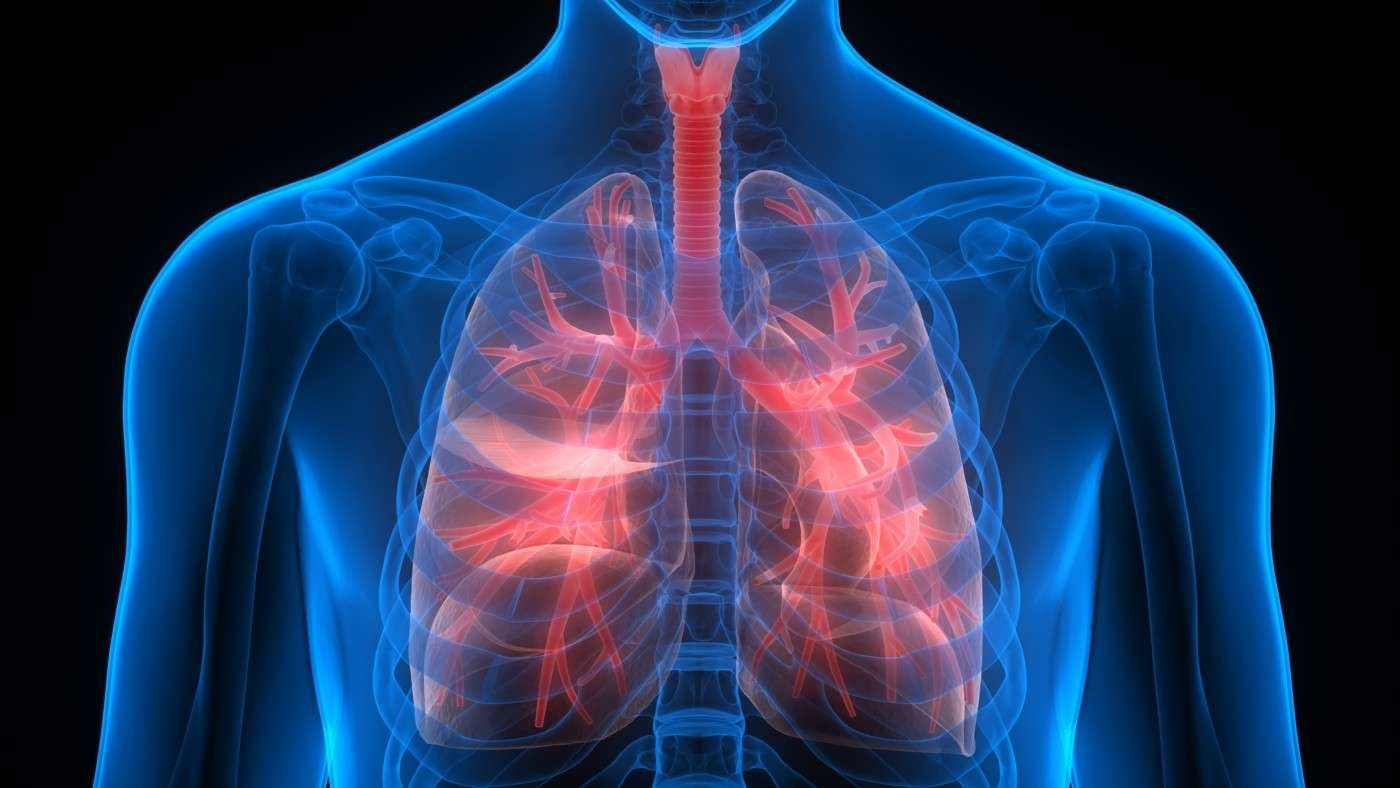
If you want stronger lungs, fewer coughs and better breathing resilience, using well-chosen herbs for respiratory support can help. This practical, evidence-aware guide lists the best Ayurvedic herbs, explains how they work, gives safe home uses and cautions, and tells you when to see a clinician. For personalised, medicine-aware plans, book a consultation with Vedic Upchar: https://vedicupchar.com/doctor-consultation
The problem — why respiratory strength matters
Airway infections, seasonal irritants, allergies and low baseline immunity all weaken respiratory health. Strengthening the respiratory system focuses on thinning and clearing mucus, reducing airway inflammation, supporting local immunity and improving overall lung resilience — goals Ayurveda addresses with specific herbs and gentle routines.
Top Ayurvedic herbs for respiratory strength
1. Tulsi (Holy basil) — anti-inflammatory, adaptogenic
Use: Fresh leaves or tulsi tea 2–3 times daily for mild cough, throat irritation and overall immunity support.
Caution: safe for most adults; avoid large, concentrated extracts in pregnancy without clinician approval.
2. Vasaka / Adhatoda (Adhatoda vasica) — expectorant & bronchodilatory effects
Use: Vasaka leaf decoction (kwath) or standardized extract supports mucus clearance and eases cough. Traditionally used in short courses for acute cough.
Caution: consult if pregnant, breastfeeding, or on medicines for heart/liver disease.
3. Mulethi / Licorice (Glycyrrhiza glabra) — demulcent, soothes throat
Use: Small amounts as warm decoction or lozenge soothe sore throat and reduce irritation. Helpful as a supportive syrup base.
Caution: prolonged high doses can raise blood pressure and cause potassium loss — avoid long-term unsupervised use in hypertension or pregnancy.
4. Pippali (Long pepper, Piper longum) — digestive + respiratory rasayana
Use: Small amounts (powder or in formulations) warm the airways, improve expectoration and support digestion (which in Ayurveda aids respiratory health). Often used with honey or ghee in classical rasayana mixes.
Caution: warming — start low if you have acid reflux or Pitta imbalance.
5. Haritaki (Terminalia chebula) — mild expectorant and rejuvenator
Use: In powders or as part of Triphala, haritaki supports mucociliary clearance and bowel regularity — both useful for respiratory recovery.
Caution: can be laxative in higher doses; adjust dose if you have loose stools.
6. Amla (Indian gooseberry) — vitamin C–rich, antioxidant support
Use: Fresh fruit, amla juice or Chyawanprash (short-term) to support mucosal immunity and recovery after infections.
Caution: acidic — take with water or mix in preparations to reduce stomach upset.
7. Ginger & Turmeric (culinary rhizomes) — anti-inflammatory & warming
Use: Fresh ginger tea with turmeric and black pepper helps thin mucus and reduce airway inflammation. Safe daily culinary use; excellent for symptomatic relief.
Caution: ginger may increase gastric acidity in some people — adjust amount.
8. Kantakari / Kantakari (Solanum xanthocarpum) — classical mucolytic & bronchodilator (used in rasayana formulas)
Use: Often found in classical formulations for bronchitis and chronic cough; best used under practitioner guidance.
Simple, safe home preparations (how to use these herbs)
Use gentle preparations rather than high-dose extracts unless advised.
- Tulsi-ginger tea: simmer 6–8 tulsi leaves + 1 slice fresh ginger in 2 cups water for 5–7 min. Strain and sip warm. Use 1–3 cups/day.
- Vasaka decoction (short course): simmer vasaka leaves (or prepared cut herb) per classical recipe — use only if you have access to quality herb or under guidance.
- Mulethi throat syrup: small mulethi decoction + honey (for adults) soothes throat (use honey only for >1 year).
- Ginger-turmeric tonic: warm water with grated ginger, a pinch of turmeric and a dash of black pepper — excellent for daily support.
- Steam inhalation (gentle): plain steam or with a few tulsi leaves; avoid essential oils for children and people with asthma.
How to combine herbs & when combinations help
- Acute productive cough: vasaka + mulethi + ginger (short therapeutic course under guidance).
- Post-viral recovery: amla + haritaki (Triphala/Chyawanprash) for mucosal repair and immunity.
- Chronic airway sensitivity / asthma adjuncts: herbs may support but never replace prescribed inhaled bronchodilators/steroids — always coordinate with your clinician.
Dosage, safety and interactions — practical rules
- Start low and observe: begin with one cup of tea or a small decoction and monitor response.
- Short courses for potent herbs: vasaka and pippali are best used for defined short periods unless supervised.
- Watch drug interactions: licorice can affect blood pressure and potassium; some herbs may influence blood sugar or interact with anticoagulants.
- Children, pregnancy, chronic disease: consult before use.
- Quality matters: use trusted, batch-tested sources — herb identity and purity affect safety and effect.
When herbs are not enough — get a consultation
Seek medicine-aware advice if you have:
- Recurrent or prolonged cough (>2–3 weeks).
- Breathlessness, audible wheeze, chest pain, or coughing blood.
- Recurrent infections, fever, or unexplained weight loss.
- Existing lung disease (asthma, COPD), or you are on regular medicines — herbs must be coordinated with medical therapy.

For personalised assessment, safe herb selection and dosing, book a FREE consultation with Vedic Upchar: https://vedicupchar.com/doctor-consultation
Practical daily plan to strengthen respiratory health (7–14 day starter)
- Morning: warm water + 1 cup tulsi-ginger tea.
- Midday: cook with turmeric and black pepper; include pippali modestly in curries or rasayana mixtures.
- Evening: a small serving of amla/chyawanprash or warm amla drink (if tolerated).
- Night: avoid heavy late meals; keep bedroom air clean and mildly humidified.
Track symptoms (cough frequency, breathlessness, sleep) and adjust with clinician guidance.
FAQ
Q: Can herbs replace inhalers for asthma?
A: No. Herbs can support respiratory health but must not replace prescribed inhaled medicines. Always coordinate with your doctor.
Q: How soon will I notice benefit?
A: Mild symptomatic relief (less throat irritation, easier expectoration) can appear in days; meaningful improvements in resilience often take weeks of consistent use.
Q: Are these herbs safe with antibiotics or steroids?
A: Some are safe; others interact. Always tell your clinician about any herbs you take so they can check interactions.
