
-
 admin
admin - Posted on
- Categories:Home Remedies
- 0 comments

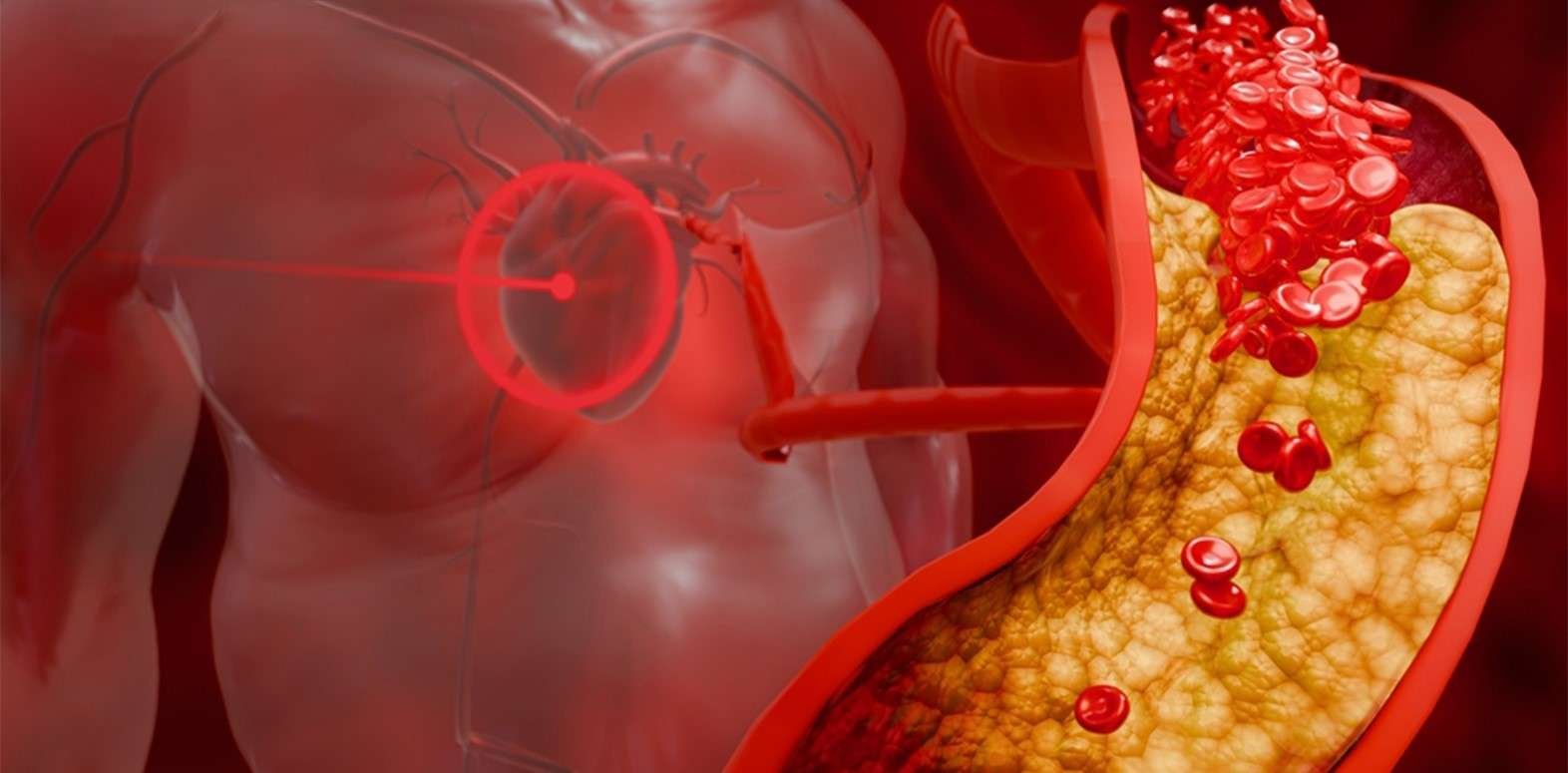
If you’re focused on Managing Cholesterol, lifestyle changes are the most powerful first step. Ayurveda adds time-tested dietary, herbal and routine-based tools to support heart and metabolic health. This Yoast-friendly guide explains the problem, evidence-based lifestyle changes, Ayurvedic supports (what has research), safety notes, a 7-day starter plan, and when to get personalised care. For a tailored plan that fits your health history, get a consultation from Vedic Upchar: https://vedicupchar.com/doctor-consultation.
The problem
High cholesterol — particularly raised LDL (“bad”) cholesterol — often has no symptoms yet increases risk of heart disease and stroke. Many people rely only on medication or quick fixes without addressing diet, activity, weight and sleep — the root drivers. Public health bodies emphasise that diet, weight loss and physical activity are essential for effective Managing Cholesterol.
How Ayurveda frames Managing Cholesterol
Ayurveda links metabolic imbalance to weakened agni (digestive fire), accumulation of ama (metabolic toxins) and Kapha-related stagnation (heaviness, lipid deposition). The Ayurvedic strategy for Managing Cholesterol focuses on:
- Strengthening digestion and metabolism,
- Reducing ama through light, timely food and cleansing practices,
- Pacifying Kapha with warming, stimulating foods and activity, and
- Supporting circulation with herbs and Rasayana (rejuvenation) where appropriate.
Core, evidence-backed steps to manage cholesterol (do these first)
1. Clean up your diet (biggest single leverage)
- Reduce saturated fats (butter, ghee in excess, fatty meats) and trans fats.
- Increase soluble fiber (oats, barley, beans, apples, peas) — soluble fiber lowers LDL by reducing absorption.
- Add plant stanols / sterols (fortified spreads, some nuts) which block cholesterol absorption.
- Include nuts, seeds, legumes, oily fish (omega-3s) and plenty of vegetables. Small dietary shifts can cut LDL significantly over weeks.
2. Move more — exercise raises HDL and improves insulin sensitivity
Aim for at least 150 minutes of moderate-intensity aerobic activity weekly (eg brisk walking) plus two sessions of strength training. Even breaking up sitting time with short walks improves metabolic signaling.
3. Lose even a little weight if overweight
Losing 5–10% of body weight improves LDL, triglycerides and insulin sensitivity. Combine calorie-quality changes with activity for best results.
4. Stop smoking & limit alcohol
Quitting smoking and avoiding excess alcohol help lipid profiles and overall cardiovascular risk.
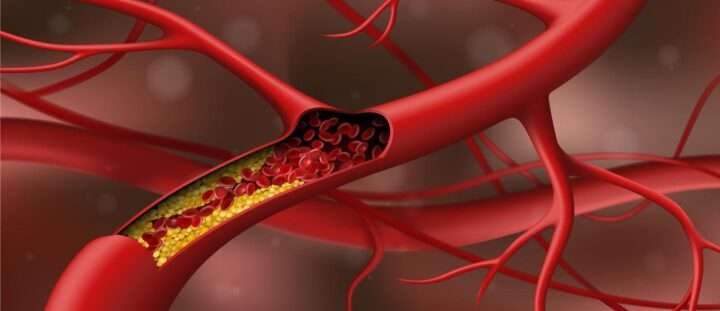
Ayurvedic foods & daily habits that support Managing Cholesterol
- Warm, cooked meals (lighter breakfasts, hearty lunch) to strengthen agni.
- Spices like turmeric, black pepper, cumin, coriander and ginger in cooking — support digestion and have anti-inflammatory effects.
- Kitchari-style meals (balanced mung dal + rice with spices) as occasional reset days to reduce ama.
- Dinacharya (regular wake/sleep, timed meals, short walks after lunch) to stabilise metabolism.
These are lifestyle foundations — safe, low-cost, and complementary to medical plans.
Ayurvedic herbs & supplements — what the trials show
Clinical trials and systematic reviews find that some Ayurvedic herbs can modestly reduce cholesterol when used alongside lifestyle measures: guggulu (Commiphora mukul), garlic (Allium sativum) and black cumin (Nigella sativa) have shown LDL and total-cholesterol reductions in randomized studies. Reported adverse effects in trials were generally mild, but quality and dosing vary across products. Always use herbs under a practitioner’s guidance.
Other herbs used traditionally or in modern formulations include Arjuna (cardio-supportive), Triphala (digestive support) and turmeric/curcumin (anti-inflammatory). Evidence strength differs by herb — some have promising data; others rely mainly on traditional use.
Safety & interactions — be careful with self-prescribing
- Herbal products vary in purity, potency and contamination risk (heavy metals are a documented concern in some Ayurvedic supplements). Quality control matters.
- Herbs can interact with statins, blood thinners, thyroid or diabetes medications. For example, garlic supplements can affect platelet function. Always check with a clinician before starting herbs.
- Recent reports also highlight rare but serious herb-related adverse events (eg liver injury with some concentrates); cautious, supervised use is essential.
A practical 7-day starter plan for Managing Cholesterol
- Day 1: Swap breakfast to oats + fruit; walk 15 minutes after lunch.
- Day 2: Add one handful of nuts (almonds/walnuts) as a snack; avoid fried foods.
- Day 3: Replace one red-meat meal with fatty fish or legumes.
- Day 4: Try a light kitchari lunch; skip late-night snacking.
- Day 5: Add two 20-minute brisk walks (or one 40-minute session).
- Day 6: Include a turmeric-pepper seasoning in meals and a fruit high in soluble fiber (apple/pear).
- Day 7: Review your week — weight, mood, sleep, and set 2 sustainable goals for next week (eg 30 more minutes moving per week, 2 extra veggies per day).
When medication is needed — and how Ayurveda fits in
Some people require statins or other lipid-lowering drugs depending on their overall cardiovascular risk. Lifestyle and Ayurvedic supports often reduce the dose needed or improve tolerance, but never stop prescribed medicines without medical approval. Work jointly with your physician and an Ayurvedic practitioner to coordinate herbs, diet, and drug therapy safely.
When to get a consultation
If you have very high cholesterol, a family history of early heart disease, diabetes, or you’re on medicines — get personalised advice. For a tailored plan combining diet, lifestyle, safe Ayurvedic medicine options and coordinated care with your doctor, get a consultation from Vedic Upchar:
👉 https://vedicupchar.com/doctor-consultation
A practitioner can review labs, check for interactions, recommend quality products and design a stepwise detox/rasayana plan if appropriate.
Quick checklist — practical actions to start Managing Cholesterol today
- Eat more soluble fiber (oats, beans, apples).
- Replace saturated fats with nuts, seeds and olive oil.
- Walk 30 minutes most days; add strength sessions twice weekly.
- Avoid tobacco; limit alcohol.
- Consider evidence-backed Ayurvedic herbs only with practitioner supervision (guggulu, garlic, black cumin).
