
-
 admin
admin - Posted on
- Categories:Uncategorized
- 0 comments

Introduction
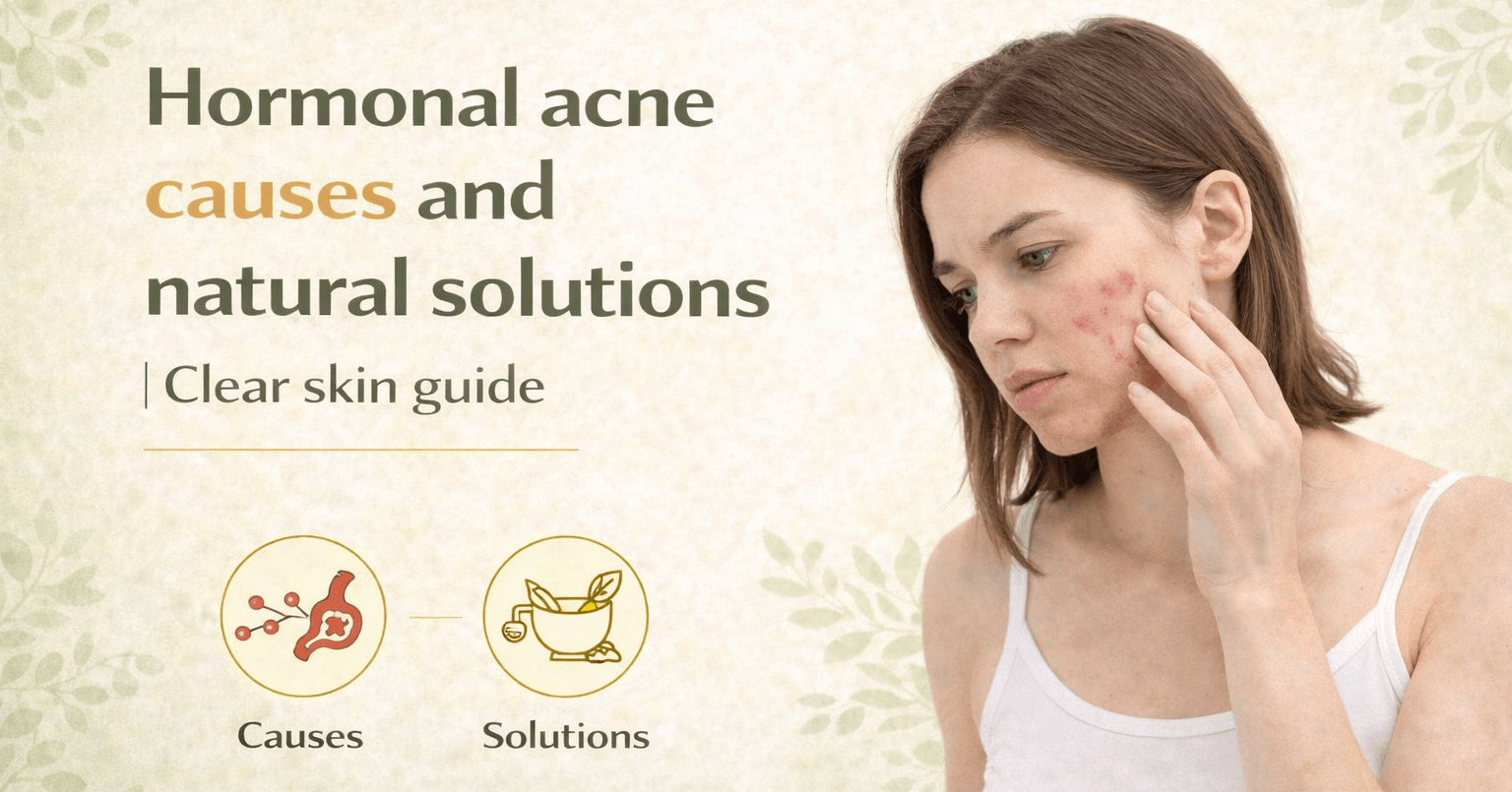
Hormonal acne is a common skin problem that often shows up in adulthood, especially on the lower face, chin and jawline. It may also flare predictably around menstrual cycles, and it can be linked with hormone changes, stress, lack of sleep and some products that clog pores. This guide explains the main causes and simple natural steps that can help calm breakouts safely.
The problem
Many people try to treat acne by washing more, using harsh scrubs, or switching products every few days. That usually makes skin more irritated, not less. Dermatology guidance recommends gentle cleansing, avoiding picking or squeezing spots, and using products that are non-comedogenic so they do not clog pores.
What causes hormonal acne?
Hormonal acne happens when hormone shifts increase oil production, which can clog pores and lead to inflamed pimples. In women, adult acne is often connected with hormone changes, and if acne starts suddenly along with irregular periods or excess facial/body hair, it can suggest an underlying hormonal imbalance such as PCOS. Stress, poor sleep, and hair or skin products that are not oil-free or non-comedogenic can also make breakouts worse.
Signs that acne may be hormonal
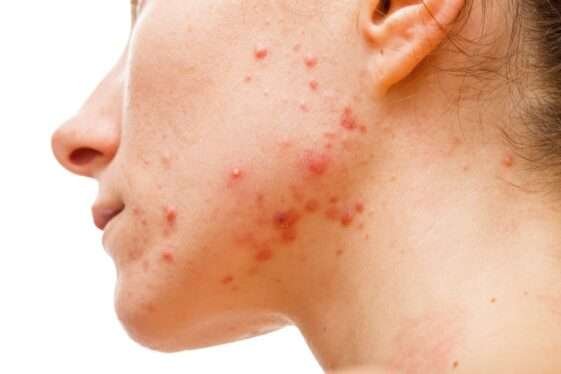
Hormonal acne often appears as stubborn breakouts on the chin, jawline, and lower face. It may also keep returning around periods or stay active even when you are otherwise careful with skin care. If acne is paired with cycle changes, unwanted hair growth, or other hormone-related symptoms, it deserves a closer look.
Natural solutions that may help
1. Keep your skin care simple
Wash affected areas gently up to twice a day with lukewarm water and a mild cleanser. Over-washing can irritate skin and make acne worse, so a simple routine is usually better than aggressive cleaning.
2. Choose non-comedogenic products
Use makeup, sunscreen, moisturizers and hair products that are labeled non-comedogenic or non-acnegenic. Oil-based or pore-clogging products can keep breakouts going even when the skin is otherwise well cared for.
3. Do not squeeze or pick spots
Picking acne can make inflammation worse and increase the risk of dark marks or scarring. Let spots heal naturally and avoid trying to “clean out” blackheads at home.
4. Improve sleep and reduce stress
Stress and lack of sleep are known contributors to hormonal acne, so a regular sleep schedule, relaxation time, and stress-reduction habits can support clearer skin. Even small changes, such as a fixed bedtime or a short evening walk, may help.
5. Use gentle acne care consistently
If your skin needs extra help, mild over-the-counter options such as benzoyl peroxide or salicylic acid are commonly used in acne care. These are not “natural” in the herbal sense, but they are simple, well-known acne ingredients that can fit into a basic routine when used carefully.
When to get medical advice
If acne does not improve after weeks of basic care, or if it is painful, leaving marks, or linked with irregular periods or other hormone symptoms, it is time to speak with a dermatologist or clinician. Adult acne is treatable, and waiting too long can make scarring or pigmentation more likely.

For personalised, medicine-aware guidance, book a consultation with Vedic Upchar: https://vedicupchar.com/doctor-consultation
Realistic expectations
Natural steps can calm irritation and support healthier skin habits, but hormonal acne often needs time and consistency. The goal is to reduce triggers, protect the skin barrier, and identify whether hormones, stress, sleep, or another underlying issue are driving the breakouts.
Conclusion
Hormonal acne is common, stubborn, and often linked to hormone changes, stress, sleep problems, and pore-clogging products. A gentle routine, non-comedogenic products, better sleep, and stress control can help, but persistent or cycle-linked acne should be checked properly. With the right plan, clearer skin becomes much more achievable.
