
-
 admin
admin - Posted on
- Categories:Home Remedies
- 0 comments


Introduction
Managing diabetes well is about more than medicines — daily habits shape blood sugar, energy and long-term health. This Yoast-friendly guide gives practical, Ayurveda-aligned tips for diabetes patients you can start today: diet, activity, stress, sleep, herbs used safely, monitoring and when to seek medicine-aware help.
The problem
Many people treat diabetes like a single task (take a pill) instead of a daily system of eating, movement, sleep and stress management. That makes blood sugar control harder and increases complication risk. Small, consistent lifestyle changes reduce glucose swings and improve wellbeing.
Core principles (Ayurveda + modern evidence)
- Build routine (dinacharya): regular wake/sleep times, planned meals and movement help metabolic stability.
- Support digestion (agni) with warm, cooked meals and mindful eating — this aligns with Ayurvedic advice and modern nutrition goals.
- Combine evidence-based habits (balanced plate, activity, stress control) with safe Ayurvedic supports, coordinated with your clinician.
Practical diet tips
- Use a balanced plate: half non-starchy veggies, one-quarter lean protein, one-quarter whole carbs (millets, brown rice, barley). This reduces post-meal spikes and is recommended in diabetes nutrition guidance.
- Prefer low-GI, high-fibre staples: millets, legumes (mung, horse gram), and whole grains fit both Ayurvedic and modern advice.
- Limit refined carbs & sugary drinks: these cause big glucose swings — replace with water, buttermilk or spiced herbal teas.
- Spices that may help (use as food, not magic): turmeric/curcumin and cinnamon show modest beneficial effects on glucose & lipids in studies — use in cooking but discuss higher-dose supplements with your clinician.
- Watch portions and meal timing: regular meals and avoiding long fasting followed by large meals stabilises blood sugar.
Movement & exercise
- Aim for ≥150 minutes/week of moderate activity (e.g., brisk walking), plus resistance work twice weekly — this lowers insulin resistance and improves glucose control. Start small and build up.
- Short 10–20 minute walks after meals blunt post-meal spikes — an easy, effective habit.
- If you take glucose-lowering meds, learn safe timing/adjustments with your clinician to avoid hypoglycaemia.
Stress, sleep & daily routine
- Chronic stress raises blood sugar via stress hormones; daily stress-reduction (breathing, short walks, meditation or yoga) helps control levels.
- Prioritise 7–8 hours sleep and consistent sleep times — poor sleep worsens insulin resistance.
- Ayurveda emphasises gentle daily routines (warm morning water, regular meals, oil massage in some cases) that support digestion and calm the nervous system. Use these alongside, not instead of, medical care.
Safe use of Ayurvedic herbs & practises
- Food-level spices (turmeric, ginger, cinnamon, fenugreek) are commonly safe and can be part of meals. For medicinal doses or extracts, always check with your doctor — they can interact with drugs or cause side effects.
- Traditional practices like pranayama, mild oil massage (abhyanga) and timed meals can improve wellbeing; coordinate these with your diabetes plan.
Monitoring, medicines & when to act
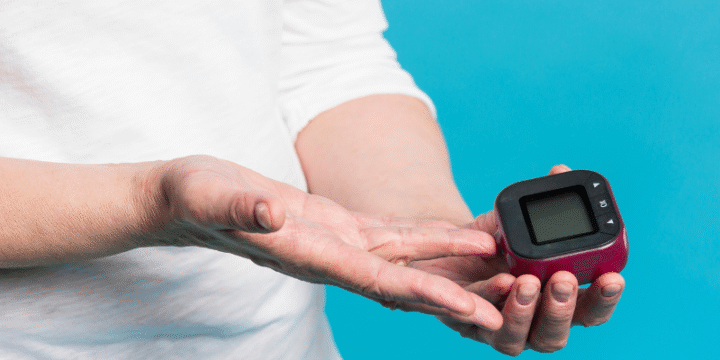
- Keep a short log of meals, activity and glucose readings for 1–2 weeks to spot patterns.
- Never stop or change medicines without clinician advice — lifestyle helps but rarely replaces prescribed glucose-lowering therapy.
- See your provider sooner if you have frequent highs or lows, unintentional weight changes, infections, wounds that don’t heal, or plans for pregnancy.
Simple 4-week starter plan
- Week 1: regular wake time + 10-minute post-meal walk after main meals.
- Week 2: swap refined carbs for one low-GI choice per meal (millet/legumes).
- Week 3: add gentle strength work twice a week (bodyweight squats, wall pushups).
- Week 4: practise 5 minutes daily breathing or guided relaxation; review glucose log and adjust with your clinician.
Realistic expectations
Lifestyle changes reduce glucose variability within weeks and improve long-term risk over months. Combining Ayurveda-friendly daily routines with evidence-based diet, exercise and medication review gives the best outcomes.
When to get personalised, medicine-aware help
If you have diabetes, take glucose-lowering medicines, or have complications — get a tailored plan that aligns Ayurveda with medical safety. Book a personalised consultation with Vedic Upchar: https://vedicupchar.com/doctor-consultation

FAQ
Q: Can Ayurveda cure diabetes?
A: Ayurveda provides supportive measures that can improve symptoms and metabolic health, but it does not reliably replace indicated medical treatments — use both under clinician guidance.
Q: Are herbal supplements safe for everyone?
A: No — some interact with medicines or have side effects. Always discuss supplements with your prescriber.
