
-
 admin
admin - Posted on
- Categories:Home Remedies
- 0 comments


Introduction
Blood sugar (glucose) naturally rises and falls during the day, but large or frequent blood sugar fluctuations cause symptoms, make diabetes harder to manage, and may increase long-term risk. This Yoast-friendly guide explains the common reasons your blood sugar moves up and down, practical steps to stabilise it, warning signs, and when to get medicine-aware help. For personalised advice, consult Vedic Upchar: https://vedicupchar.com/doctor-consultation.
The problem
Wide blood sugar swings (high peaks after meals and low troughs between meals or after medication) make people feel tired, shaky, irritable or “foggy” and make daily life unpredictable. In people with diabetes, high variability is linked to more complications; low blood sugar (hypoglycaemia) can be immediately dangerous. Regular monitoring and a plan that covers food, activity, meds and stress reduce these swings.
Main reasons blood sugar fluctuates
- What and when you eat. Large portions, high-glycaemic foods or too many refined carbs cause sharp post-meal spikes. Delayed or skipped meals can trigger lows.
- Medications & timing. Too much insulin or sulfonylureas, or taking medications at the wrong time, causes lows; missed doses or inadequate therapy cause highs.
- Physical activity or its absence. Exercise lowers glucose (sometimes hours later); inactivity raises it. Unplanned activity without adjusting food/meds can cause hypoglycaemia.
- Stress, illness and hormones. Infections, pain, emotional stress, menstrual cycles or steroid use raise glucose by releasing stress hormones.
- Absorption & digestion factors. Rapid gastric emptying, different meal composition (low fibre/protein), or some gut surgeries change post-meal glucose patterns.
- Measurement issues & variability. Glucose variability is a recognised clinical problem; continuous glucose monitoring (CGM) shows patterns that fingerprick checks may miss.
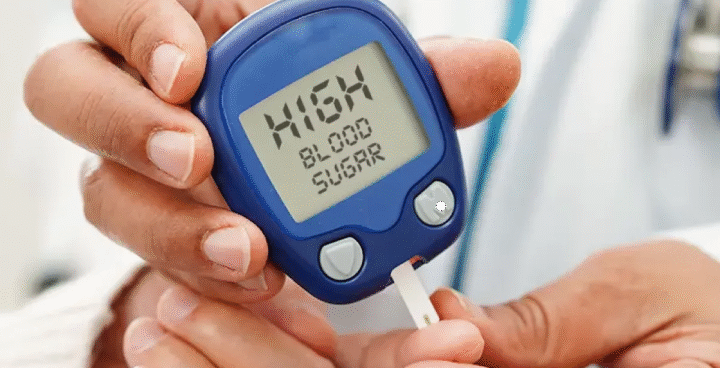
Practical steps to control blood sugar (actionable)
- Make meals balanced. Combine protein, fibre and healthy fats with carbohydrates to slow absorption and blunt spikes. Aim for regular meal timing.
- Watch portion size and type of carbs. Prefer whole grains, legumes, millets and low-GI fruits over sugary drinks and refined sweets.
- Match meds to routines. Take diabetes medicines exactly as prescribed and learn how timing interacts with food and exercise. Discuss insulin timing or rapid-acting options with your clinician.
- Use activity strategically. Short walks after meals lower postprandial spikes; planned exercise needs carb/medication adjustments to avoid late hypos.
- Monitor and learn patterns. Regular SMBG or CGM helps identify which meals, activities or stresses cause swings so you can adjust behaviour or treatment. CGM is especially useful when variability is a problem.
- Manage stress & sleep. Better sleep and stress reduction (breathing, short walks, counselling) help stabilise glucose by reducing stress hormones.
- Avoid risky supplements or sudden diet changes. High-dose herbal products or dramatic low-calorie plans can destabilise glucose and interact with meds—check first with a clinician.
How to handle low and high readings (quick guide)
- If blood sugar is low (<4 mmol/L / 70 mg/dL): treat immediately with 15–20 g fast carbs (juice, glucose tablets), recheck after 10–15 minutes and repeat if needed; follow with a protein + carb snack if your next meal is >1 hour away.
- If very high (persistent >13.9 mmol/L / 250 mg/dL) or with ketones: seek medical advice; severe hyperglycaemia needs a clinician review and may require medication change.
When fluctuations need urgent or earlier medical review
Book or seek care sooner if you have:
- Frequent hypoglycaemia (dangerous lows) or inability to recognise them.
- Large, unexplained high readings despite taking medicines.
- Symptoms of ketosis (nausea, abdominal pain, fruity breath) or illness with high glucose.
- Big day-to-day variability limiting safe activity (e.g., driving).
Your healthcare team can adjust meds, consider CGM, or investigate other causes (infections, thyroid, steroids).
Simple 2-week stabilisation plan (sample)
- Keep a short log: meal, carbs estimate, activity, meds and 4–6 glucose checks daily for 2 weeks.
- Review patterns: note meals or activities linked to peaks or lows.
- Adjust small habits: add protein/fibre at problem meals, walk 10–20 minutes after main meals, or discuss a small med timing tweak with your clinician.
- Reassess with repeat tests or CGM if advised.
Realistic expectations
Stabilising blood sugar is a stepwise process. Lifestyle changes plus correct medication adjustments usually reduce variability and symptoms within weeks; some people benefit from CGM to fine-tune treatment. Reducing long-term risk takes consistent control over months.
Get personalised, medicine-aware help
If you have diabetes, take glucose-lowering medicines, have frequent highs/lows, or are unsure why your blood sugar swings — get a targeted review. For personalised advice that coordinates medicines, diet, Ayurveda-friendly habits and monitoring, book a consultation with Vedic Upchar: https://vedicupchar.com/doctor-consultation.
