
-
 admin
admin - Posted on
- Categories:Home Remedies
- 0 comments

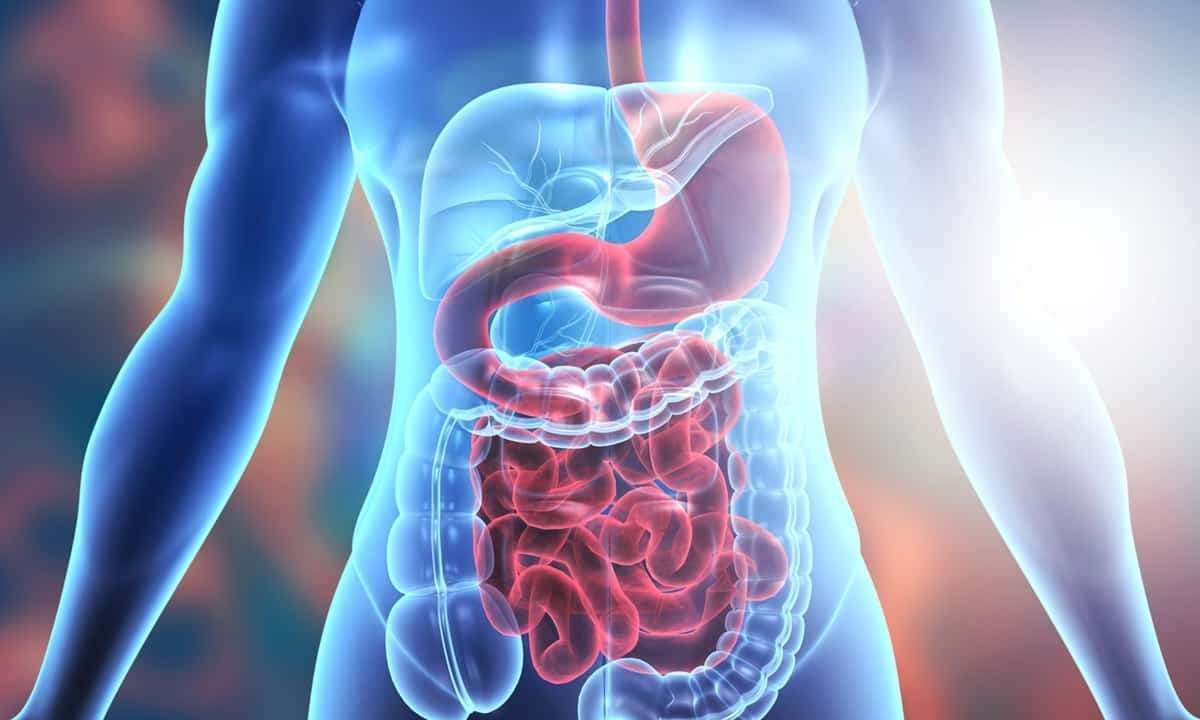
If your digestion feels sluggish — frequent bloating, heaviness after meals, constipation or poor appetite — you’re not alone. Slow digestion is common and usually reversible when you address lifestyle, diet and the medical causes that slow gastric and intestinal function. This article explains the most likely reasons, clear signs to watch for, immediate self-help steps, when to test, and how to get a personalised consultation.
What we mean by “slow digestion”
“Slow digestion” (delayed gastric emptying, weak digestive fire or low agni in Ayurvedic terms) includes symptoms such as prolonged fullness after eating, bloating, constipation, belching, and reduced appetite. It can be caused by simple habits or by underlying health problems — identifying which is vital to pick the right solution.
Common causes of slow digestion
- Poor eating habits: large meals, eating too fast, frequent snacking, late-night heavy dinners.
- Low digestive enzymes & acid: with age or chronic antacid use, gastric acid and enzyme output can fall, slowing breakdown of food.
- Low physical activity: movement stimulates gut motility; sedentary life slows transit.
- Dehydration & low fibre: insufficient fluid and fibre contribute to constipation and slow transit.
- Chronic stress & sleep problems: stress redirects blood away from the gut and disrupts motility and secretion.
- Medications: opioids, some antidepressants, anticholinergics, iron supplements and calcium-channel blockers can slow digestion.
- Medical conditions: hypothyroidism, diabetes (autonomic neuropathy), IBS with constipation, gastroparesis, Parkinson’s disease and some autoimmune disorders.
- Gut dysbiosis: an imbalanced microbiome can slow digestion and increase gas/bloating.
- Aging: gut motility and enzyme production may decline with age.
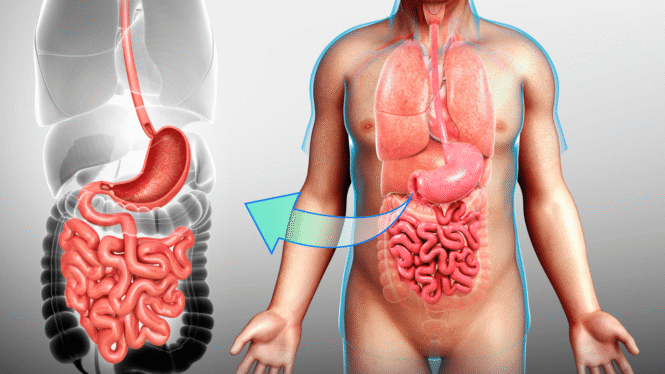
Symptoms that suggest you should see a clinician
- Severe or worsening abdominal pain.
- Unintentional weight loss or ongoing poor appetite.
- Recurrent vomiting, blood in stools, black/tarry stools.
- Long-standing constipation not responding to home care.
- New symptoms after starting a medication that could affect gut motility.
If you have any of the above, get a medical review promptly.
Simple tests your clinician may order
- Basic blood tests: CBC, TSH (thyroid), blood glucose/HbA1c, electrolytes.
- Stool tests: if infection, malabsorption or inflammatory bowel disease is suspected.
- Tests for celiac disease / malabsorption when indicated.
- Ultrasound or endoscopy: if structural stomach or intestinal disease is suspected.
- Gastric-emptying scan: if gastroparesis (very slow stomach emptying) is suspected.
- Med review: check drugs that cause slow transit.
Immediate, practical fixes you can start today
- Eat smaller, regular meals: 4–5 small meals rather than 2–3 heavy ones.
- Chew slowly & mindfully: eating slowly improves enzyme mixing and reduces bloating.
- Hydrate: aim for steady fluids through the day (avoid gulping with meals).
- Increase gentle fibre gradually: soaked fruits, cooked vegetables, oats and psyllium if tolerated — increase slowly to avoid gas.
- Move after meals: 10–20 minutes gentle walk improves motility.
- Reduce antacid overuse: antacids are useful short-term but chronic overuse can blunt digestion — discuss alternatives if you rely on them.
- Manage stress & sleep: breathing exercises, short walks, and good sleep hygiene help gut function.
- Review medicines: ask your doctor if any current medicine could be slowing gut and whether alternatives exist.
Diet & herbs that commonly help digestion
- Ginger: fresh ginger tea or grated ginger with meals eases nausea and can speed gastric emptying modestly.
- Ajwain / jeera (carom/cumin): traditional carminative spices that reduce bloating.
- Triphala (Ayurvedic): gentle bowel regulator at night for many people — use under guidance if you have chronic diarrhoea.
- Probiotics: may help when dysbiosis or post-antibiotic symptoms are present; choose a tested strain and course.
- Peppermint oil: enteric-coated peppermint can ease IBS-related bloating for some people (avoid if reflux is dominant).
Always discuss herbal or supplement use with a clinician if you take other medicines or have chronic disease.
When slow digestion is a sign of something deeper
Persistent slow digestion despite lifestyle changes — or the presence of alarm signs (weight loss, bleeding, severe pain) — needs formal evaluation. Conditions like hypothyroidism, diabetes-related neuropathy or gastroparesis need targeted medical management, sometimes including medication to improve motility.
Get personalised help (consultation)
If your digestion is frequently slow, causes day-to-day problems, or you have alarm symptoms, get a personalised, medicine-aware evaluation. A clinician will review your history, medications, order appropriate tests and create a tailored plan (diet, medications, possible imaging or referral).

Book a FREE consultation with Vedic Upchar for an integrated plan combining dietary, lifestyle and Ayurvedic supports along with medical guidance:
https://vedicupchar.com/doctor-consultation
Quick 4-week self-help plan to speed digestion
Week 1: regular wake/eat times, drink a glass of warm water on waking, chew slowly.
Week 2: add 20 min daily walk after main meal; increase vegetables and soaked fruits.
Week 3: introduce gentle digestive spices (ginger, cumin) with meals; avoid late-night heavy meals.
Week 4: trial probiotic for 4 weeks if bloating persists; review medicines and test if no improvement.
Takeaway
Slow digestion has many reversible causes — diet, activity, medicines and stress are common culprits. Start with small, consistent changes (chew slowly, hydrate, move after meals, manage stress). If symptoms are severe, persistent or accompanied by alarming signs, please get a medicine-aware consultation so tests and a personalised plan can restore healthy digestion. Book a FREE consultation here: https://vedicupchar.com/doctor-consultation.
