
-
 admin
admin - Posted on
- Categories:Home Remedies
- 0 comments

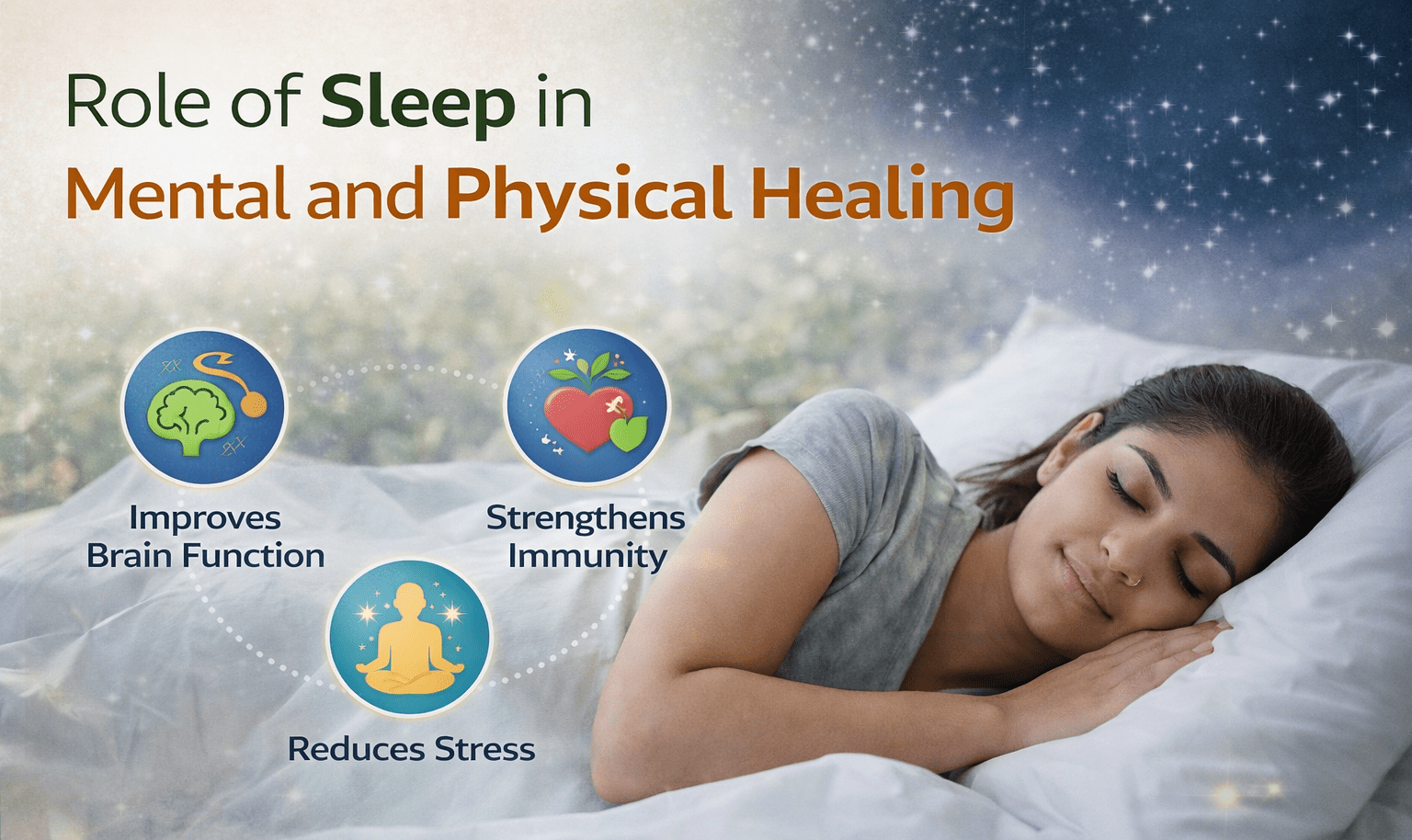
The role of sleep in recovery is huge — sleep is not just rest, it’s an active repair state that helps the brain process emotions, consolidate learning, clear metabolic waste, and helps the immune and hormonal systems rebuild the body. If you want faster recovery after illness, better mood stability, or improved physical repair (muscle, injury, inflammation), improving sleep is one of the highest-impact steps you can take.
Why sleep is healing — the core mechanisms
Sleep supports healing through multiple, complementary processes:
- Memory consolidation & emotional processing: during deep and REM sleep the brain transfers short-term memories into long-term storage and processes emotional experiences, which reduces anxiety and improves mood regulation.
- Immune system support: sleep boosts production and effectiveness of immune cells (T-cells, natural killer cells) and regulates cytokines; poor sleep weakens these responses and prolongs recovery from infections.
- Tissue repair & hormonal balance: growth hormone and other repair hormones are released during slow-wave sleep, supporting muscle repair, wound healing and metabolic regulation.
- Glymphatic clearance (brain “cleaning”): sleep increases interstitial fluid flow in the brain that clears metabolic waste (including beta-amyloid and other byproducts), which may protect cognition over the long term.
- Inflammation control: chronic sleep loss raises systemic inflammation (CRP, IL-6), which impedes healing and worsens pain. Restorative sleep reduces inflammatory signalling and speeds recovery.
Evidence you can feel
Clinically and experimentally, people who sleep well: recover faster from colds, show better rehabilitation after injury or surgery, have more stable moods, and perform better on learning tasks. Conversely, chronic short sleep or fragmented sleep predicts slower wound healing, higher infection risk and poorer mental-health outcomes. These are consistent findings across sleep medicine and immunology research.
Practical sleep habits that speed healing
- Prioritise 7–9 hours of consolidated sleep per night (individual needs vary).
- Keep a consistent schedule: same bedtime and wake time — even on weekends.
- Morning light exposure: 10–20 minutes of natural light within an hour of waking to anchor circadian rhythm.
- Create a wind-down routine: dim lights, avoid screens 60 minutes before bed, do calming practices (breathwork/journaling).
- Sleep environment: cool (18–22°C), dark, quiet and comfortable mattress/pillows. Consider eye masks or earplugs if needed.
- Avoid stimulants late in the day: caffeine after mid-afternoon and heavy alcohol before bed disrupt sleep architecture.
- Naps wisely: short naps (≤20 minutes) can restore alertness without blunting nighttime sleep; avoid long late-afternoon naps.
- Movement & nutrition: regular daytime exercise (not right before bed) and a balanced diet support sleep and repair.
Special considerations — sleep during illness, injury or stress
- During acute illness: rest more, sleep when tired, and allow longer recovery sleep — the body increases sleep drive for a reason.
- If you’re rehabbing muscle/injury: ensure deep sleep by avoiding late stimulants and managing pain adequately — pain control improves sleep quality and vice versa.
- When stressed or anxious: short breathing practices, progressive muscle relaxation, or guided imagery before bed improve sleep onset and emotional processing.
When poor sleep blocks healing — signs to act
Seek professional help if you have:
- Persistent insomnia (difficulty falling or staying asleep) lasting >3 weeks.
- Loud snoring, witnessed apnoeas (pauses in breathing), daytime sleepiness — possible sleep apnoea.
- Night sweats, unrefreshing sleep despite long time in bed, or new cognitive decline.
- Sleep problems after head injury or major surgery.

For medicine-aware assessment, therapy options, or combined lifestyle + treatment plans, book a FREE personalised consultation with Vedic Upchar: https://vedicupchar.com/doctor-consultation
Quick 2-week plan to use sleep as a healing tool
Week 1 — foundations:
- Fix wake time; get 15 min morning light; set a 60-min wind-down window.
- Track sleep in a simple diary (bedtime, wake time, perceived quality).
Week 2 — optimise:
- Introduce 10 min evening relaxation (breathing/yoga nidra).
- Remove alcohol and late caffeine; aim for consistent 7–9 hours.
- Reassess symptoms (mood, pain, healing signs) and consult if no improvement.
Common myths about sleep and healing
- Myth: “I can catch up on sleep later.” — Recovery sleep helps but chronic fragmentation damages immunity and cognition; consistent nightly sleep is better.
- Myth: “More sleep is always better.” — Oversleeping can signal underlying depression or illness and may not speed healing; aim for personalised optimal range.
- Myth: “Alcohol helps me sleep.” — Alcohol may induce sleep but fragments later sleep stages and reduces restorative deep/REM sleep.
FAQ
Q: Will sleeping more speed recovery from a viral infection?
A: Extra sleep helps immune function and can shorten symptom duration, but balance rest with light activity as tolerated and seek medical advice if severe.
Q: Can naps replace night sleep for healing?
A: Short naps help daytime function but don’t substitute for consolidated night sleep needed for hormone release and glymphatic clearance.
Q: Are sleep aids safe for healing?
A: Short-term, clinician-prescribed sleep aids can help reset sleep when necessary, but long-term use is not a substitute for behavioural sleep treatments (CBT-I) and should be supervised.
Takeaway: The role of sleep in both mental and physical healing is central — sleep actively consolidates memory, calms emotions, clears brain waste, regulates immunity and releases repair hormones. Treat sleep as a frontline therapy: prioritise consistent, high-quality sleep and consult a clinician if sleep problems persist so you can recover faster, feel better and protect long-term health.
