
-
 admin
admin - Posted on
- Categories:Home Remedies
- 0 comments

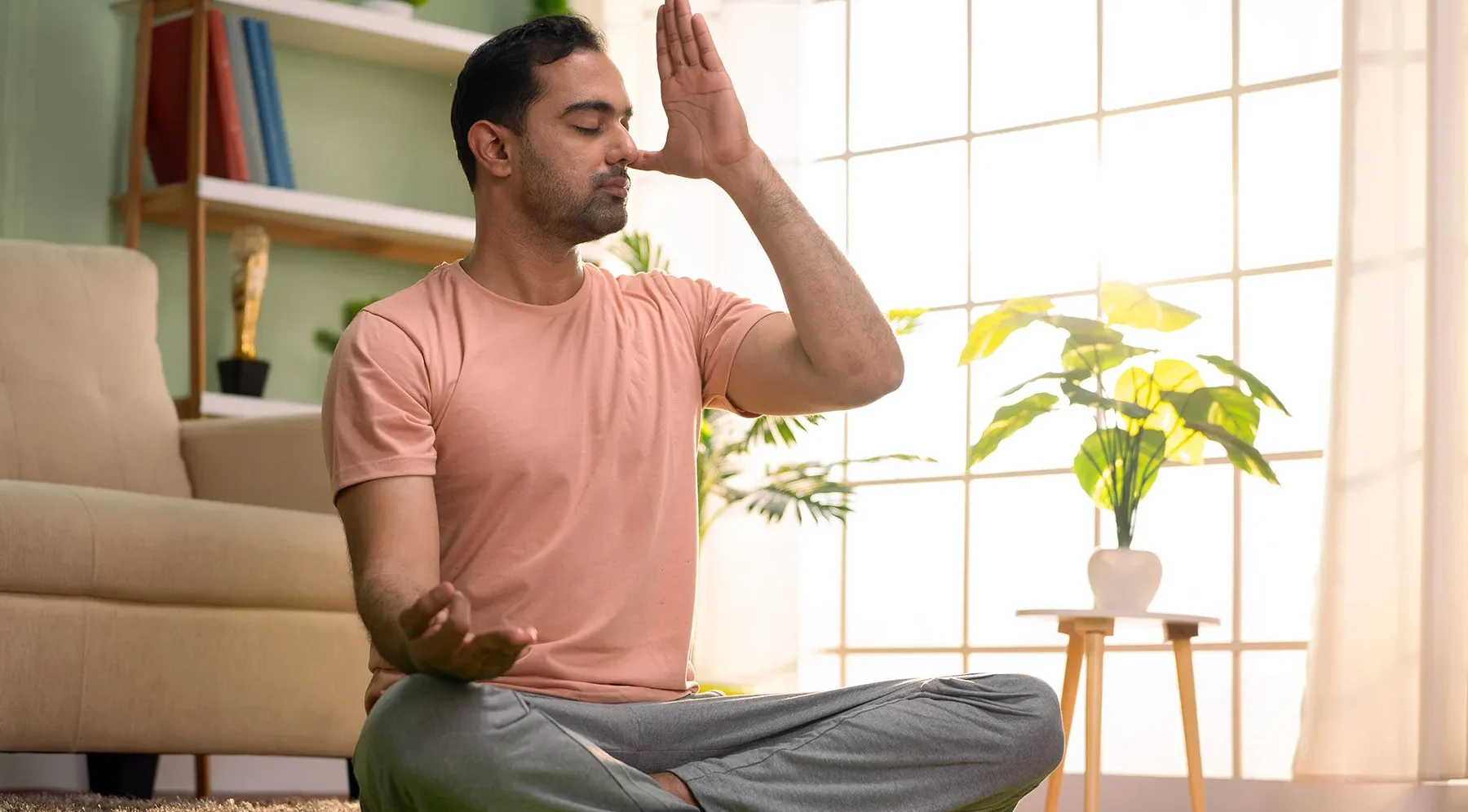
If you’re feeling stressed or anxious, short pranayama & breathing routines can be a fast, evidence-aligned way to calm your nervous system. These practices are safe, require no equipment, and work well between meetings, before sleep, or whenever you need a mental reset. This guide gives step-by-step instructions, a 7-day starter plan, safety notes and when to get a consultation.
The problem: stress, shallow breathing and rumination
When we’re stressed we breathe shallowly, increase sympathetic (“fight-or-flight”) tone, and stay trapped in anxious thinking. Over time this raises heart rate, fragments sleep and makes it harder to focus. Intentional breathing shifts us back toward parasympathetic balance (calm), lowers physiological arousal and reduces the mental loop of worry.
Why short breathing routines work
- Breathing controls CO₂ and vagal tone, which directly influence heart rate and calmness.
- Structured patterns (counts, longer exhales, alternate nostril) down-regulate stress circuits.
- Micro-practices (1–10 minutes) are actionable for busy schedules and build cumulative benefits when practised daily.
Safety first — who should take care
Most healthy people can try these routines. Take extra caution or consult a clinician first if you have:
- Severe cardiovascular disease or recent heart attack
- Uncontrolled high blood pressure
- Recent stroke, glaucoma, or detached retina risk
- Pregnancy (avoid forceful breathwork like rapid kapalabhati)
- Severe psychiatric conditions (psychosis) or a history of panic attacks that are triggered by breath-retention techniques
If any breathing practice causes dizziness, chest pain, faintness or worsening anxiety, stop immediately and sit quietly. If symptoms persist, seek professional help.
Five simple pranayama & breathing routines (step-by-step)

1) Diaphragmatic breathing (foundational) — 3–5 minutes
- Sit or lie down comfortably with one hand on your chest and the other on your belly.
- Inhale slowly through the nose for 3–4 seconds, feeling the belly rise.
- Exhale gently through the nose for 4–6 seconds, feeling the belly fall.
- Repeat for 3–5 minutes. Focus on slow, full breaths.
2) Box breathing (4-4-4-4) — 2–5 minutes
- Inhale quietly through the nose for a count of 4.
- Hold the breath gently for a count of 4.
- Exhale slowly for 4.
- Hold out for 4.
- Repeat 4–6 cycles. Use only gentle holds — never strain.
3) 4-7-8 calming breath — 4 cycles (use as sleep aid)
- Inhale quietly through the nose for 4 seconds.
- Hold the breath for 7 seconds.
- Exhale audibly (but comfortably) through the mouth for 8 seconds.
- Repeat 3–4 rounds. This lengthens the exhale and increases relaxation.
4) Nadi Shodhana / Alternate nostril breathing — 5 minutes
- Sit upright. Use right thumb to close right nostril. Inhale left nostril.
- Close left nostril with ring finger, open right nostril and exhale.
- Inhale right nostril, close it, open left and exhale.
- That’s one cycle. Continue gently for 5 minutes. Keeps mind balanced and reduces agitation.
5) Bhramari (Humming bee breath) — 2–4 minutes
- Sit comfortably, close eyes, take a deep inhale, and on exhale hum softly like a bee, feeling vibration in the face/skull.
- Pause, inhale normally, hum again. Repeat 6–10 times. Great for instant tension release and quieting the mind.
Note on Kapalabhati / Bellows breath: This is energizing and involves forceful exhalations. It can help alertness but is not recommended for beginners, hypertensives, pregnant people or those with heart issues. Learn it from a qualified teacher if you want to practise it.
Build a realistic short daily routine (7-day starter)
- Day 1 (foundation): 3 minutes diaphragmatic breathing morning + 3 minutes evening.
- Day 2: Add 3 cycles of box breathing during a mid-afternoon break.
- Day 3: Morning diaphragmatic + evening 4-7-8 before bed.
- Day 4: Try 5 minutes alternate nostril breathing after lunch.
- Day 5: Combine diaphragmatic (3 min) + bhramari (3 min) in the evening.
- Day 6: Use box breathing at work when stressed; practice 2–3 times that day.
- Day 7: Review — pick 2 favourites and make them daily habits (5–10 minutes total).
Small, consistent practice is more powerful than occasional long sessions.
Quick breathing routine for emergency anxiety (1–2 minutes)
- Sit upright and loosen tight clothing.
- Diaphragmatic inhale for 4 seconds.
- Slow exhale for 6–8 seconds.
- Repeat 6 times while focusing on the exhale.
This short pattern reduces heart rate and helps ground racing thoughts.
Integrating breathwork with other habits
- Do breathing first thing after waking to set a calm tone.
- Pair 4-7-8 with a pre-sleep routine to reduce sleep latency.
- Use bhramari or alternate nostril before public speaking or important meetings.
- Combine with short walks, light stretching, or mindful journaling for greater effect.
When to get a consultation
If anxiety is frequent, intense, causing impairment at work or home, or not improving with self-help practices, consult a qualified clinician. A professional can:
- Assess for panic disorder, generalized anxiety, depression or medical causes.
- Teach personalised breathing protocols and supervise progressive breathwork safely.
- Suggest CBT, medication (if indicated), or referrals to a certified yoga therapist for advanced pranayama training.
For tailored guidance and a personalised plan, consider booking a consultation with a qualified clinician or certified therapist.
FAQ (short)
Q: How long before I notice benefits?
A: Many people feel calmer after the first session; measurable improvements (sleep, daily anxiety) usually appear with consistent practice over 2–4 weeks.
Q: Can children learn these techniques?
A: Yes — simplified breathing (short diaphragmatic breaths, humming) works well for children; supervise and keep exercises playful and brief.
Q: Is breath-holding dangerous?
A: Gentle, short holds are typically safe for healthy people. Avoid long or forced holds if you have cardiovascular issues or feel dizzy.
Conclusion
Simple pranayama & breathing routines are a fast, accessible tool to reduce anxiety, improve focus and support sleep. Start with short daily sessions, pick two favourite practices, and scale gradually. If anxiety is persistent or severe, get a professional consultation to build a safe, personalised program.
