
-
 admin
admin - Posted on
- Categories:Home Remedies
- 0 comments

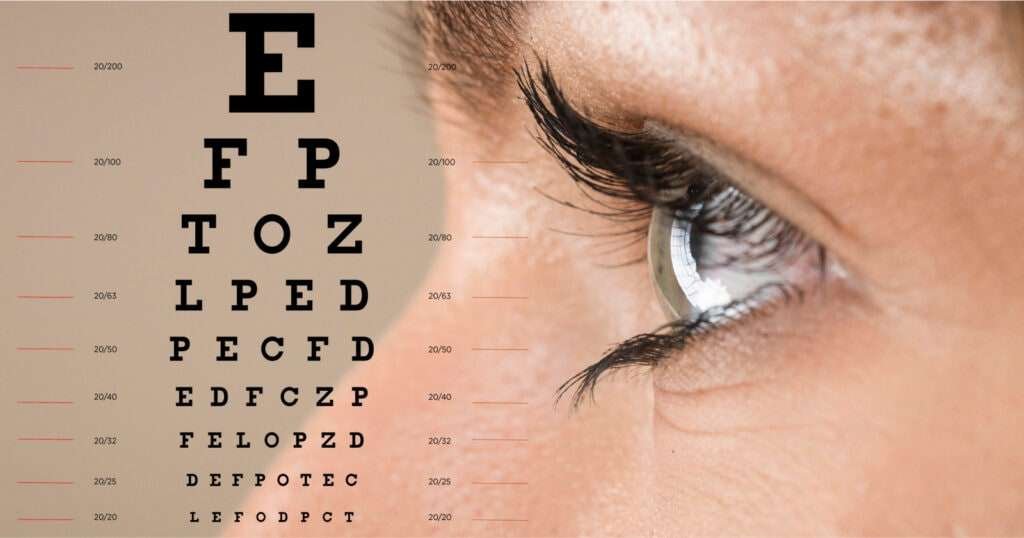
If you want to improve eyesight naturally without glasses, this guide gives practical, evidence-informed lifestyle tips, eye exercises, dietary advice and safety warnings you can use right away. These steps are supportive — they help eye comfort, focus and visual fitness — and you should pair them with professional eye checks when needed.
The problem
Modern life — long screen hours, poor lighting, bad posture, irregular sleep and nutrient-poor diets — contributes to eye strain, blurry vision and worsening focus. Many people want to reduce dependency on glasses for small refractive or functional issues, but they don’t know which natural steps actually help and which are myths.
How natural methods help
Natural approaches aim to:
- Reduce eye strain and improve focusing ability.
- Support eye health with better nutrition and circulation.
- Strengthen visual habits (posture, lighting, screen breaks).
They are most helpful for eye comfort, near-focus fatigue and mild functional vision problems; they do not permanently reverse structural issues like high myopia or advanced cataract. Always get an eye exam for diagnosis.
Practical daily habits to improve eyesight
- 20-20-20 rule: Every 20 minutes, look at an object 20 feet away for 20 seconds to relax the focusing muscles.
- Screen ergonomics: Keep screens at arm’s length, slightly below eye level, and use larger fonts to reduce squinting.
- Proper lighting: Work with diffuse, balanced light — avoid glare and harsh direct light on screens.
- Sleep & rest: Aim for 7–8 hours of sleep; good sleep helps eye recovery and reduces dry-eye symptoms.
- Blink often: Remind yourself to blink while using screens to prevent dryness and surface irritation.
- Posture & neck alignment: A neutral neck reduces unnecessary squinting and strain when reading or working.

Eye exercises that may help focus and comfort
(Do gently — these improve muscle coordination and reduce fatigue.)
- Focus shift: Hold a pen at arm’s length, focus on it, slowly bring it to ~10–15 cm, then move it back. Repeat 8–10 times.
- Near–far switching: Alternate focus between a near object (reading distance) for 10–15 seconds and a distant object for 10–15 seconds. Repeat 10–12 times.
- Palming for relaxation: Rub palms to warm them, gently cup over closed eyes without pressure for 30–60 seconds to relax.
- Eye rolling & tracing: Slow circular eye rolls and tracing an imaginary figure-eight can loosen tense ocular muscles (do not force movement).
Diet & supplements that support eye health
- Eat colourful fruits and vegetables: Spinach, kale, carrots, bell peppers, oranges and berries provide lutein, zeaxanthin, vitamin C and other antioxidants.
- Healthy fats: Omega-3 rich foods (walnuts, flaxseed, fatty fish) support tear film and retinal health.
- Protein & zinc: Eggs, lean meats, legumes and nuts provide zinc which is important for retina function.
- Hydration: Adequate water intake reduces dry eyes.
- Supplements (if needed): Standard eye-support formulas (lutein + zeaxanthin, omega-3) may be helpful — consult an eye specialist before starting supplements.
Lifestyle & protective measures
- Wear protective eyewear for sports, hazardous work or bright sunlight (UV protection).
- Control chronic health issues (diabetes, hypertension) which directly affect eyesight.
- Quit smoking — it increases risk of macular degeneration and cataract.
- Limit alcohol and manage stress — both influence sleep quality and eye comfort.
When natural methods are NOT enough — get checked
If you have sudden vision changes, flashes, floaters, double vision, severe pain, redness, discharge, or progressive loss of sight — seek immediate medical attention. For regular checkups and personalised advice, book a professional evaluation.
Get a consultation: For a personalised plan tailored to your eyes and lifestyle, consider a professional consultation — Get Consultation.
Realistic expectations
These natural methods help reduce eye strain, improve focusing endurance and support eye health, but they cannot reliably reverse structural refractive errors (like high myopia) or replace corrective surgery in all cases. Use them as part of a balanced approach: healthy habits + regular eye exams.
FAQ (short)
Q: Can eye exercises remove the need for glasses?
A: They can reduce strain and improve focusing for some people, but they rarely eliminate the need for prescription lenses for structural refractive errors.
Q: Are supplements safe for everyone?
A: Some are safe, but always check with an eye doctor before starting supplements, especially if you take other medications.
Q: How often should I test my eyes?
A: Adults should have a full eye exam every 1–2 years, or more often if you have symptoms or chronic conditions.
Conclusion & next steps
To improve eyesight without glasses, combine good visual habits, targeted eye exercises, supportive nutrition and regular professional checks. Start today with the 20-20-20 rule, adjust your workstation, and consider a personalised consultation for a tailored plan.
Book a consultation here: https://vedicupchar.com/doctor-consultation
