
-
 admin
admin - Posted on
- Categories:Home Remedies, Vedic Upchar Product
- 0 comments

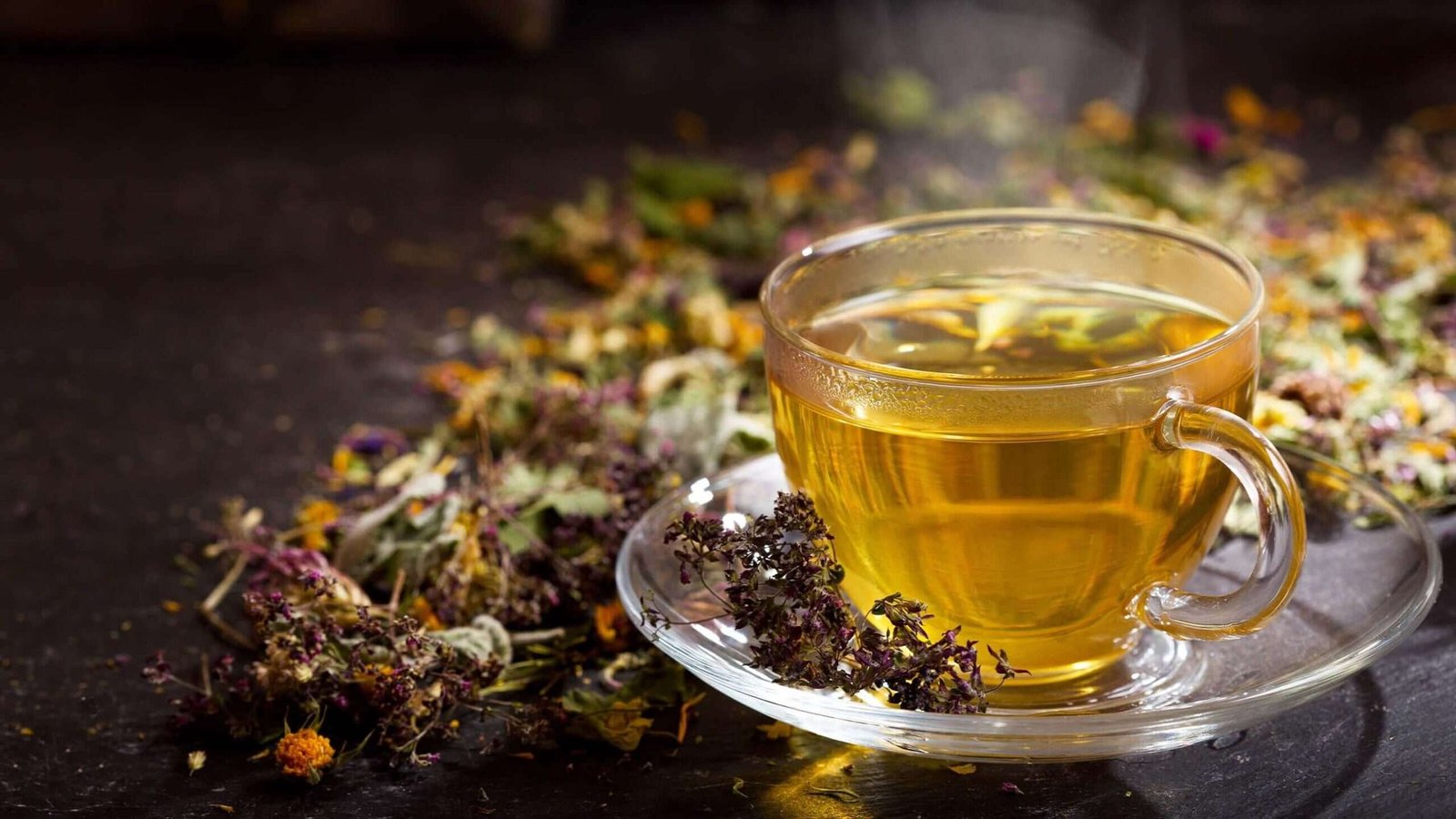
Herbal Teas can soothe the airways, loosen mucus, and support respiratory recovery. In this Yoast-friendly guide you’ll learn why certain teas help, which blends to choose, how to prepare them, and when to seek personalised care. For a medicine-aware plan and tailored herb guidance, get a consultation from Vedic Upchar: https://vedicupchar.com/doctor-consultation. Also, buy Vedic Upchar’s Herbal Teas here: https://vedicupchar.com/product/herbal-teas/
The problem — why respiratory support matters now
Many people experience cough, mild wheeze, congestion or sticky mucus after a cold, seasonal change, or pollution exposure. Consequently, breathing feels heavy and recovery can be slow. Therefore, gentle, supportive measures — like warm herbal teas — help open the airways and calm inflammation. Importantly, these drinks are adjuncts: they support comfort and recovery but do not replace inhalers or antibiotics when those are needed.
Why herbal teas help respiratory health
First, warm liquids hydrate and loosen secretions. Second, many herbs contain mild anti-inflammatory, expectorant and antimicrobial compounds. Third, the act of slow sipping reduces breathlessness and anxiety. Thus, a well-chosen herbal tea reduces symptoms and speeds return to normal breathing — especially when combined with rest and breathing exercises.
Top herbal teas for respiratory health
1. Tulsi (Holy Basil) Tea — calming and respiratory-supportive
Why it helps: Tulsi has traditional use for cough and mild congestion.
How to prepare: Boil 6–8 fresh tulsi leaves in 250 ml water for 5–7 minutes. Strain and sip warm. Add honey if needed (only after it cools).
2. Ginger + Lemon Tea — warming and expectorant
Why it helps: Ginger loosens mucus and reduces irritation; lemon adds vitamin C.
How to prepare: Simmer 1-inch sliced ginger in 300 ml water for 7–10 minutes. Strain, add a squeeze of lemon and warm honey if desired.
3. Licorice (Mulethi) Tea — soothing for throat and airways
Why it helps: Licorice soothes inflamed mucosa and eases cough reflex.
How to prepare: Simmer 1–2 g licorice root in 250–300 ml water for 5 minutes. Strain. Use short courses only and avoid if you have high blood pressure.
4. Peppermint or Menthol-Rich Tea — clears nasal passages
Why it helps: Menthol provides a cooling sensation and helps perceived airflow.
How to prepare: Steep a peppermint tea bag or 1 tbsp fresh leaves in hot water for 5 minutes. Inhale aroma before sipping.
5. Thyme Tea — antimicrobial and expectorant
Why it helps: Thyme supports bronchial secretions and has supportive antimicrobial properties.
How to prepare: Steep 1 tsp dried thyme in 250 ml hot water for 7 minutes. Strain and sip.
6. Licorice + Ginger + Tulsi (Soothing Combo) — gentle daily support
Why it helps: Combined actions soothe, expectorate and calm.
How to prepare: Simmer ½ inch ginger + 2 tulsi leaves + a small licorice piece in 300 ml water for 8 minutes. Strain and sip warm.

How to prepare and use teas safely (practical rules)
- Use warm — not boiling — temperature to avoid airway irritation.
- Sweeten lightly with honey (only after tea cools) and avoid honey for children under 1 year.
- Drink 1–3 cups daily when recovering; reduce to 1 cup for maintenance.
- Start small if you’re trying a new herb — one cup and observe for 24 hours.
- Combine with breathing exercises (diaphragmatic breathing, pursed-lip breathing) for best effect.
When herbal teas help — and when they don’t
Herbal teas are helpful for mild cough, post-viral recovery, seasonal congestion, and as ongoing respiratory support. However, seek medical care immediately if you have high fever, severe breathlessness, chest pain, blue lips, or if symptoms rapidly worsen. Also, herbal teas do not replace prescribed inhalers, antibiotics, or emergency care.
Safety, interactions and special cautions
- Pregnancy & breastfeeding: consult a clinician before using concentrated herbal preparations (licorice, thyme in high amounts).
- High blood pressure: avoid long-term licorice use.
- Blood thinners, thyroid, heart, diabetes medications: some herbs interact — check with a clinician.
- Allergies: stop any tea that causes rash, throat tightness or breathing difficulty.
For medicine-aware checks and personalised herbal choices, book a consultation with Vedic Upchar: https://vedicupchar.com/doctor-consultation.
Daily routine to support respiratory recovery (simple plan)
- Morning: warm lemon-ginger tea (1 cup) to loosen overnight secretions.
- Midday: tulsi or thyme tea after lunch if congestion persists.
- Evening: calming tulsi–licorice blend (small licorice) to soothe throat and aid sleep.
- Night: gentle steam inhalation before bed if congestion is present (avoid very hot steam).
Repeat daily for 7–14 days and reassess. If symptoms persist, consult.
Why choose Vedic Upchar’s Herbal Teas
Vedic Upchar’s Herbal Teas are blended with respiratory-supportive herbs using Ayurvedic principles. Moreover, they are packaged for home use and come with product guidance. Therefore, if you prefer a ready blend, consider Vedic Upchar’s Herbal Teas: https://vedicupchar.com/product/herbal-teas/ — and for personalised guidance on which blend suits you, get a consultation: https://vedicupchar.com/doctor-consultation.
Conclusion — breathe easier with small, steady steps
In short, Herbal Teas are a gentle, low-risk way to support respiratory health. They hydrate, soothe and provide mild anti-inflammatory and expectorant benefits. However, they are adjuncts — not replacements for prescribed treatments. For a personalised, medicine-aware plan (including which herbs suit your medicines and dosha), book a consultation with Vedic Upchar: https://vedicupchar.com/doctor-consultation.
