
-
 admin
admin - Posted on
- Categories:Home Remedies
- 0 comments

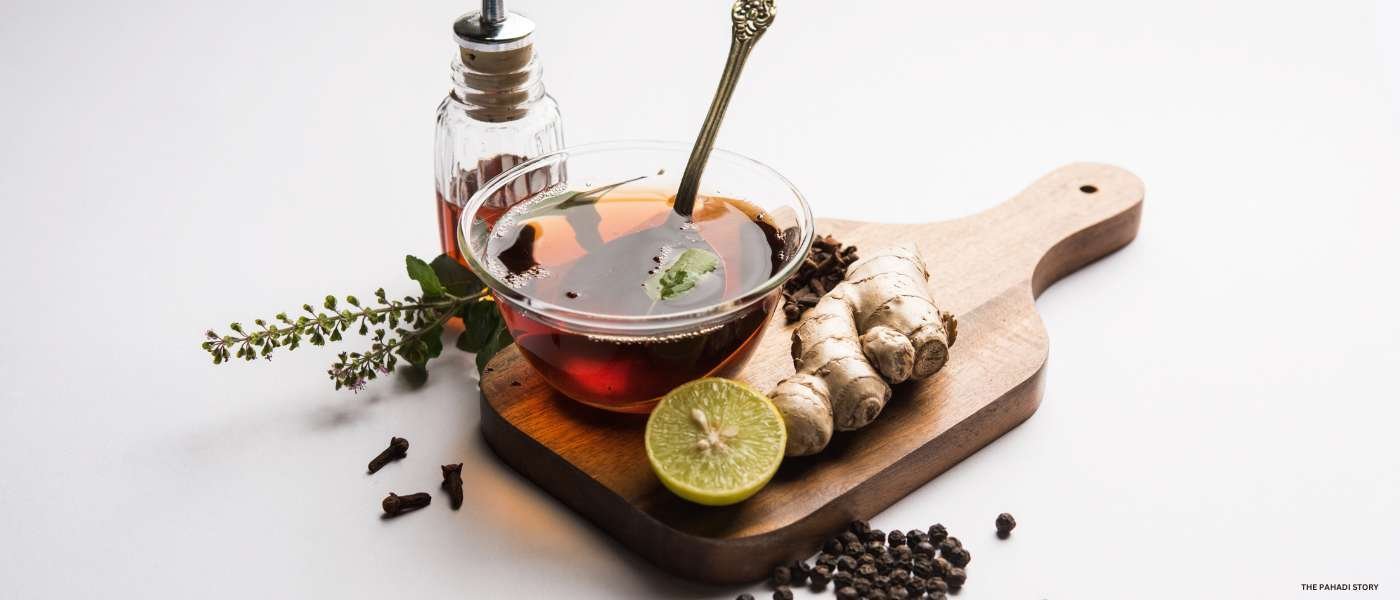
If you want easy, effective Kadha Recipes to support immunity, this Ayurveda-friendly guide will help. First, you’ll learn why kadhas work. Then, you’ll get several step-by-step recipes, timing and safety tips. Finally, you’ll find when to seek personalised advice. For a tailor-made plan that fits your health and medicines, get a consultation from Vedic Upchar: https://vedicupchar.com/doctor-consultation.
The problem — why we need simple immunity support
Many people feel run-down when seasons change. Consequently, immunity drops and minor infections become common. Therefore, daily, gentle support matters more than one-off “boosts.” Kadhas deliver warming herbs and antioxidants. As a result, they soothe the throat, support digestion and help your body resist seasonal bugs.
Why kadha works — quick Ayurvedic logic
Kadha is a herbal decoction made by simmering spices and herbs. First, heat extracts active compounds. Next, cooling slightly makes it easy to drink. In Ayurveda, kadha supports Agni (digestive fire) and reduces ama (toxins). In short, kadha is a practical, low-risk way to lift resilience.
Core ingredients to keep at home
- Ginger (adrak) — warms digestion and eases congestion.
- Turmeric (haldi) — anti-inflammatory when combined with black pepper.
- Tulsi (holy basil) — respiratory and immune support.
- Black pepper (kalimirch) — improves turmeric absorption.
- Cinnamon (dalchini) — gentle warming and antimicrobial.
- Cloves (laung) — antiseptic and comforting.
- Long pepper / pippali (optional) — for deep respiratory support.
Keep these, and you can mix simple kadhas quickly.
How to make a basic kadha — the master method
- Add 3 cups water to a saucepan.
- Add 1–2 slices fresh ginger, ¼ tsp turmeric (or ½ tsp fresh grated), 1 small stick cinnamon, 2–3 crushed black peppercorns, 2–3 tulsi leaves and 1–2 cloves.
- Bring to a boil, then simmer for 8–12 minutes until water reduces by about one-third.
- Strain. Sweeten lightly with honey (only after cooling to warm).
- Drink 1 cup warm, once or twice daily.
This method is the base — customise with the recipes below.
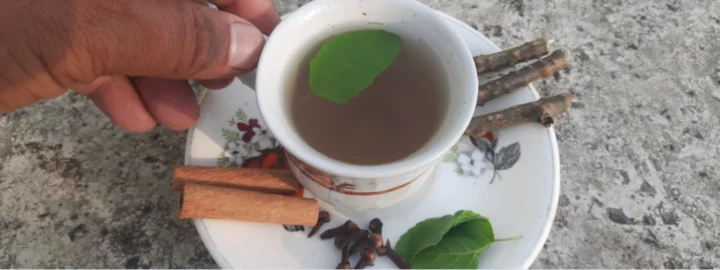
1) Classic Immunity Kadha (everyday use)
Ingredients: fresh ginger (1-inch), 6–8 tulsi leaves, 1 cinnamon stick, 3 black peppercorns, 1 tsp turmeric powder, 3 cups water.
Method: follow master method. Drink warm in the morning or evening.
Why: balances digestion and provides gentle antiviral support.
2) Cold & Congestion Kadha (extra expectorant)
Ingredients: ginger (1.5-inch), 3 tulsi leaves, 2 crushed black peppercorns, ½ tsp crushed long pepper (pippali) or a pinch of black pepper, 1 tsp crushed licorice (mulethi) — optional.
Method: simmer 10–12 minutes. Strain and sip slowly.
Why: loosens mucus and soothes sore throat.
3) Turmeric–Honey Daily Kadha (anti-inflammatory)
Ingredients: 1 tsp turmeric powder or 1-inch fresh turmeric, 1 pinch black pepper, 2 cups water, 1 tsp raw honey (after warm).
Method: simmer 7–8 minutes, cool to warm, add honey.
Why: supports systemic inflammation control and recovery.
4) Tulsi–Cinnamon Evening Kadha (calm + immunity)
Ingredients: 6–8 tulsi leaves, 1 small cinnamon stick, 2 cloves, 2 cups water, a small slice ginger.
Method: simmer 8–10 minutes, strain and sip 30–45 minutes before bed.
Why: calms the nervous system and supports night-time repair.
5) Kid-Friendly Mild Kadha (gentle & palatable)
Ingredients: 1 small piece ginger, 1–2 tulsi leaves, 1 small cinnamon stick, 2 cups water, 1 tsp jaggery or small honey (age >1).
Method: simmer 6–8 minutes, strain and serve warm.
Why: milder taste, good for children (avoid honey under 1 year).
How often and when to take kadha
- Daily maintenance: 1 cup warm kadha once per day (morning or evening).
- During sickness or exposure: 1 cup twice daily until symptoms ease.
- Before sleep: choose calming kadhas (tulsi–cinnamon) to aid recovery.
Moreover, avoid kadha on an empty stomach if you have strong acidity; instead, have a light snack first.
Dosha & personalization tips
- Vata: prefer warming kadhas with a little jaggery and ginger.
- Pitta: avoid excess black pepper and reduce cinnamon; prefer tulsi and cooling coriander in small amounts.
- Kapha: use stronger warming spices (black pepper, long pepper) and take kadha warm to reduce mucus.
If you are unsure about your dosha, get a consultation from Vedic Upchar to personalise doses: https://vedicupchar.com/doctor-consultation.
Safety, interactions & cautions
- Pregnancy & breastfeeding: consult before using medicated kadhas, especially those containing licorice, long pepper or large doses of turmeric.
- Medications: check with a clinician if you take blood thinners (turmeric), diabetes drugs (fenugreek/long pepper), or thyroid medicines — herbs can interact.
- Children: use milder kadhas and avoid honey under 1 year.
- Allergies: patch-test if you are uncertain about any herb.
When in doubt, seek a medicine-aware plan via Vedic Upchar: https://vedicupchar.com/doctor-consultation.
Practical tips to boost kadha benefits
- Use fresh ingredients when possible.
- Add a pinch of black pepper to improve turmeric absorption.
- Do not boil away all water — a concentrated decoction is most effective.
- Avoid excess sugar; small jaggery or honey is okay when warm.
- Combine kadha with rest, sleep and light, cooked food for best results.
Quick 7-day kadha plan (starter)
- Day 1–2: Classic Immunity Kadha — 1 cup evening.
- Day 3–4: Turmeric–Honey Kadha — 1 cup morning.
- Day 5: Cold & Congestion Kadha (if needed) — 1 cup.
- Day 6: Tulsi–Cinnamon Kadha — 1 cup before bed.
- Day 7: Kid-friendly mild kadha or skip to rest the palate.
Adjust according to symptoms and tolerance.
When to consult a practitioner
If you have chronic disease, take regular medicines, have persistent cough/fever, or need pregnancy-safe formulations — get personalised guidance. For a medicine-aware, dosha-specific kadha plan and herb/medicine safety checks, book a consultation with Vedic Upchar: https://vedicupchar.com/doctor-consultation.
