
-
 admin
admin - Posted on
- Categories:Home Remedies
- 0 comments

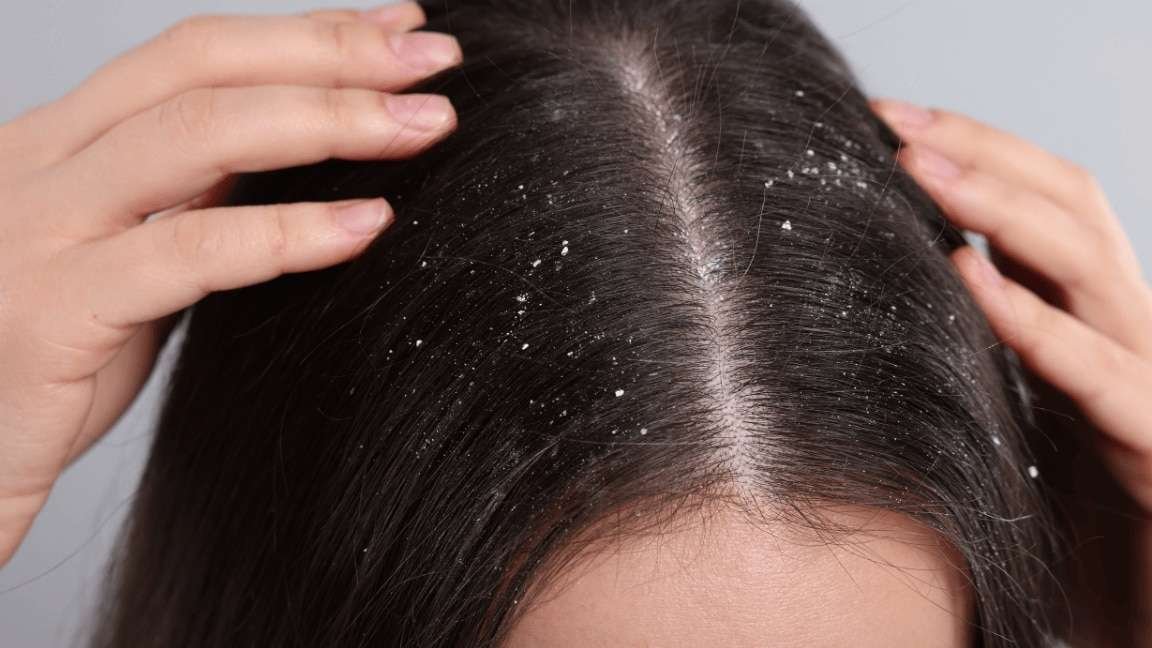
If you want to treat dandruff naturally, Ayurveda gives safe, effective home steps that calm the scalp, reduce flaking and stop recurrence. This Yoast-friendly guide explains the problem, simple daily rituals, Ayurvedic herbs and recipes, diet and lifestyle changes, when to seek help — and how this ties to overall wellbeing (if you also suffer from body pain, see the safety notes). For personalised, medicine-aware advice, get a consultation from Vedic Upchar: https://vedicupchar.com/doctor-consultation
The problem
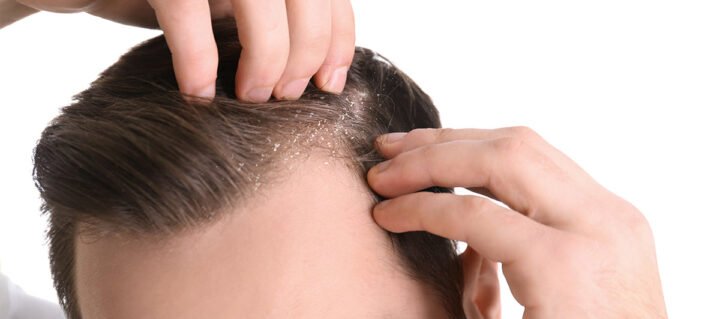
Dandruff (seborrheic dermatitis / dry-flake scalp) shows as white flakes, itch, and sometimes redness. The deeper issues are scalp imbalance — excess oil + yeast overgrowth, dry scalp, poor digestion (ama), stress and using harsh shampoos. In Ayurveda dandruff often reflects aggravated Pitta (inflammation) or Kapha (oiliness & stagnation) and weak Agni (digestion). Treating only the flakes won’t last — you must calm the scalp, improve digestion and restore circulation.
Quick principles (what really helps)
- Clean but don’t strip: gentle cleansing to remove oil & flakes.
- Calm inflammation: cooling, anti-microbial herbs (neem, tulsi).
- Restore barrier: nourishing oiling and mild conditioning.
- Fix digestion & stress: diet, herbs and routine to reduce ama.
- Consistency: follow a routine for 4–8 weeks to break the cycle.
Easy Ayurvedic hair-wash routine for dandruff
- Pre-wash oil massage (Abhyanga): warm 1–2 tbsp coconut, sesame or medicated oil (neem or bhringraj oil if available). Massage gently for 5–10 minutes into the scalp. Leave 30–60 minutes (overnight if dry scalp). Oiling soothes itch and loosens scales.
- Gentle cleanse: use a mild, sulphate-free shampoo or a herbal wash (reetha or shikakai). Rinse thoroughly with lukewarm water. Avoid very hot water — it increases irritation.
- Herbal rinse: finish with a cooled decoction of neem, amla or hibiscus (strain and pour over scalp). These herbs are anti-microbial and soothing.
- Dry & protect: pat dry; avoid vigorous rubbing. Use a light leave-on herbal serum or 1–2 drops of oil on the scalp if very dry.
Top Ayurvedic herbs & how to use them at home
- Neem (Azadirachta indica): anti-fungal, anti-inflammatory. Make a decoction: simmer 1–2 tsp dried neem leaves in 2 cups water for 5–8 min. Cool and use as final rinse. For oiling, use neem oil diluted with a carrier.
- Fenugreek (Methi): soothes itch and reduces dandruff. Soak 2 tbsp seeds overnight, grind into a paste, apply to scalp 20–30 min, then wash. Repeat weekly.
- Amla (Indian gooseberry): supports scalp health and reduces oiliness. Use amla decoction as rinse or mix amla powder with water for a mask.
- Bhringraj & Hibiscus: strengthen hair and help scalp balance. Use powdered bhringraj in oil or hibiscus-decoction rinse.
- Turmeric + Aloe vera: for inflamed or red scalp, mix aloe vera gel with a pinch of turmeric, apply briefly and rinse (patch test first).
- Tulsi (Holy basil) & Tea tree (if available): tulsi decoction as rinse; tea tree (external-only) is an effective anti-dandruff oil—use diluted.
Simple at-home recipes (safe & easy)
- Fenugreek paste: soaked fenugreek seeds → grind → apply to scalp 20–30 min → wash. (Use once weekly.)
- Neem-amla rinse: boil 1 tbsp neem + 1 tbsp amla powder in 500 ml water → cool → strain → use after shampoo. (Use 2–3× weekly.)
- Cooling aloe mask: 2 tbsp aloe vera gel + pinch turmeric → apply to irritated patches 10–15 min → rinse. (Use as needed, avoid if allergic.)
Diet & lifestyle to stop dandruff returning
- Reduce fried, heavy and very sugary foods — these increase ama and oil imbalance.
- Eat cooling, Pitta-balancing foods if your scalp is inflamed: cucumber, coconut, fresh greens, coriander.
- Include digestive spices in small amounts (cumin, coriander, ginger) to improve Agni.
- Stay hydrated and avoid excess alcohol.
- Manage stress: daily 5–10 minutes breathwork or short meditations reduce flare-ups.
- Sleep & routine: regular sleep supports skin and scalp repair.
When dandruff may need medical / specialist care
Seek a doctor if you have: severe redness, oozing, large scaly patches, hair loss, persistent severe itching, or if you notice systemic symptoms (fever, swollen glands). These can be signs of scalp infection or psoriasis and need prescription treatment. If you also have chronic body pain, fatigue or other systemic problems, inform the practitioner — you may need coordinated medical + Ayurvedic care. For a personalised plan that checks medicines and tests, get a consultation from Vedic Upchar: https://vedicupchar.com/doctor-consultation
A simple 4-week plan to reduce dandruff naturally
- Week 1: Oil massage 2× weekly (fenugreek or coconut), mild shampoo 2×, neem rinse after each wash. Improve diet (reduce sugar).
- Week 2: Continue oiling; start 5 minutes daily scalp massage; add probiotic-rich foods (curd, buttermilk) if tolerated.
- Week 3: Use fenugreek paste once; monitor flakes and itching. Add 5–10 min evening relaxation practice.
- Week 4: Reassess. If improved — maintain routine; if not — consult for medicated oils, topical prescription or tests.
Safety & precautions
- Patch-test new herbal pastes or oils behind the ear before full scalp use.
- Avoid oral herbal self-medication for severe scalp disease without practitioner supervision.
- If you are on blood thinners, immunosuppressants, or have pregnancy — check before using concentrated herbal extracts externally or internally.
- If dandruff coexists with hair fall, scalp pain or persistent infections, seek professional evaluation.
