
-
 admin
admin - Posted on
- Categories:Home Remedies
- 0 comments

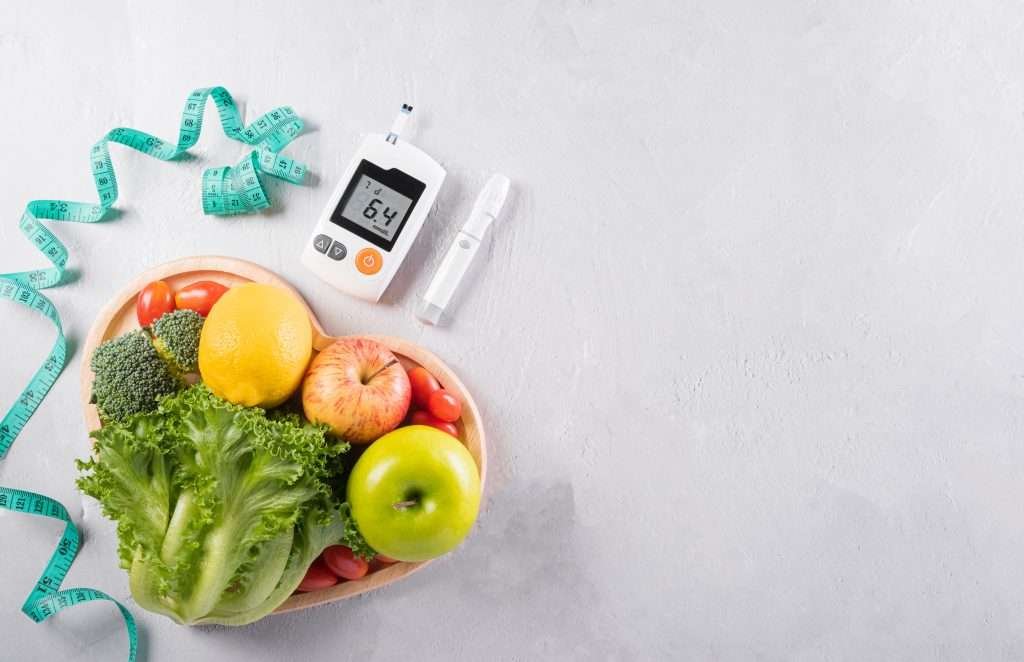
If you want a safe, sustainable Diet for Diabetes Control, Ayurveda offers food, timing and lifestyle rules that support blood-sugar balance alongside medical treatment. This Yoast-friendly guide explains the problem, gives clear meal and spice choices, a 7-day starter plan, herbs & supplements to discuss with your practitioner, monitoring tips and safety advice. For personalised, medicine-aware guidance, get a consultation from Vedic Upchar: https://vedicupchar.com/doctor-consultation
The problem
Diabetes often appears without obvious early symptoms but causes long-term harm when blood sugar stays high. The deeper issue — from an Ayurvedic view — is weak Agni (digestive fire), accumulation of ama (metabolic toxins), and Kapha imbalance (heaviness, sluggish metabolism). Modern drivers include refined carbohydrates, irregular meals, excess weight and low movement. A targeted Diet for Diabetes Control strengthens digestion, reduces sugar swings and supports metabolic resilience.
Core principles of an Ayurvedic Diet for Diabetes Control
- Eat warm, cooked meals more often than cold/raw foods if digestion is weak.
- Make lunch the main meal — Agni is strongest at midday.
- Prefer low-glycemic, whole foods that release glucose slowly.
- Use digestive and metabolism-supporting spices (ginger, cumin, turmeric, fenugreek).
- Keep consistent meal times to stabilise insulin and hunger hormones.
- Prioritise fibre, protein and healthy fats at every meal to blunt glucose spikes.
Foods to include (daily staples)
- Whole grains in moderation: bajra, jowar, barley (jau), broken wheat (dalia), brown rice in small portions.
- Legumes & pulses: moong dal, masoor dal, tur dal, chana — soak and cook well.
- Non-starchy vegetables: spinach, methi, lauki, bottle gourd, bhindi, cauliflower, broccoli.
- Fruits (controlled portions): apple, guava, berries, oranges — prefer whole fruit, not juice.
- Nuts & seeds: almonds, walnuts, flaxseeds, chia (small handful) — great for fats and fibre.
- Healthy oils: small amounts of ghee, cold-pressed mustard, or sesame oil.
- Protein: paneer/tofu, eggs, fish or lean meat (if non-vegetarian).
- Fermented foods: homemade curd or probiotic yogurt in moderation.

Foods to limit or avoid
- Refined carbs & sugar: sweets, sugary drinks, white bread, maida products.
- High-GI foods in large portions: white rice, potatoes (limit quantity).
- Deep-fried snacks and processed foods.
- Excess fruit juices and dried fruits — they concentrate sugar.
- Late heavy dinners that impair overnight blood-sugar control.
Spices & herbs that support a Diet for Diabetes Control
Use these in cooking or as simple teas:
- Fenugreek (methi) seeds: soak overnight and use water/seeds; helps reduce post-meal spikes.
- Cinnamon (dalchini): add to porridge or tea — supports glucose metabolism.
- Ginger (adrak): fresh ginger tea before meals can support digestion.
- Turmeric (haldi) with black pepper: anti-inflammatory and metabolic support.
- Bitter gourd (karela): include as a vegetable or juice in small, supervised amounts.
- Amla (Indian gooseberry): rich in vitamin C and supportive as part of diet/routine.
Discuss doses and forms with a practitioner — herbs can interact with medicines.
Meal template — simple, repeatable (use for each main meal)
- 1 small portion complex carbohydrate (small bowl of bajra/jowar/dalia or ⅓ cup brown rice)
- 1 bowl cooked vegetables (non-starchy)
- 1 serving protein (dal/eggs/paneer/tofu/fish)
- 1 teaspoon healthy fat (ghee/olive/mustard)
- Salad or raw veg in small amounts if digestion is good
- Use spices (cumin, coriander, turmeric, ginger) generously
Snack: handful of nuts, roasted chana, or a small fruit with yoghurt.
Meal timing & portion control (Ayurvedic routine)
- Breakfast: within 1 hour of waking; keep moderate — oats with nuts & cinnamon or moong dal cheela.
- Lunch: main meal (largest) between 12–2 pm.
- Evening snack: light (nuts or roasted chana) around 4–5 pm.
- Dinner: light, cooked, finished at least 2–3 hours before bed.
- Avoid long fasting binges that cause overeating later — consistency matters.
Movement & lifestyle to amplify diet effects
- Walk 10–20 minutes after meals to improve insulin sensitivity.
- Aim for 150 minutes/week of moderate exercise plus 2 strength sessions.
- Manage stress with 5–10 minutes pranayama or meditation daily to prevent cortisol-driven glucose rises.
- Sleep 7–8 hours and maintain regular sleep times.
Herbs & supplements to discuss with your practitioner
(Do not self-prescribe if you’re on diabetes medicines.)
- Triphala — supports digestion and gentle detox.
- Fenugreek extract or seeds — helps post-meal glucose.
- Bitter gourd formulations — useful but monitor blood sugar closely.
- Gymnema (gurmar) — used traditionally to reduce sugar cravings; use only with supervision.
- Caution: herbal extracts can potentiate glucose-lowering drugs and cause hypoglycaemia. Always consult before adding.
Monitoring & safety — crucial steps
- Check blood sugar as advised by your clinician. Record fasting and post-prandial readings to see diet effects.
- Do not stop or adjust prescribed medicines without medical direction. Lifestyle measures can reduce dose needs over time but only under supervision.
- Watch for hypoglycaemia if you add strong herbs or start vigorous exercise — learn symptoms and have quick carbs ready.
- Regular tests: HbA1c, lipid profile, kidney function and eye checks as recommended.
7-Day starter plan: a realistic way to begin
- Day 1: Swap white bread/maida for bajra/dalia at breakfast; add cinnamon.
- Day 2: Add a 15-minute walk after lunch; include one vegetable serving extra.
- Day 3: Start soaked methi seeds (1 tsp) in water in morning; observe.
- Day 4: Try a kitchari-style lunch (mung dal + brown rice + cumin) for easy digestion.
- Day 5: Reduce added sugar fully; choose a small fruit if hungry.
- Day 6: Add 5 minutes morning pranayama and 5 minutes evening breathing.
- Day 7: Review readings, hunger, energy. If you want guidance to refine medicines/herbs — get a consultation from Vedic Upchar: https://vedicupchar.com/doctor-consultation
When to seek personalised help
If you have: hypoglycaemic episodes, very high blood sugars, advanced complications (kidney, eye, heart), pregnancy (gestational diabetes) or multiple medicines — get professional care. For a tailored Diet for Diabetes Control that coordinates meals, herbs and medicines safely, get a consultation from Vedic Upchar:
👉 https://vedicupchar.com/doctor-consultation
Final notes
A sustainable Diet for Diabetes Control is not a one-day miracle. It’s about consistent meal timing, whole foods, portion control, supportive spices, movement and monitoring. Small changes repeated daily reduce HbA1c and improve energy over weeks to months.
