
-
 admin
admin - Posted on
- Categories:Problem
- 0 comments


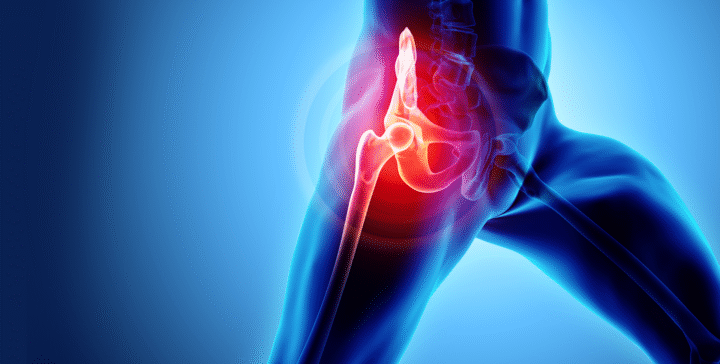
Avascular Necrosis (AVN), also known as osteonecrosis, is a serious bone condition that occurs when blood supply to the bone is reduced or cut off. This lack of blood flow leads to the death of bone tissue, causing pain, stiffness, and long-term damage if ignored. Many people mistake early symptoms for simple joint pain, but ignoring the signs of AVN can worsen the condition.
In this blog, we will cover the 10 signs of AVN you should not ignore, along with related information that will help you identify the problem at an early stage.
List Of 10 Signs of AVN
1. Persistent Joint Pain
The most common sign of AVN is constant pain in joints, especially in the hip, knee, or shoulder. Unlike normal muscle pain, this discomfort doesn’t go away easily and often worsens with time.
2. Pain While Walking or Standing
If you feel pain while putting weight on your legs, especially in the hips or knees, it could be an early symptom of AVN. Many people confuse it with arthritis, but AVN requires different attention.
3. Stiffness in Joints
Another major sign of AVN is stiffness or limited movement in affected joints. This makes daily tasks like bending, walking, or even sitting difficult.
4. Swelling Around Joints
Swelling and tenderness near the hip, knee, or shoulder area may indicate AVN. This occurs because of the lack of blood supply and gradual tissue damage.
5. Limping While Walking
If you notice a limp due to continuous hip or leg pain, it could be a warning sign. Limping is often one of the noticeable symptoms of AVN in the hip.
6. Pain at Rest or Night Pain
In later stages, people with AVN experience pain even when resting or sleeping. Night pain is a serious sign of AVN progression that should not be ignored.
7. Difficulty in Hip Rotation
If you face trouble rotating your hip joint or feel restricted movement while stretching, it can be one of the hidden signs of AVN.
8. Weakness in Legs
As the condition progresses, muscles around the hip or knee joint may weaken. This leads to instability and frequent discomfort while standing or climbing stairs.
9. Clicking or Grinding Sensation in Joints
A clicking or grinding sound in joints while moving is another AVN symptom. This usually happens because the bone surface starts getting damaged.
10. Increased Risk of Fractures
One of the most severe signs of AVN is brittle bones that break easily. Since the bone structure becomes weak, even minor injuries can cause fractures.
Why Early Detection of AVN is Important?
Identifying the signs of AVN at an early stage can prevent severe complications. If untreated, AVN can lead to arthritis, joint collapse, and permanent disability. Getting proper diagnosis, MRI scans, and Ayurvedic consultation at the right time is crucial.
Ayurvedic Help for AVN
Ayurveda focuses on improving blood circulation, strengthening bones, and reducing joint pain naturally. If you notice any of the above signs of AVN, consult with Vedic Upchar experts for Ayurvedic treatment. Their herbal formulations and therapies can help slow down the progression of AVN and provide relief from pain without side effects.
👉 Get Ayurvedic Consultation from Vedic Upchar for Avascular Necrosis today.
